Can you rebuild collagen naturally? It's one of the most common skincare questions, and one of the most oversold. Collagen is the protein that keeps skin firm and plump, and shop shelves are full of serums promising to restore it. The honest answer is more nuanced: some ingredients may help support collagen and protect what you already have, but none will rebuild it dramatically. This guide covers following groups of ingredients: Peptides (copper peptides and Matrixyl), Polyphenols (EGCG & resveratrol), and Growth Factors. We explain what the research does and doesn't show, then look at what to use in your 30s, 40s and 50s, and what "naturally" really means.
-
 Continue Read »
 -
 Continue Read »
Few things are more frustrating than growing your hair out, only to watch it snap off just short of the length you've been chasing. If your ends look thin, choppy, or stuck at the same length no matter what you do, hair breakage - not hair loss - is likely the culprit. It's one of the most common complaints in hair care, yet it's widely misunderstood, often mistreated with the wrong products, and quietly made worse by everyday habits. This guide breaks down what actually causes hair breakage, how to recognise the early warning signs, and exactly what you can do to stop your strands from snapping for good.
-
 Continue Read »
The ocean has been nurturing life for billions of years, yet only recently have we begun to fully appreciate the extraordinary gifts it offers our skin, hair, and overall wellbeing. From the nutrient-dense waters of the Atlantic to the pristine coastlines of Scotland and Ireland, seaweed has emerged as one of the most versatile and sustainable ingredients in modern health and beauty. In this comprehensive guide, we'll explore the science-backed benefits of seaweed, covering everything from internal wellness to topical beauty, and reveal why this oceanic superfood deserves a permanent place in your routine.
-
 Continue Read »
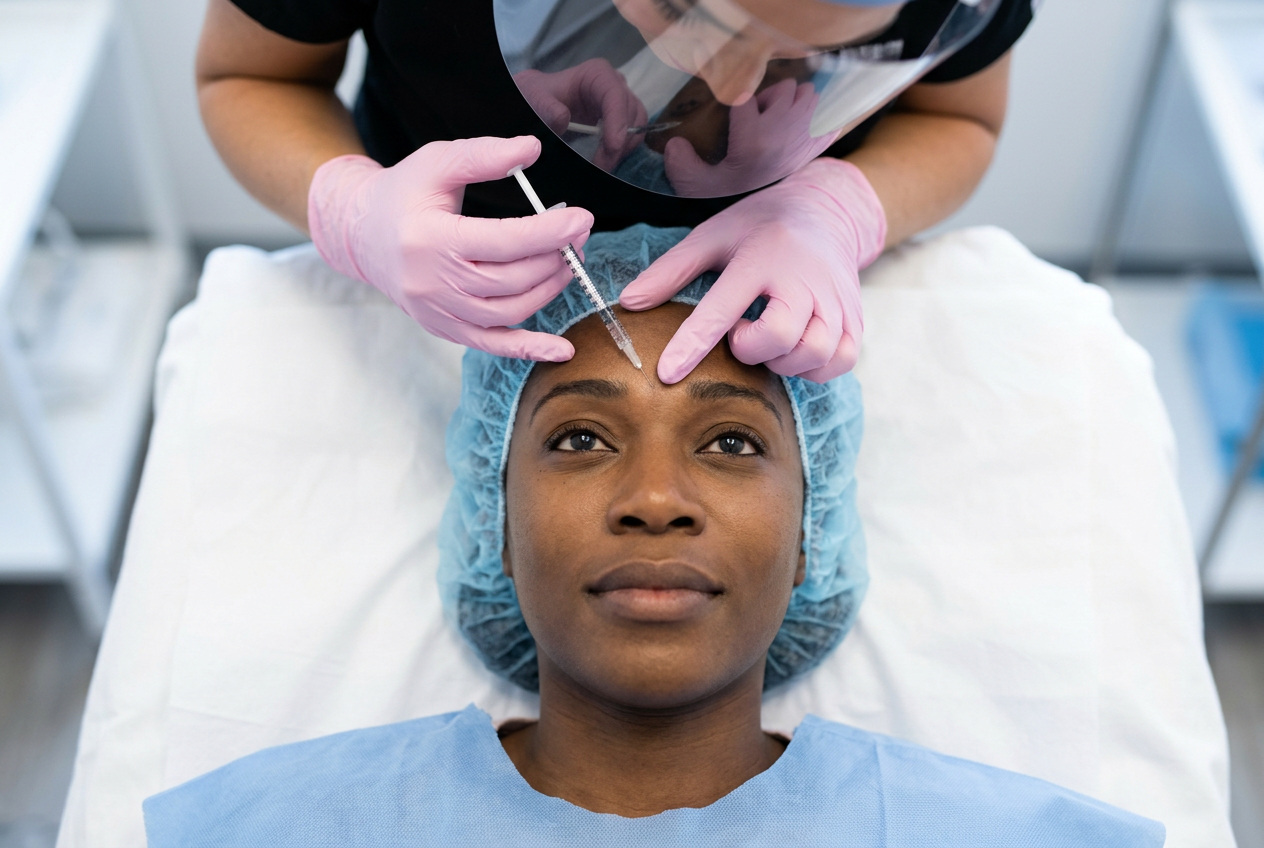
You've booked the appointment, sat through the treatment, and maybe winced through a needle or two. Now you're staring at a printed aftercare sheet, scrolling through conflicting advice online, and wondering whether you're supposed to wash your face tonight or leave it well alone. Sound familiar? Post-procedure skincare is where so many people lose the plot, not because the advice is complicated, but because it's inconsistent. This guide sets out the essential do's and don'ts for three of the most common aesthetic treatments—Botox, chemical peels, and microneedling—covering immediate aftercare, the products worth reaching for, the role of sun protection, and the timelines each treatment demands. There is no need to fear the strangeness of this in-between period; it simply requires attention, and a willingness to let the body do what it was designed to do.
-
 Continue Read »
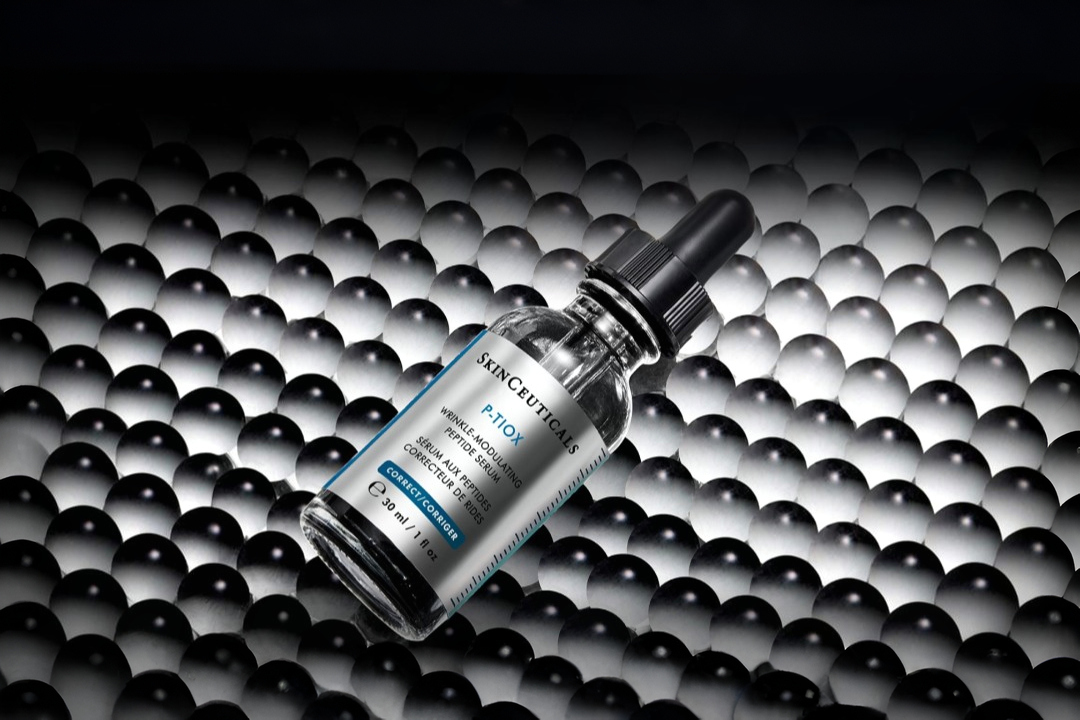
When SkinCeuticals launches a new serum, the skincare world pays attention. Known for their science-backed, dermatologist-approved formulations, the brand has built a reputation on results rather than hype. Their latest release, P-TIOX, is no exception—and it's already generating serious buzz. But what exactly is it? A peptide serum that claims to reduce the appearance of nine types of wrinkles. Inspired by the effects of anti-wrinkle injections but formulated as a topical, non-invasive treatment, P-TIOX positions itself in an interesting space: it's not a replacement for injectables, but a complementary product designed to target expression lines that even neurotoxins can struggle with. So, does it deliver on its promises? Let's dive into the science, the ingredients, and the real-world results.
-
 Continue Read »
The scalp is often described as the 'soil' from which healthy hair grows, yet it remains one of the most overlooked areas of skin in daily grooming routines. Have you ever noticed flakes on dark clothing, persistent itching, or uncomfortable tightness after washing your hair? The scalp is skin – and like the skin on the face and body, it requires regular attention, appropriate products, and a balanced environment to function optimally. This guide provides a clear, evidence-informed overview of common scalp conditions, their underlying causes, and practical, actionable steps to restore and maintain a healthy scalp.
-
 Continue Read »
Have you ever spent time carefully applying your skincare routine, only to discover tiny greyish balls rolling off your face the moment you reach for your moisturiser or foundation? It's one of the most frustrating skincare experiences. Not only does it ruin the smooth finish you've been working towards, but it can also feel like your favourite products – often expensive ones – have gone to waste. This frustrating phenomenon is known as skincare pilling, and it's far more common than many people realise. The good news is that skincare pilling is usually easy to prevent once you understand why it happens. In this guide, we'll explain the science behind pilling, explore the most common causes, and show you exactly how to build a skincare routine that layers beautifully every time.
-
 Continue Read »
Finding the perfect hair treatment can feel like a never-ending search. One product promises intense hydration, another claims to repair damage overnight, while a third guarantees glossy, salon-worthy shine. Yet despite investing in countless treatments, many people still struggle with dry curls, fading colour or fine hair that becomes flat after conditioning. In this guide, we'll explore how to choose the right ingredients for your hair's unique needs, explain the difference between moisture and protein treatments, and walk through the best application techniques for maximum results. Whether you're searching for the best hair mask for curly hair, the best deep conditioner for coloured hair, or an effective fine hair treatment mask, you'll learn how to build a routine that leaves your hair healthier, shinier and easier to manage.
-
 Continue Read »
Pregnancy is one of life's most remarkable journeys. As your baby grows, your body transforms in extraordinary ways, many of which can feel exciting, empowering, and occasionally overwhelming. Among the countless changes expectant mothers experience, one concern often rises to the top of the list: stretch marks. The truth is that stretch marks are incredibly common during pregnancy, affecting many women to varying degrees. In this comprehensive guide, you'll discover why stretch marks form, which ingredients are safe and effective during pregnancy, how to build a daily skincare routine, the role of nutrition and hydration, and what to do after birth to support your skin's recovery.
-
 Continue Read »
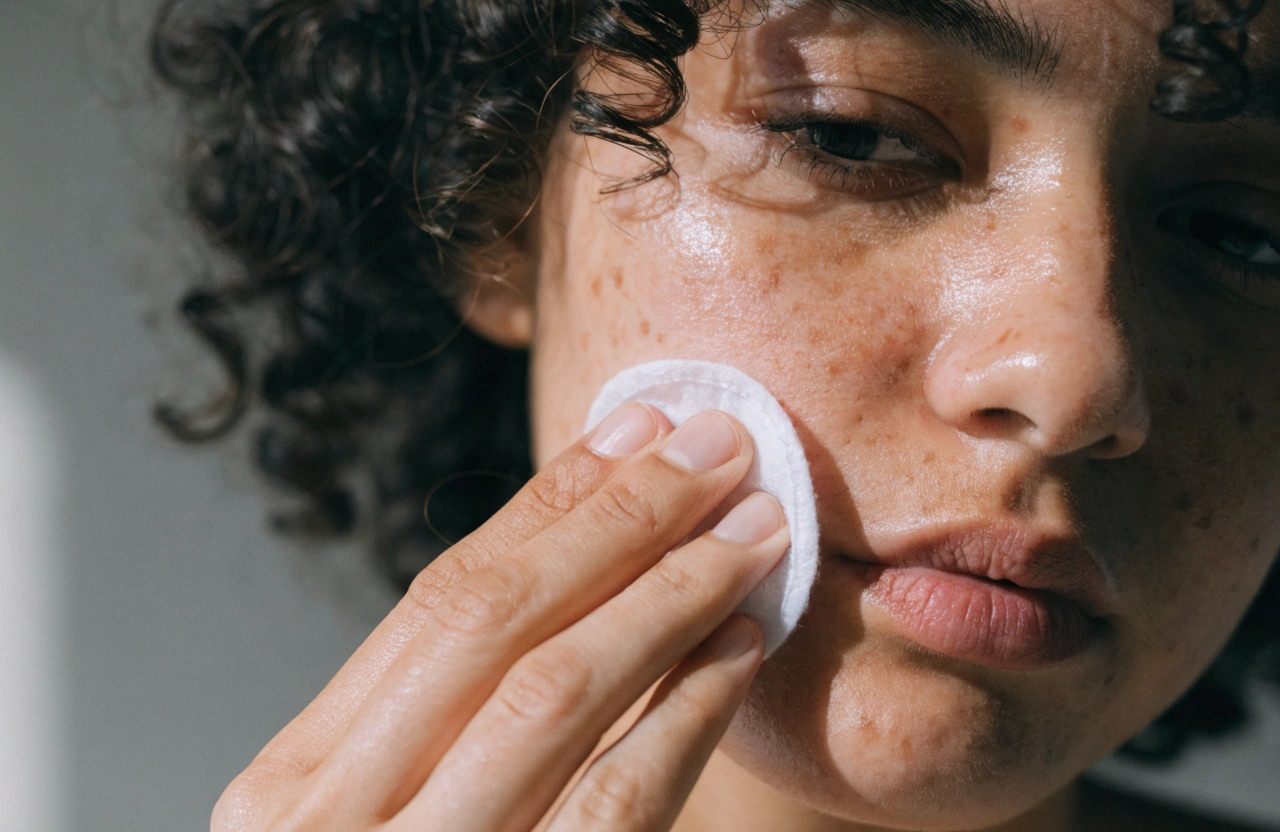
You have finally cleared an active breakout, only to look in the mirror and find that the blemish has been replaced by a lingering red, brown, or purple mark that refuses to fade. This is an exceedingly common frustration, and it leads many individuals to reach for aggressive treatments that promise rapid results. Post-breakout marks are not permanent scars, but they require a targeted, barrier-friendly approach to resolve efficiently. This guide provides an evidence-based, step-by-step routine for fading stubborn acne marks without causing additional irritation, allowing you to achieve smoother, clearer-looking skin while maintaining a healthy, resilient barrier.