


Few things are more frustrating than growing your hair out, only to watch it snap off just short of the length you've been chasing. If your ends look thin, choppy, or stuck at the same length no matter what you do, hair breakage - not hair loss - is likely the culprit. It's one of the most common complaints in hair care, yet it's widely misunderstood, often mistreated with the wrong products, and quietly made worse by everyday habits. This guide breaks down what actually causes hair breakage, how to recognise the early warning signs, and exactly what you can do to stop your strands from snapping for good.
What Is Hair Breakage? Understanding Snapped Strands vs. Hair Loss
Hair breakage happens when the hair shaft snaps somewhere along its length-mid-shaft or near the tips - rather than falling out from the root. The result is frayed, uneven hair strands, split ends, and sections that seem to stop growing. Hair breakage can happen at various points along the strand, which is why damaged hair often looks choppy or thin at the ends even when the roots appear full.
Why Breakage Happens During Brushing, Washing, and Styling
A healthy hair shaft has two critical layers: the hair cuticle (an outer shield of overlapping scale-like cells) and the cortex (the structural core packed with keratin proteins and disulfide bonds that give hair its strength). When the cuticle erodes - from heat, chemicals, friction, or environmental exposure - the cortex underneath is left vulnerable. Once those internal bonds degrade, the strand loses tensile strength and elasticity, making it far more likely to snap under everyday stress.
Breakage commonly shows up during routine actions like brushing, washing, towel-drying, and heat styling, especially when hair is already dry or compromised. It can coexist with hair loss from the root, but they are fundamentally different issues. Hair loss involves fewer hair follicles actively producing strands, while breakage is fibre damage along the shaft - your follicles are usually still capable of growing healthy hair if you address the damage.
Hair Breakage Signs and Symptoms: What Damaged Hair Looks and Feels Like
Recognising the signs of hair breakage early gives you the best chance of stopping damage before it compounds. Here's what to watch for:
- Short, snapped hairs sticking out from the overall length, especially near the crown or part line.
- Sections that seem stuck at a certain length, no matter how long you go without cutting.
- Tiny fragments showing up on pillowcases, desks, clothes, and in your brush.
Texture changes are equally telling. Frizzy, dull hair indicates possible hair breakage. Strands may feel rough, straw-like, or "crispy," tangle easily, and resist smooth styling even right after washing. Ragged, thinning ends are a classic sign of hair breakage, particularly when the last few inches look see-through compared with fuller roots.
Pattern clues also matter. "Halo frizz" across the top of the head is often early breakage from friction and heat styling near the roots. Fragile strands around the hairline or wispy, uneven ends along the perimeter point to repeated mechanical or thermal stress. Uneven strand lengths suggest hair breakage is occurring, even when you haven't had a recent cut.
Hair Breakage vs Hair Shedding and Hair Loss
Many people confuse hair breakage with hair loss, but the difference shapes how you treat the problem. Shed hairs are full-length strands with a tiny white bulb at the root end - these have completed the hair growth cycle naturally. Normal shedding runs about 50–100 hairs per day. Broken hair, on the other hand, consists of shorter pieces with no bulb, often varying in length, because the fibre snapped partway along the shaft.
A simple "pull test" can help you gauge what's happening: gently tug a small section of 50–60 hairs and note the results. If many come out with bulbs attached, you may be dealing with excessive shedding. If you mostly see short, bulb-free fragments, breakage is more likely the culprit. Either way, consult a dermatologist if you notice sudden or significant changes.
Main Causes of Hair Breakage: Why Your Hair Keeps Snapping
Understanding what causes hair breakage is the first step toward stopping it. Common causes of hair breakage include heat styling and chemical treatments, but the full list runs deeper:
- Heat styling tools: Flat irons, a curling iron, hot brushes, and a hair dryer used at high temperatures - especially daily or without a heat protectant - are major contributors. Research shows that blow-drying elevates hair temperature to around 80°C, causing rapid water loss, cuticle lifting, and long transverse cracks. Heat styling tools can degrade hair proteins, and excessive heat can strip hair of essential oils, leaving brittle strands behind.
- Chemical treatments: Bleach, permanent colour, relaxers, perms, and chemical straightening break disulfide bonds and weaken the cuticle over time. Combined bleaching and UV exposure can dramatically reduce hair's tensile strength, with visible cuticle erosion, cortical pitting, and increased porosity.
- Mechanical stress: Rough brushing, back-combing, tight ponytails, tight braids, extensions, and snagging elastic bands all create micro-tears. Mechanical damage from grooming can cause internal cracks that accumulate over time, eventually leading to visible breakage.
- Environment and lifestyle: UV exposure, chlorine, salt water, dry indoor air, and pollution accelerate cuticle erosion. Dry hair is more prone to breakage, and nutritional deficiencies impact hair strength and growth.
- Lack of moisture: Infrequent conditioning is a cross-cutting contributor for all hair types, making fragile hair more likely to snap under even mild stress.
How Hair Type Affects Breakage: Straight, Wavy, Curly, and Coily Hair
While all hair can break, the shape, thickness, and curl pattern of your strands change where and how damage shows up.
How Curl Pattern Shapes Breakage Risk
Straight and fine hair may look smooth but can snap easily from even moderate heat or chemical exposure, with classic issues including flat, frizzy mid-lengths and split ends that appear quickly after trims - thinner cuticle layers mean less built-in protection. Wavy hair holds moisture better than very straight or very curly textures, but brushing dry waves roughly can destroy the wave pattern and create frizz and snapped pieces, so a gentle brush and moisture-focused products go a long way. Curly and coily hair faces a structural challenge: the scalp's natural oils struggle to travel down the bends of the hair shaft, leaving mid-lengths and ends naturally drier and more prone to breakage, and frequent tight styles or harsh shampoos that strip hair of its natural oils make this worse.
Why Hair Porosity Determines the Right Products
Understanding porosity helps too. High-porosity hair absorbs treatments fast but loses moisture just as quickly, while low-porosity hair resists penetration. Choosing the right hair mask and conditioner formulation - lighter products for low porosity, richer ones for high - matters more than most people realise.
How to Prevent Hair Breakage: Daily and Weekly Routine Tips
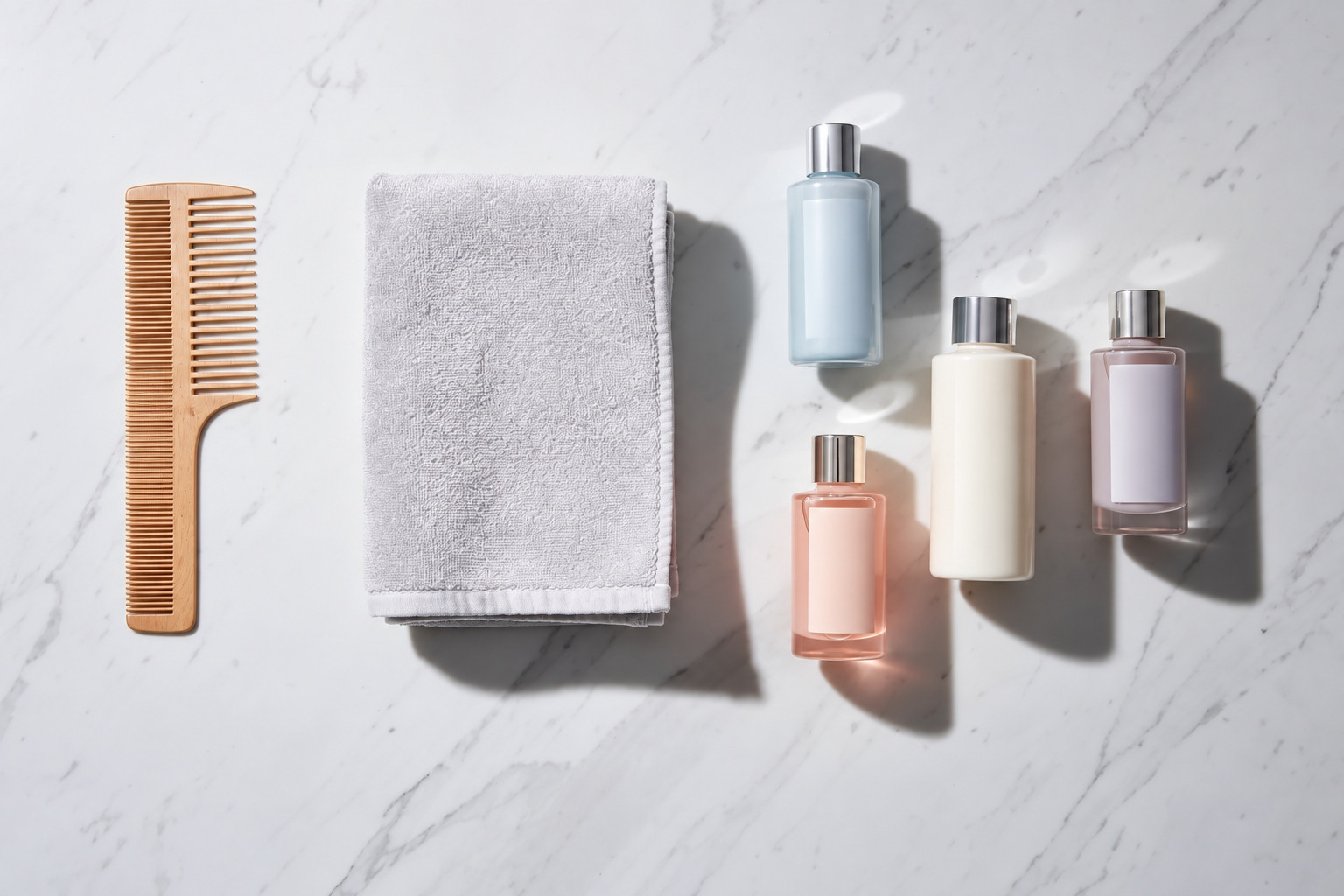

Prevention is about building a gentle, consistent hair care routine tailored to your hair type. Here are the fundamentals:
- Cleanse gently: Use lukewarm water and sulfate-free or mild shampoos. Focus product on the scalp and smooth suds down the lengths - don't scrub them. Cool water rinses at the end can help seal the hair cuticle and lock in moisture.
- Moisturise consistently: Hydrating products like conditioners and masks are crucial for moisture balance. Use a hydrating conditioner every wash, plus deep conditioning treatments done weekly for best results, focusing on mid-lengths and ends. A hair oil applied to damp hair can seal in hydration.
- Detangle carefully: Use a wide tooth comb on wet hair to prevent breakage, starting at the tips and working upward, ideally when hair is coated in conditioner or a slip-rich leave in conditioner to reduce friction.
- Dry smartly: Squeeze - don't twist - excess water. Switch to microfibre towels or soft cotton T-shirts. Let hair air dry partially before finishing with low heat if needed.
- Protect at night: Sleeping on silk or satin pillowcases reduces friction and breakage. A silk pillowcase paired with a loose braid or pineapple style keeps fragile strands safe. Protective hairstyles can help to reduce tension and prevent breakage during sleep and workouts. Use soft hair ties and spiral hair ties instead of tight rubber bands. Alternate hairstyle placement so tension isn't always on the same sections.
- Trim regularly: Regular trims every 8–12 weeks prevent split ends from travelling up the shaft and causing more extensive damage.
Heat Styling Without Destroying Your Hair: How to Minimise Heat Damage
Many people will continue to use heat styling tools, so the goal is to minimise heat damage rather than demand total avoidance. The difference between healthy hair and chronic breakage often comes down to a few consistent habits.
Always Use a Heat Protectant Before Styling
Apply a true heat protectant - spray, cream, or serum - to damp or dry hair before blow-drying, straightening, or curling, and comb it through for even coverage. Use a heat protectant spray every single time you reach for a hot tool, since these products can reduce damage from styling tools by up to 50%. Skipping this step, even occasionally, undermines everything else you do to protect your strands.
Mind the Temperature for Your Hair Type
Lower settings (120–150°C) work best for fine or damaged hair, while medium settings suit most textures. Higher temperatures should be used cautiously, even on thick or coarse hair, because higher heat is not always necessary for a good result. Matching the temperature to your hair type prevents unnecessary cuticle stress without sacrificing the style you want.
Reduce Heat Exposure and Schedule Heat-Free Days
Fewer passes with tools, allowing sections to cool before re-styling, and letting hair air dry partially before blow-drying all shorten total heat contact - and since frequent use of hot styling tools strips natural moisture from hair, every second you save counts. Beyond individual styling sessions, give hair heat-free days each week by using braids, buns, rollers, or simply embracing your natural texture. This reduces cumulative damage and supports healthier hair growth over time.
How to Repair Damaged Hair: Protein, Bond Builders, and Moisture Balance
Broken fibres cannot be permanently "glued" back together. But strengthening the remaining length can dramatically reduce further breakage and make hair feel and look healthier. Protein and bond-building treatments reinforce the hair cortex, improve elasticity, and help damaged hair withstand everyday wear without snapping as easily. Products like bond builders aim to re-create or simulate disulfide bridges, and lab studies show improvements in tensile strength.
However, overusing protein can make hair stiff and even more brittle, so balancing moisture - through hydrating masks, a deep conditioner, and light hair oils - is essential, especially for naturally dry or porous hair. The key is alternating protein and moisture treatments rather than relying on one alone.
Focus intensive treatments on the most compromised areas (typically mid-lengths and ends) and pair them with scalp-friendly care to encourage strong new growth from the root. To repair hair breakage effectively, consistency matters more than any single miracle product.
Lifestyle, Nutrition, and Scalp Care for Stronger Hair Growth
Key Nutrients for Hair Health and the Role of Stress and Hormones
Internal health and scalp condition directly shape how resilient or fragile hair fibres will be once they emerge from the follicle. Key nutrients that support hair health include adequate protein, iron, zinc, biotin, vitamins A, C, D, and omega-3 fatty acids. A balanced diet rich in protein and vitamins supports healthy hair growth - but consult a doctor before starting supplements, as over-supplementing certain vitamins can backfire. Nutritional deficiencies impact hair strength and growth at the cellular level.
Stress, sleep, and hormones also play a role. Chronic stress can shift more hair follicles into the shedding phase and weaken the quality of new growth. Poor sleep and hormonal shifts compound the problem. If you notice sudden or severe changes, seek medical advice.
Scalp Care and the Hair Exposome: Cleansing, Exfoliation, and Massage
Scalp care supports the hair exposome concept - the idea that all environmental, chemical, and lifestyle stressors accumulate. Regular but not excessive cleansing, occasional exfoliation, and gentle scalp massage support circulation without causing irritation. Keep hair healthy from the inside out by treating the scalp as the foundation of your entire hair care routine.
Conclusion
Hair breakage is frustrating, but it's not a mystery - and it's rarely permanent. The key is understanding that snapping strands are a sign of fibre damage, not a failed follicle, which means the right changes can make a real difference. Build a gentle routine that matches your hair type, lean on bond builders and moisture in balance, keep up with regular trims, and support your strands from the inside with good nutrition and scalp care. None of this requires a cupboard full of miracle products - just consistency, patience, and a little more care than you're used to giving your hair.