


Have you ever spent time carefully applying your skincare routine, only to discover tiny greyish balls rolling off your face the moment you reach for your moisturiser or foundation? It's one of the most frustrating skincare experiences. Not only does it ruin the smooth finish you've been working towards, but it can also feel like your favourite products – often expensive ones – have gone to waste.
This frustrating phenomenon is known as skincare pilling, and it's far more common than many people realise. The good news is that skincare pilling is usually easy to prevent once you understand why it happens. In this guide, we'll explain the science behind pilling, explore the most common causes, and show you exactly how to build a skincare routine that layers beautifully every time.
What Is Skincare Pilling? Understanding Why Skincare Balls Up on Your Skin
Skincare pilling refers to the formation of small rolled-up particles on the surface of the skin after applying one or more skincare products. Instead of absorbing or sitting smoothly, parts of the product gather together into tiny balls that rub away with even light friction.
Many people mistake pilling for dead skin cells or leftover cleanser. While flaky skin can contribute to the problem, pilling usually consists of skincare ingredients that have formed a film on the skin and then lifted away when disturbed. Importantly, pilling doesn't automatically mean a product is poorly formulated. Even premium skincare can pill if it's combined with incompatible products or applied incorrectly.
The science behind pilling is surprisingly simple. Many skincare formulas contain polymers and film-forming ingredients designed to create a smooth, protective layer. When multiple layers compete for space, or when formulas don't interact well together, these films can separate and roll into visible clumps.
Fortunately, pilling is rarely permanent. With a few adjustments to your routine, application technique and product selection, it's often straightforward to eliminate.
What Causes Skincare Pilling? 5 Common Reasons Your Products Roll Off
Incompatible Product Formulations (Water-Based vs Silicone-Based)
One of the biggest causes of skincare pilling is combining products with incompatible bases. Water-based serums are designed to penetrate the skin quickly, while silicone-heavy moisturisers and primers create a smooth protective barrier. When a water-based product hasn't fully settled before a silicone-rich formula is applied, the layers can repel one another rather than blend together.
Common silicone ingredients include:
- Dimethicone
- Cyclopentasiloxane
- Cyclohexasiloxane
- Trimethicone
If these appear high on the ingredient list, the product likely relies heavily on silicones for texture and slip.
Layering Too Many Products (The Overload Effect)
Modern skincare routines often feature multiple serums, essences, moisturisers and facial oils. While each product may offer individual benefits, every layer also contributes additional film-forming ingredients.
Eventually the skin reaches a point where excess product remains on the surface instead of absorbing properly. As you continue applying products, friction causes these accumulated layers to roll into visible clumps. Sometimes simplifying your routine delivers better results than adding another serum.
Applying Products Too Quickly
Patience is one of the most underrated skincare ingredients. Applying one product immediately after another prevents earlier layers from settling. Instead of bonding with the skin, products mix together on the surface, dramatically increasing the chance of pilling.
Using Too Much Product
More product doesn't necessarily mean better results. Your skin can only absorb a certain amount at once. Excess product remains on the surface, where it becomes vulnerable to rolling under even gentle pressure. For many products, a pea-sized amount is enough for the entire face. Applying thin, even layers usually performs better than using generous amounts all at once.
Skin Conditions That Contribute to Pilling
Dryness, dehydration and flaky skin create an uneven surface that makes pilling more likely. Loose skin flakes act like tiny hooks, catching products before they've had a chance to settle. If your skin feels rough or textured, regular but gentle exfoliation can make a noticeable difference.
If you're experiencing persistent dryness, it may also be worth focusing on repairing your skin barrier before introducing multiple active ingredients.
How to Stop Skincare Pilling: Step-by-Step Guide for Smooth Layering
Step 1 – Start with a Clean, Smooth Canvas
Every good routine begins with clean skin. Use a gentle cleanser to remove oil, makeup and overnight product build-up. If your skin is prone to rough texture, consider incorporating a mild chemical exfoliant such as a PHA or lactic acid toner once or twice a week. These help dissolve dead skin cells without the harsh scrubbing that can compromise your skin barrier.
Step 2 – Apply Thin Layers and Wait Between Products
Less is almost always more. Apply each product in a thin, even layer and give it time to settle before moving on. A useful rule is to wait until the previous layer feels tacky but no longer wet. Suggested waiting times include:
- Toners: 30–60 seconds
- Serums: 1–2 minutes
- Moisturisers: 2–3 minutes
These short pauses dramatically reduce the risk of products interacting poorly.
Step 3 – Layer Skincare in the Correct Order
Always apply products from the thinnest consistency to the thickest. Facial oils should usually come after water-based products or be mixed into your moisturiser rather than applied underneath.
Step 4: Pat Products Into the Skin Instead of Rubbing
Application technique matters just as much as product choice. Rubbing creates friction that disrupts the delicate films forming on the skin's surface. Instead, gently press products into your skin using your fingertips. Think of patting rather than massaging.
Step 5 – Choose Compatible Skincare Products
Pay attention to product bases. If your serum is primarily water-based, pairing it with another lightweight water-based moisturiser often produces the smoothest finish. That doesn't mean you can never mix brands. Many combinations work perfectly well. However, if pilling becomes a regular issue, looking for similar formulation styles can make layering much easier.
Ingredients That Commonly Cause Skincare Pilling
Certain ingredients appear frequently in products that are prone to pilling. That doesn't make them bad ingredients—it simply means they require thoughtful layering:
- Silicones, including dimethicone and cyclopentasiloxane, provide an exceptionally smooth finish and help blur the appearance of fine lines. However, when layered over incompletely absorbed water-based products, they can encourage rolling.
- Acrylate polymers are common in sunscreens and lightweight gel moisturisers. These ingredients create flexible films that protect the skin but may pill if disturbed before setting.
- Carbomers and xanthan gum are popular thickening agents. While excellent for texture, they can interact unpredictably with certain polymers and silicones.
- Mineral sunscreens containing zinc oxide or titanium dioxide may also ball up if applied over sticky skincare or excessively rich moisturisers.
If you're shopping for products that layer well, lightweight water-based formulations with fewer heavy film-formers often prove easier to combine.
The Best Skincare Routine to Prevent Pilling
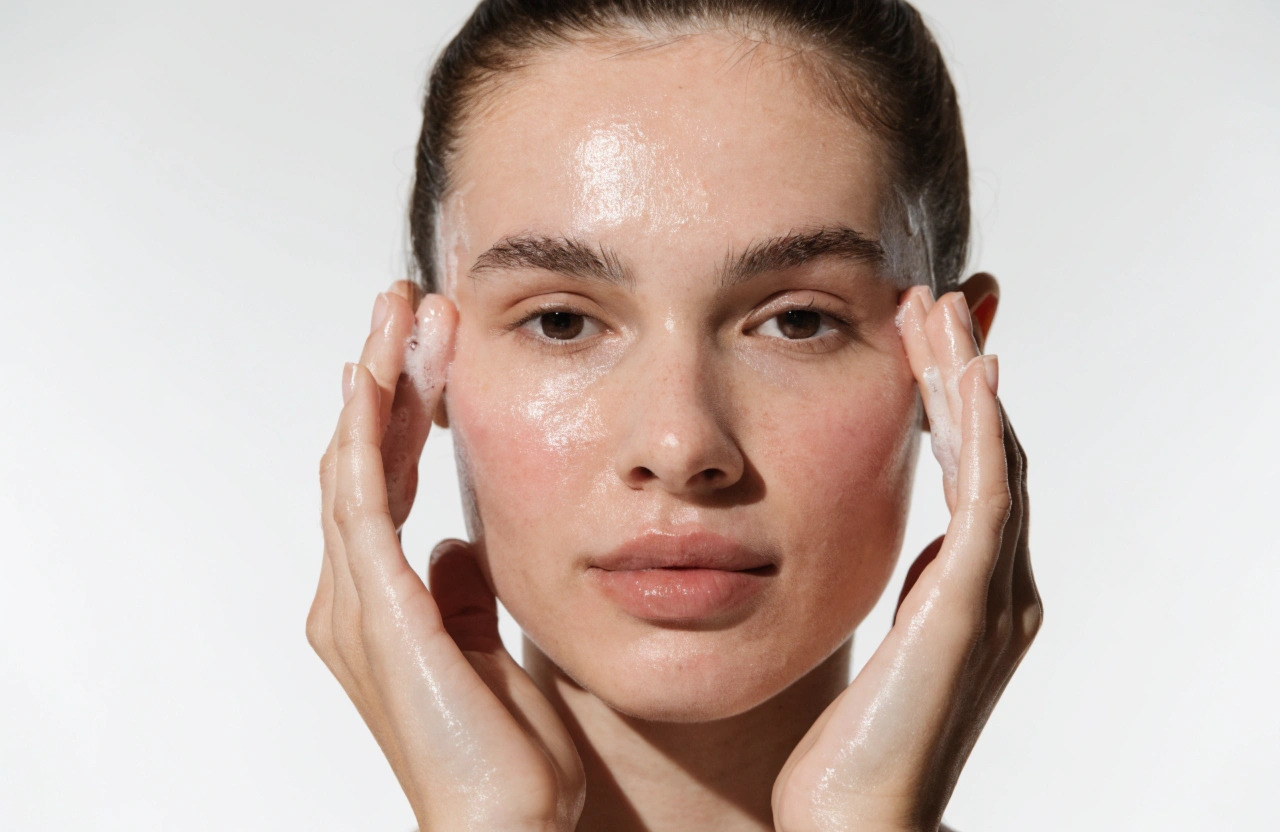

Morning Skincare Routine for Pilling-Free Skin
- Begin your morning routine with a gentle cleanse, or simply splash your face with lukewarm water, to remove any lingering impurities without stripping the skin’s natural barrier.
- Follow this with a lightweight vitamin C serum, which delivers potent antioxidant protection and a brightening boost, without adding unnecessary bulk to the skin’s surface.
- Allow a full two minutes for the serum to fully absorb and dry down.
- Next, apply a lightweight, silicone-free moisturiser to hydrate and comfort the skin.
- Pause for another two minutes to give your moisturiser ample time to settle, ensuring a smooth, even canvas for the subsequent steps.
- Finish with a chemical sunscreen, which tends to be far more compatible with other products than physical filters, offering superior protection without the chalky, clumping residue.
- Finally, grant your sunscreen a few minutes to set completely before reaching for your makeup, as this brief waiting period is the secret to a flawless, pilling-free base all day long.
Evening Skincare Routine That Won't Pill
- Start your evening ritual with an oil-based cleanser, which effectively dissolves stubborn sunscreen, sebum, and makeup, melting away the day’s grime without tugging at the skin.
- Follow up with a water-based cleanser to thoroughly remove any oily residue and deeply purify the pores, leaving your complexion perfectly prepped for active ingredients.
- Apply your chosen active serum—be it retinol for renewal, niacinamide for balance, or hyaluronic acid for intense hydration—ensuring it addresses your specific concerns without overwhelming the skin.
- Wait three to five minutes to allow the active serum to penetrate effectively and dry slightly.
- Smooth on a richer, more nourishing moisturiser to lock in all the previous benefits and support the skin’s overnight repair process, choosing a formula that feels indulgent yet absorbent.
- Rather than rubbing, pat the moisturiser gently into the skin using your fingertips; this light, pressing motion encourages deep penetration while keeping each product layer perfectly intact.
When Should You Apply Facial Oils?
Facial oils are best reserved as the final step in your routine. Alternatively, mix a drop or two into your moisturiser instead of layering a separate oil afterwards. This helps reduce friction and keeps your routine feeling lighter.
Skincare Pilling and Makeup – How to Save Your Base
Pilling becomes especially frustrating when it ruins an otherwise flawless makeup application. Primer compatibility plays a significant role. Silicone-based primers generally perform best with silicone-based foundations, while water-based products tend to layer more successfully with similar formulations. Whatever products you choose, allow your skincare at least five to ten minutes to fully set before beginning makeup.
When applying foundation, gently pat or stipple using a sponge or brush rather than dragging the product across the skin. If pilling appears midway through application, avoid rubbing. Instead, lightly lift away the clumps using a clean brush or cotton pad before continuing.
On days when your skin feels overloaded, a lightweight tinted moisturiser or BB cream may provide a more forgiving finish than full-coverage foundation.
Common Myths About Skincare Pilling – Debunked
- Myth 1 - Only cheap skincare pills: false, luxury skincare can pill just as easily if products are layered incorrectly.
- Myth 2 - Daily exfoliation prevents pilling: false, excessive exfoliation weakens the skin barrier and often makes pilling worse.
- Myth 3 - All silicones are bad: false, silicones offer valuable smoothing benefits, and not every silicone behaves the same way.
- Myth 4 - Pilling means nothing has absorbed: false, many ingredients have already penetrated the skin before the surface film begins rolling.
- Myth 5 - Everything should be applied to wet skin: false, while humectants often benefit from damp skin, many moisturisers, SPFs and treatment products perform better when applied to dry or nearly dry skin.
Expert Tips to Prevent Skincare Pilling Long-Term
Small adjustments often produce the biggest improvements:
- A facial mist can lightly rehydrate the skin between layers and help products settle more evenly without becoming overly wet.
- Remember that climate matters too. Humid conditions slow drying times, while central heating and cold weather may increase dehydration and surface texture.
- Keeping a simple skincare journal can also reveal patterns. If particular combinations consistently pill, you'll quickly identify what works best for your skin.
- When possible, products within the same skincare range are often formulated to complement one another, making layering easier.
- Don't neglect your neck and décolletage either—these areas can experience pilling just as easily as the face.
- Finally, if you're ever unsure, reach for a damp beauty sponge or cushion puff. Gently pressing products into the skin is almost always kinder than rubbing.
Final Thoughts: How to Stop Skincare Pilling for Good
Skincare pilling can feel incredibly frustrating, especially when you've invested time and money into building the perfect routine. Fortunately, it's rarely caused by a single "bad" product. More often, it comes down to compatibility, layering order, application technique and patience.
By applying thinner layers, allowing products time to absorb, choosing compatible formulations and resisting the urge to rub your skin, you can dramatically reduce the chances of those annoying little clumps appearing.
Remember that every complexion is unique. Finding the perfect routine may take a little experimentation, but introducing one product at a time makes it much easier to discover what works for your skin. Ultimately, healthy, comfortable skin is the real goal. Once you understand the causes of skincare pilling, you'll be well equipped to build a routine that feels as good as it looks.