


Pregnancy is one of life's most remarkable journeys. As your baby grows, your body transforms in extraordinary ways, many of which can feel exciting, empowering, and occasionally overwhelming. Among the countless changes expectant mothers experience, one concern often rises to the top of the list: stretch marks.
The truth is that stretch marks are incredibly common during pregnancy, affecting many women to varying degrees. While genetics certainly influence whether you develop them, that doesn't mean you're powerless. In this comprehensive guide, you'll discover why stretch marks form, which ingredients are safe and effective during pregnancy, how to build a daily skincare routine, the role of nutrition and hydration, and what to do after birth to support your skin's recovery.
Understanding Stretch Marks: Why Do They Appear During Pregnancy?
To understand stretch marks, it helps to know a little about how skin is structured. Your skin consists of three primary layers. The epidermis forms the protective outer layer, while beneath it lies the dermis, which contains collagen and elastin fibres responsible for skin strength and flexibility. The deepest layer, the hypodermis, contains connective tissue and fat.
During pregnancy, your skin must stretch rapidly to accommodate your growing baby. When stretching occurs faster than the dermis can adapt, microscopic tears can develop within the collagen and elastin network. As these tears heal, scar-like tissue forms, creating what we recognise as stretch marks. Initially, stretch marks often appear red, purple, pink, or dark brown depending on skin tone. Over time, they typically fade to lighter silver or white lines.
Hormonal Changes and Their Role in Stretch Mark Development
Pregnancy hormones influence much more than mood and energy levels. They also affect the skin's ability to cope with stretching. Increased cortisol levels may reduce collagen production and weaken connective tissue. Hormones such as oestrogen and relaxin can alter skin structure and elasticity while also affecting moisture retention.
These hormonal changes partly explain why some women develop stretch marks despite diligent skincare, while others experience few or none. Individual differences in collagen quality, skin elasticity, age, and genetics all contribute to how skin responds during pregnancy.
Common Misconceptions About Stretch Marks
There are plenty of myths surrounding stretch marks, and many can create unnecessary anxiety. One common misconception is that only overweight women develop stretch marks. In reality, stretch marks result from skin stretching and hormonal influences rather than weight alone.
Another myth suggests they only occur on the abdomen. Stretch marks frequently appear on the breasts, thighs, hips, buttocks, and lower back as these areas undergo significant change during pregnancy.
Perhaps the most persistent myth is that creams are completely ineffective. While no topical product can guarantee prevention, research suggests that maintaining hydration and supporting skin elasticity through consistent skincare may help reduce severity and improve overall skin condition. The key is realistic expectations. The goal is minimisation rather than complete elimination.
Is It Really Possible to Prevent Stretch Marks? Setting Realistic Expectations
Genetics vs. Skincare – What the Research Says
Scientific studies consistently identify genetics as one of the strongest predictors of stretch mark development. If your mother or sisters experienced significant stretch marks during pregnancy, your own likelihood may be higher.
However, genetics are not the whole story. While no topical treatment has been conclusively proven to prevent stretch marks, maintaining well-hydrated skin through regular moisturisation and gentle massage may help improve skin comfort, support the skin barrier, and potentially reduce the severity of stretch marks in some women. Rather than viewing skincare as a guaranteed preventative measure, it's more realistic to think of it as giving your skin the best possible support as it adapts to the rapid changes of pregnancy.
The Three Pillars of Prevention
Effective stretch mark prevention revolves around three interconnected foundations:
- Hydration: Hydrated skin tends to be more supple and comfortable. This includes both drinking adequate fluids and using topical moisturisers to reduce moisture loss.
- Nutrition: Healthy skin relies on nutrients such as vitamin C, zinc, protein, and essential fatty acids to support collagen production and tissue repair.
- Topical Care: Daily use of pregnancy-safe creams, oils, and lotions helps reinforce the skin barrier and maintain softness and elasticity.
When combined consistently, these three pillars create a strong foundation for healthy skin throughout pregnancy.
The Ultimate Pregnancy-Safe Skincare Routine for Stretch Mark Prevention
Morning Rituals for Supple Skin
Your morning routine doesn't need to be complicated. After showering, gently pat your skin dry, leaving it slightly damp. This helps lock in moisture when applying skincare products. Choose a lightweight lotion or serum containing ingredients such as hyaluronic acid, peptides, or Centella Asiatica. These formulations absorb quickly, making them ideal before getting dressed. Apply product generously to common stretch mark areas, including abdomen, breasts, hips, thighs, buttocks and lower back.
The earlier you begin, the better. Starting in the first trimester allows you to establish a consistent habit before significant stretching occurs.
Evening Treatments – When Skin Repairs Itself
Night-time is the perfect opportunity to provide deeper nourishment. Many women prefer richer formulations in the evening, such as body butters containing shea butter or cocoa butter, or nutrient-rich oils including rosehip oil and vitamin E blends.
Take a few extra minutes to massage products into the skin using slow, circular movements. This not only enhances the skincare experience but may also improve product distribution and encourage relaxation before bed.
How Often Should You Moisturise?
Consistency matters more than complexity. For most pregnant women, moisturising at least twice daily is ideal. Applying products after bathing is particularly effective because skin is more receptive to moisture retention.
To make skincare a habit, pair it with existing routines. Apply your morning lotion after brushing your teeth and your evening treatment before settling into bed. Small, consistent actions performed every day often deliver better results than occasional intensive treatments.
Ingredients to Look For – and Which to Avoid – in Pregnancy Skincare
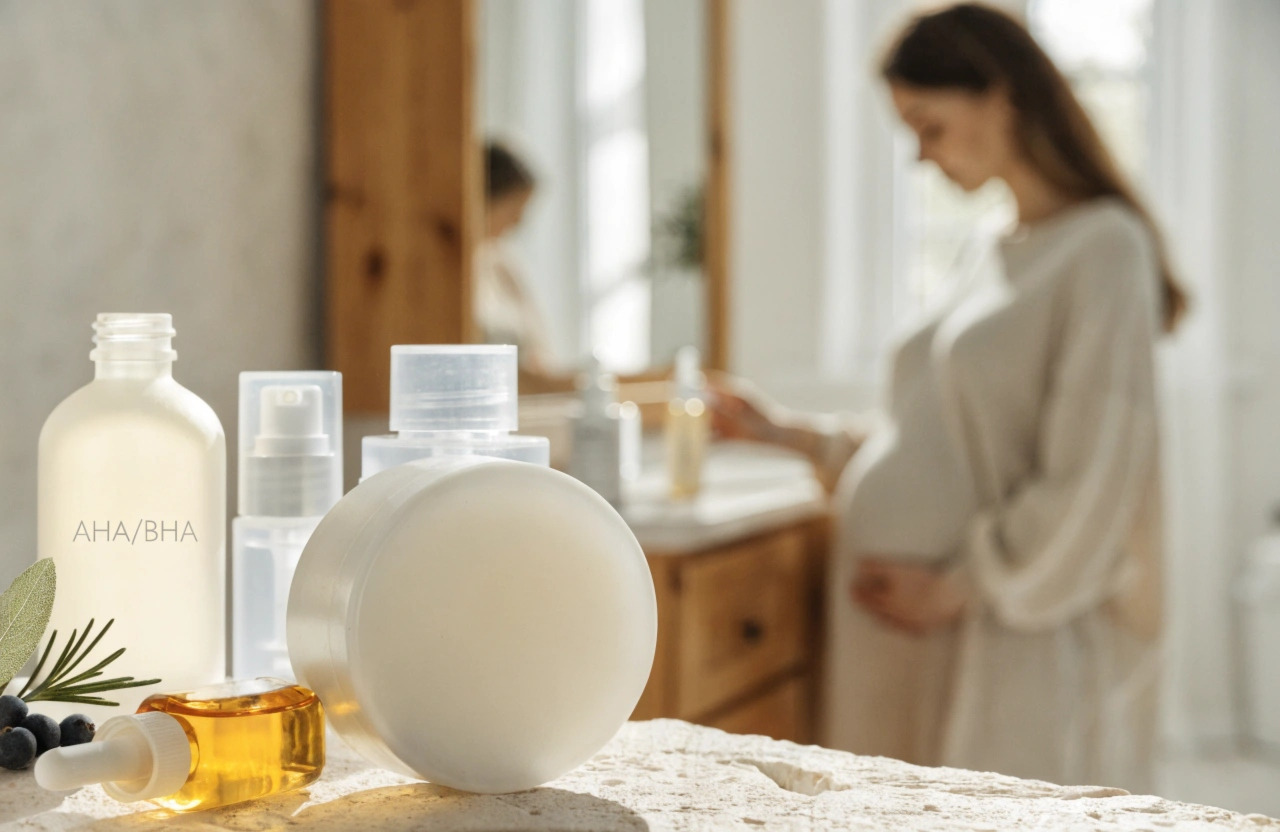

Hero Ingredients That Support Skin Elasticity
- Hyaluronic Acid: Hyaluronic acid is one of the most effective hydrating ingredients available. It attracts water to the skin, helping maintain plumpness, softness, and flexibility.
- Centella Asiatica (Cica): Often called Cica, Centella Asiatica is known for its soothing properties and potential role in supporting collagen production. It is particularly useful for sensitive or irritated skin.
- Shea Butter and Cocoa Butter: These rich emollients help strengthen the skin barrier and reduce moisture loss. Their nourishing texture makes them especially beneficial for dry, stretched skin.
- Vitamin E and Wheat Germ Oil: Vitamin E is a powerful antioxidant that helps protect the skin from oxidative stress while supporting the skin's natural repair processes. Wheat germ oil is naturally rich in vitamin E and essential fatty acids, providing intensive nourishment that helps keep skin soft, moisturised, and more resilient as it stretches.
- Rosehip Oil: Rich in essential fatty acids and naturally occurring antioxidants, rosehip oil helps nourish the skin and support its natural regeneration. Its lightweight texture absorbs easily, making it an excellent choice for maintaining softness and improving the appearance of dry, stretched skin.
- Avocado Oil: Packed with vitamins A, D, and E, along with nourishing omega fatty acids, avocado oil deeply moisturises and helps reinforce the skin's protective barrier. Its rich composition supports skin suppleness and can help relieve tightness and dryness as pregnancy progresses.
- Collagen-Boosting Peptides: Peptides are small chains of amino acids that support skin health. Unlike retinoids, they are generally considered safe during pregnancy and may help improve skin firmness.
Ingredients to Steer Clear of During Pregnancy
- Retinoids (Vitamin A Derivatives): Retinoids, including retinol and prescription-strength vitamin A products, should be avoided during pregnancy due to concerns regarding foetal development.
- High-Dose Salicylic Acid: Large concentrations of salicylic acid are generally not recommended during pregnancy. If using products containing salicylic acid, consult your healthcare provider regarding appropriate strengths.
- Phthalates and Parabens: Some expectant mothers choose to avoid these ingredients because of concerns about potential endocrine disruption. While evidence remains under investigation, many pregnancy-focused products exclude them.
- Essential Oils Requiring Caution: Certain essential oils, including clary sage, rosemary, and juniper, may not be suitable during pregnancy unless appropriately diluted and approved by a qualified healthcare professional.
When shopping for skincare, look for products clearly labelled as suitable for pregnancy. Review ingredient lists carefully and prioritise transparency from reputable brands. Fragrance-free options can be particularly helpful if pregnancy has increased skin sensitivity.
Always perform a patch test before introducing a new product, even if you've used similar ingredients previously. Pregnancy can alter how skin reacts. If you're uncertain about a product, seek advice from your GP, midwife, or dermatologist before use.
The Role of Diet and Hydration in Stretch Mark Prevention
Foods That Feed Your Skin From Within
Beautiful skin begins internally:
- Vitamin C-rich foods such as oranges, strawberries, kiwi fruit, and bell peppers support collagen synthesis, an essential process for maintaining skin structure.
- Protein provides the building blocks needed for tissue growth and repair. Good sources include lean meat, poultry, eggs, dairy products, beans, and lentils.
- Zinc-rich foods such as pumpkin seeds, nuts, and whole grains contribute to healthy skin function and wound healing.
- Healthy fats from avocados, olive oil, nuts, seeds, and oily fish help maintain skin suppleness and support overall wellbeing.
How Much Water Should You Drink?
Adequate hydration becomes increasingly important during pregnancy. General NHS guidance suggests aiming for around 1.6 to 2 litres of fluid daily, while recognising that individual requirements vary. Fluids obtained through food also contribute to overall hydration.
Signs of dehydration may include dark urine, headache, fatigue, dry mouth and dizziness. When skin lacks sufficient hydration, it may appear duller and feel less supple. While drinking more water alone won't prevent stretch marks, proper hydration supports overall skin health.
The Connection Between Weight Gain and Stretch Marks
Healthy pregnancy weight gain is natural and necessary. However, rapid fluctuations can place additional stress on the skin. Gradual, steady weight gain allows skin more time to adapt to physical changes.
Crash dieting during pregnancy is never recommended and can compromise both maternal and foetal health. Likewise, excessive rapid weight gain may increase stretching forces on the skin. Working closely with your healthcare provider ensures weight changes remain within appropriate ranges for your individual circumstances.
Massage Techniques That Boost Absorption and Comfort
The Best Way to Apply Oils and Creams
Application technique matters more than many people realise:
- Start by warming your chosen oil or cream between your palms. This improves spreadability and creates a more soothing experience.
- Apply using gentle circular motions, gradually working across each treatment area. Follow with light upward strokes where comfortable.
- Pay particular attention to belly, breasts, hips, thighs, buttocks and lower back.
- Avoid aggressive rubbing, which may irritate sensitive skin.
Self-Massage for Relaxation and Bonding
Massage offers benefits that extend beyond skincare. Many expectant mothers find that regular self-massage helps reduce stress, encourages mindfulness, and promotes better sleep quality. A simple five-minute routine may include:
- Applying a nourishing oil after an evening shower.
- Spending one minute massaging the abdomen.
- One minute on each thigh.
- One minute on the hips and lower back.
- Finishing with gentle breathing and relaxation.
These moments can become a meaningful daily ritual throughout pregnancy.
Stretch Mark Prevention After Birth – The Fourth Trimester
Why Your Skin Still Needs Care Post-Partum
Many women stop their skincare routine immediately after birth, but this period remains important. Hormonal changes continue during the post-partum months, and the skin undergoes another significant adjustment as the body gradually returns to its pre-pregnancy shape. New stretch marks can sometimes appear during this transition. Continuing your routine for at least six months post-partum helps support skin recovery and hydration.
When to Expect Fading – and How to Support It
Fresh stretch marks typically appear darker and more noticeable. Over time, they naturally fade from red, purple, or pink shades to lighter silver or white tones. This process can take several months or even years. To support healthy skin during this period continue moisturising daily, maintain good hydration, eat a nutrient-rich diet and consider gentle exfoliation once your skin has fully healed. Patience is important, as fading occurs gradually.
Professional Options (If You Want to Go Further)
For women seeking additional improvement, professional treatments may be worth exploring after pregnancy and breastfeeding. Options can include laser therapy, microneedling, prescription retinoids or a combination of dermatological treatments. These interventions may help improve texture and appearance but should only be considered after discussing suitability with a qualified dermatologist.
Conclusion
Stretch marks are a normal part of pregnancy for many women, and their appearance is influenced by factors both within and beyond your control. While no skincare routine can promise complete prevention, a consistent approach focused on hydration, nourishment, and pregnancy-safe ingredients can help support your skin's resilience during this remarkable period of change.
Every pregnancy journey is unique, and every stretch mark tells part of that story. Whether your skin remains smooth or develops a few silver lines along the way, those changes reflect the incredible work your body is doing.
Start your routine today, even if it's just a simple moisturiser applied morning and night. Small, consistent steps can make a meaningful difference over time. Most importantly, celebrate yourself and the extraordinary journey that takes you from bump to beautiful.