


Biotin supplements have become a staple in many beauty routines, often praised for supporting hair, nails and glowing skin. But while vitamin B7 is widely promoted as a skin saviour, combining biotin with your skincare regime is not always as straightforward as it seems. For some people, the results are impressive; for others, breakouts and irritation can take centre stage.
If you are considering biotin for skin health, or you have already started supplementing and want to optimise your skincare routine, this guide will walk you through everything you need to know — from the real benefits to common side effects, and how to make biotin work with your skin rather than against it.
Why Biotin Is Everywhere in Beauty and Skincare
Over the last decade, biotin has gone from a niche vitamin to a beauty buzzword. It appears in supplements, shampoos, serums and even snack bars, often marketed as the secret to stronger hair and clearer skin.
Much of this popularity comes from its role in supporting the body’s natural keratin production and cellular metabolism. As consumers become more invested in beauty from within, biotin supplements have become an easy, accessible way to support skin health alongside topical skincare.
However, while biotin can be beneficial, it is not a miracle ingredient — and understanding how to use it wisely is key.
What Is Biotin and Why Is It Important for Skin Health?
Understanding Biotin (Vitamin B7)
Biotin is a water-soluble B vitamin that plays a vital role in converting food into energy. It supports enzymes involved in fatty acid synthesis and amino acid metabolism — both of which are important for maintaining healthy skin, hair and nails.
How Biotin Supports Skin at a Cellular Level
Biotin helps maintain the integrity of the skin barrier — the protective outer layer that keeps moisture in and irritants out. When biotin levels are low, the skin can become dry, irritated and more prone to redness or flaking. Supporting this barrier function is one of the main reasons biotin is linked to smoother, more resilient skin.
Natural Sources of Biotin vs Supplements
Because the body does not store biotin in large amounts, it relies on regular dietary intake to meet its needs. Biotin occurs naturally in foods such as eggs (particularly the yolk), nuts and seeds, wholegrains, salmon, avocados and sweet potatoes. For most people with a balanced diet, biotin deficiency is rare. However, restrictive diets, digestive issues and certain medications can increase the risk of low levels, which is where supplements may become useful.
Do Biotin Supplements Really Improve Your Skin?
What Science Says About Biotin for Skin
Scientific evidence suggests that biotin supplementation is most beneficial for the skin when it addresses low biotin levels, rather than when taken in excess by people who already meet their nutritional needs. In these cases of biotin deficiency, improvements in dryness, redness and irritation can be noticeable.
For those with normal biotin levels, the effects may be more subtle. While some users report improved skin texture and hydration, biotin is not a guaranteed solution for acne, pigmentation or ageing.
Biotin deficiency is uncommon — but certain groups are at higher risk
While rare in the general population, deficiency can occur in specific circumstances where absorption, intake or metabolism is affected:
- Pregnancy and breastfeeding can increase biotin requirements: Biotin levels tend to drop naturally during pregnancy, while breastfeeding further increases nutrient demand. In these cases, supplementation may help support both maternal skin health and overall wellbeing, when advised by a healthcare professional.
- Restrictive or unbalanced diets may lead to low biotin intake: Vegan, ketogenic or highly restrictive diets may limit access to natural biotin sources such as eggs, dairy and wholegrains. Long-term calorie restriction can also reduce overall micronutrient intake, including vitamin B7.
- Digestive and absorption issues can affect biotin levels: Conditions such as coeliac disease, Crohn’s disease and other malabsorption disorders may interfere with nutrient uptake. People who have had bariatric surgery are also at increased risk of biotin deficiency.
- Certain medications can reduce biotin availability: Long-term use of antibiotics can disrupt gut bacteria that help produce biotin. Some anti-seizure medications may interfere with biotin metabolism.
- Genetic and metabolic disorders can increase biotin needs: Rare conditions such as biotinidase deficiency prevent the body from recycling biotin effectively. In these cases, lifelong supplementation is often medically necessary and can be essential for skin, neurological and overall health.
In these deficiency states, biotin supplements can restore normal skin barrier function, which may lead to improved hydration, reduced redness and stronger overall skin resilience. For people without deficiency, benefits tend to be modest and should be viewed as supportive rather than transformative.
How to Safely Pair Biotin Supplements With Your Skincare Routine
When to Start Biotin Alongside a Skincare Regime
If you are introducing biotin, consider simplifying your skincare routine at the same time. This makes it easier to identify how your skin responds to the supplement itself, without confusion from multiple new products. Most people start to notice changes after 4–8 weeks.
Skincare Ingredients That Work Well With Biotin
- Hyaluronic acid works particularly well alongside biotin supplements because it supports deep hydration at the surface level, helping to reinforce the moisture balance that biotin promotes internally for softer, plumper-looking skin.
- Ceramides are an excellent partner to biotin, as they strengthen the skin barrier and lock in moisture, complementing biotin’s role in supporting healthy cell turnover and improving the skin’s natural resilience over time.
- Niacinamide pairs effectively with biotin by improving skin texture, calming redness and regulating oil production, making it especially useful for those who want to enjoy the benefits of biotin supplements without increasing the risk of irritation or breakouts.
Ingredients to Use With Caution When Taking Biotin
- High-strength exfoliating acids, such as glycolic acid and salicylic acid, should be used with care when starting biotin supplements, as combining internal skin changes with aggressive exfoliation can increase the likelihood of irritation, redness and a weakened skin barrier.
- Retinoids, including retinol and prescription-strength vitamin A derivatives, can make the skin more sensitive, so introducing them alongside biotin at the same time may overwhelm the skin and make it harder to identify the cause of breakouts or discomfort.
- Physical scrubs and harsh cleansing products can disrupt the skin’s protective barrier, which may heighten sensitivity during the adjustment period when your body is responding to biotin supplementation.
- Strong fragrance and alcohol-based formulas should also be approached cautiously, as they can trigger dryness and irritation that may be mistakenly attributed to biotin rather than the skincare products themselves.
A calmer routine reduces the risk of irritation if your skin needs time to adjust.
Biotin and Breakouts: Can Supplements Cause Acne?
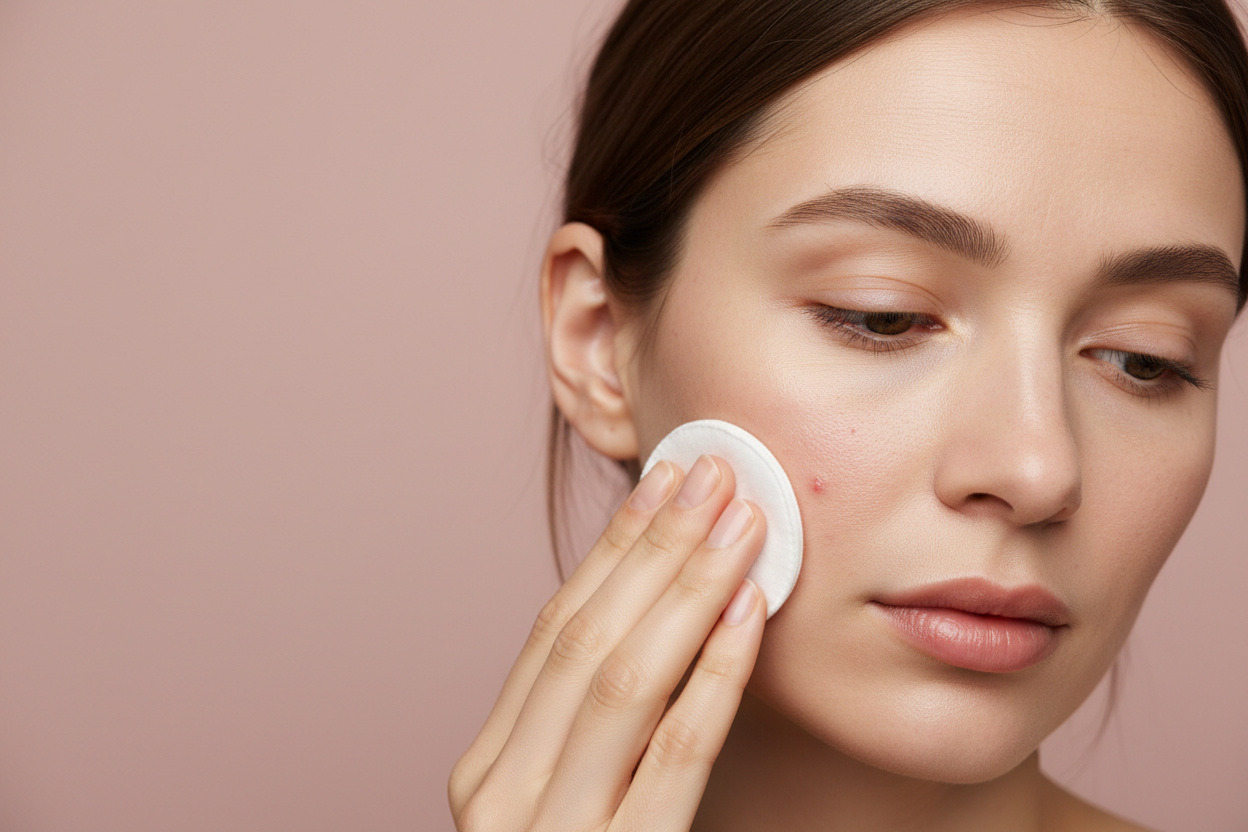

Why Some People Experience Spots After Starting Biotin
Although biotin is often promoted for clearer skin, some people notice breakouts soon after beginning supplementation. This is most commonly linked to the way high doses of biotin can interfere with the absorption of vitamin B5, a nutrient that plays a role in regulating oil production. When this balance is disrupted, sebum levels may increase, making pores more likely to clog and blemishes more likely to form. These effects are not universal, but they can be noticeable during the first few weeks of use, particularly when starting with a high-strength supplement.
Who Is Most at Risk of Biotin-Related Breakouts
Individuals with acne-prone or oily skin tend to be more sensitive to changes in sebum production, making them more vulnerable to biotin-related breakouts. Hormonal fluctuations, existing inflammation and a history of reacting to supplements can also increase the likelihood of experiencing spots after starting biotin.
How to Prevent Breakouts While Taking Biotin
To minimise the risk, it is often helpful to begin with a lower dose, maintain a gentle skincare routine and ensure balanced intake of other B vitamins. If breakouts persist, reducing or stopping supplementation and reassessing your needs may be the most skin-friendly approach.
Managing Common Biotin Side Effects on Skin
Skin Reactions Linked to Biotin Supplements
- Some people experience mild redness or flushing after starting biotin supplements, which may occur as the body adjusts to changes in vitamin B levels and increased circulation to the skin.
- Temporary rashes or small bumps can appear in sensitive individuals, particularly if high doses of biotin are introduced too quickly.
- Heightened skin sensitivity is another possible reaction, making the skin more reactive to products that were previously well tolerated.
- Occasional itchiness or dryness may develop if biotin alters the skin’s natural balance during the early stages of supplementation.
How to Tell if Biotin Is Not Right for Your Skin
Not every skin reaction is a sign that biotin is unsuitable, but persistent irritation, worsening breakouts or recurring rashes should not be ignored. If symptoms continue beyond a few weeks or intensify over time, this may indicate that your skin does not tolerate biotin well. Keeping a simple skincare routine while introducing supplements can help you identify whether biotin is the likely trigger.
When to Seek Professional Advice
If side effects are uncomfortable, long-lasting or interfere with your daily skincare routine, it is sensible to seek advice from a pharmacist, GP or dermatologist. Professional guidance is particularly important if you have existing skin conditions such as eczema, rosacea or acne, as supplementation may affect these differently. A healthcare professional can help determine whether adjusting the dosage, switching products or stopping biotin altogether is the best course of action for your skin health.
Choosing the Best Biotin Supplements in the UK
What to Look for on Supplement Labels
When selecting a biotin supplement, check for:
- Clear dosage information
- UK or EU quality standards
- Third-party testing where available
A typical daily dose ranges from 30–100 micrograms for general health, though many beauty supplements contain much higher amounts.
Combining Biotin with Other Beauty Supplements
- Biotin and zinc are often paired to support clearer skin, as zinc helps regulate oil production and inflammation while biotin supports overall skin resilience.
- Biotin and silica work well together for improving skin texture and strength, with silica contributing to collagen formation and skin elasticity. Additionally, horsetail extract and biotin are also combined frequently, as horsetail is naturally rich in silica.
- Biotin and vitamin C form a popular combination because vitamin C enhances collagen synthesis and provides antioxidant protection that complements biotin’s barrier-supporting role.
- Biotin and MSM are frequently included in beauty blends to promote smoother skin, as MSM supports connective tissue health and may improve skin clarity.
- Biotin and selenium help protect skin from oxidative stress, with selenium contributing to cellular defence and overall skin vitality.
- Biotin and collagen target both internal and structural support for plumper, more hydrated-looking skin.
- Biotin and copper may aid skin tone balance, as copper supports collagen and elastin production.
Always check the label if you have allergies or dietary restrictions.
Frequently Asked Questions About Biotin and Skincare
- How long does biotin take to improve skin? Most people begin to notice subtle changes in their skin after around 4 to 8 weeks of consistent use. Improvements such as better hydration, smoother texture and a healthier glow tend to develop gradually, as biotin supports skin renewal from within rather than delivering instant cosmetic effects.
- Can I take biotin with retinol or exfoliating acids? Yes, biotin supplements can be used alongside active skincare ingredients like retinol, AHAs and BHAs. However, if you are introducing biotin at the same time as strong actives, it is wise to go slowly. This helps you monitor how your skin reacts and reduces the risk of irritation or breakouts.
- Is it safe to take biotin long-term? For most healthy adults, biotin is considered safe for long-term use at recommended doses. Because it is water-soluble, excess amounts are usually excreted by the body. That said, very high doses can interfere with certain blood test results, so it is important to tell your GP if you take biotin regularly.
- What dosage of biotin is best for skin health? Many beauty supplements contain doses far higher than the daily requirement, but more is not always better. For general skin support, lower doses often work just as effectively and may reduce the likelihood of side effects such as breakouts.
- Can I get enough biotin from my diet alone? A balanced diet that includes eggs, nuts, seeds, wholegrains and vegetables provides biotin for most people. Supplements may be helpful if you follow a restrictive diet, have absorption issues or are advised by a healthcare professional.
- Can biotin make acne worse? In some individuals, high-dose biotin may contribute to breakouts by affecting vitamin B5 balance and oil production. If you notice increased spots after starting biotin, consider lowering the dose or stopping supplementation and reassessing your skincare routine.
Final Thoughts: Making Biotin Work for Your Skin — Not Against It
Biotin supplements can be a valuable addition to your beauty routine, but they are not a one-size-fits-all solution. When paired thoughtfully with a supportive skincare regime, biotin can help strengthen your skin barrier, improve hydration and promote a healthier-looking complexion.
The key lies in balance: choosing the right dose, maintaining gentle skincare habits and listening to your skin’s signals. By taking a measured, informed approach, you can enjoy the potential benefits of biotin without falling victim to unnecessary side effects — and build a routine that truly supports your skin from the inside out.