


If your skin has suddenly started feeling dry, sensitive, or irritated, you are far from alone. Many women notice unexpected skin changes in their 40s and 50s, often before they realise they are entering perimenopause or menopause. Products that once worked beautifully may now sting, redness can appear without warning, and no amount of moisturiser seems to fully relieve tightness or discomfort.
These changes are not random, nor are they a sign that you are doing anything wrong. They are closely linked to hormonal shifts that occur during perimenopause and menopause. Understanding what is happening beneath the surface is the first step towards restoring balance, comfort and confidence in your skin.
This guide explores why skin changes during perimenopause vs menopause, why dryness and sensitivity become so common, and how to adapt your skincare routine to better support hormonally changing skin.
Perimenopause vs Menopause: What’s the Difference and Why It Matters for Your Skin
Although often grouped together, perimenopause and menopause are distinct life stages, and your skin may respond differently in each phase.
What Is Perimenopause and When Does It Start?
Perimenopause is the transitional phase leading up to menopause. It can begin as early as your late 30s or early 40s and may last anywhere from four to ten years. During this time, oestrogen and progesterone levels fluctuate unpredictably rather than declining steadily.
These hormonal ups and downs are one of the main reasons skin can feel inconsistent during perimenopause. You may experience sudden dryness, breakouts, sensitivity or redness that comes and goes, often with no obvious trigger.
What Is Menopause and How Hormones Shift Long-Term
Menopause is officially defined as the point when you have not had a menstrual period for 12 consecutive months. After this, oestrogen levels remain consistently low rather than fluctuating.
This long-term oestrogen decline has a profound effect on the skin’s structure, hydration and resilience. While perimenopause is characterised by instability, menopause tends to bring more persistent skin changes.
Why These Two Stages Affect Skin Differently
In perimenopause, the skin is reacting to hormonal volatility. In menopause, it is adapting to hormonal depletion. Understanding this distinction helps explain why skin symptoms may feel unpredictable at first, then more constant later on, and why skincare needs often change over time.
Why Skin Suddenly Feels Dry During Perimenopause and Menopause
Dryness is one of the most common and distressing skin complaints during hormonal change.
The Role of Oestrogen in Skin Hydration
Oestrogen plays a central role in keeping skin hydrated, supple and resilient. It helps regulate the production of lipids and natural moisturising factors within the skin, supports collagen synthesis and improves the skin’s ability to retain water. When oestrogen levels are healthy, the skin barrier functions more effectively, reducing moisture loss and maintaining softness and elasticity.
During perimenopause and menopause, fluctuating and then declining oestrogen levels disrupt these processes. As a result, the skin produces fewer lipids, holds less water and becomes more prone to dryness and tightness. This is why skin can suddenly feel parched, even when using moisturisers that previously worked well.
Clinical research supports this link. A review published in 2005 found that reduced oestrogen levels in menopausal women are associated with decreased skin hydration and water content. These findings highlight that menopausal dryness is not simply cosmetic or age-related, but hormonally driven.
Increased Water Loss Through the Skin
Hormonal changes also increase transepidermal water loss (TEWL), meaning moisture escapes from the skin more easily. This can leave skin feeling dehydrated rather than simply dry, a distinction that is important when choosing products.
Why Even Oily Skin Can Feel Dehydrated
Many women are surprised to experience dryness despite having oily or combination skin. Hormonal dehydration affects all skin types. In fact, skin may overproduce oil to compensate, leading to a confusing mix of shine, dryness and sensitivity.
Sensitive, Red or Reactive Skin: What’s Really Going On?
One of the most confusing aspects of perimenopausal and menopausal skin is how suddenly it can become sensitive, reactive or prone to redness. These changes are closely linked to hormonal shifts rather than external irritation alone.
Hormones and a Weakened Skin Barrier
Oestrogen plays a key role in maintaining the skin barrier by supporting lipid production, cell turnover and moisture retention. As oestrogen levels fluctuate during perimenopause and decline during menopause, the skin barrier becomes thinner and less effective. This weakened barrier allows moisture to escape more easily while making the skin more vulnerable to irritants, allergens and environmental stressors. The result is skin that feels fragile, tight and easily overwhelmed.
Increased Inflammation and Heightened Sensitivity
Hormonal changes can also increase the skin’s inflammatory response. Lower oestrogen levels are associated with reduced anti-inflammatory protection, meaning the skin reacts more strongly to triggers such as heat, stress, skincare actives or changes in weather. This heightened sensitivity often presents as redness, flushing or a burning sensation, particularly on areas where the skin is naturally thinner, such as the cheeks and neck.
Why Products You’ve Used for Years Suddenly Sting
When the skin barrier is compromised, ingredients that once caused no issues may suddenly feel uncomfortable. This does not necessarily indicate a true allergy but rather reduced tolerance due to increased permeability of the skin. Fragrance, alcohol, exfoliating acids and even some anti-ageing actives can penetrate more deeply than intended, triggering stinging or irritation. This shift explains why simplifying routines and prioritising barrier repair is often more effective than switching endlessly between products.
Understanding these mechanisms helps reframe sensitive, reactive skin as a physiological response to hormonal change, not a failure of skincare.
Perimenopause Skincare: Supporting Skin Through Hormonal Fluctuations
Focus on Hydration Without Overloading the Skin
Hydration is essential during perimenopause, but heavy or overly rich products can feel suffocating on skin that is still producing oil. Layering lightweight hydrating products, such as serums or essences, beneath a well-formulated moisturiser helps replenish water levels without clogging pores. The aim is to support hydration while allowing the skin to regulate itself naturally.
Ingredients to Look For (and Why)
Certain ingredients are particularly beneficial for hormonally fluctuating skin. Humectants like hyaluronic acid and glycerin draw moisture into the skin, helping to counter dehydration. Ceramides reinforce the skin barrier, reducing water loss and sensitivity. Niacinamide, when used at low concentrations, can help calm inflammation, strengthen the barrier and support overall skin resilience.
Ingredients to Use with Caution
During perimenopause, skin tolerance often decreases. Strong exfoliating acids, high-percentage retinoids and fragranced products may trigger irritation or redness, even if they were once well tolerated. This does not mean actives must be avoided entirely, but they should be introduced slowly, used less frequently and balanced with soothing, reparative products.
Ultimately, perimenopausal skincare works best when it prioritises comfort, flexibility and skin barrier health over aggressive results.
Menopause Skincare: Caring for Skin Long-Term
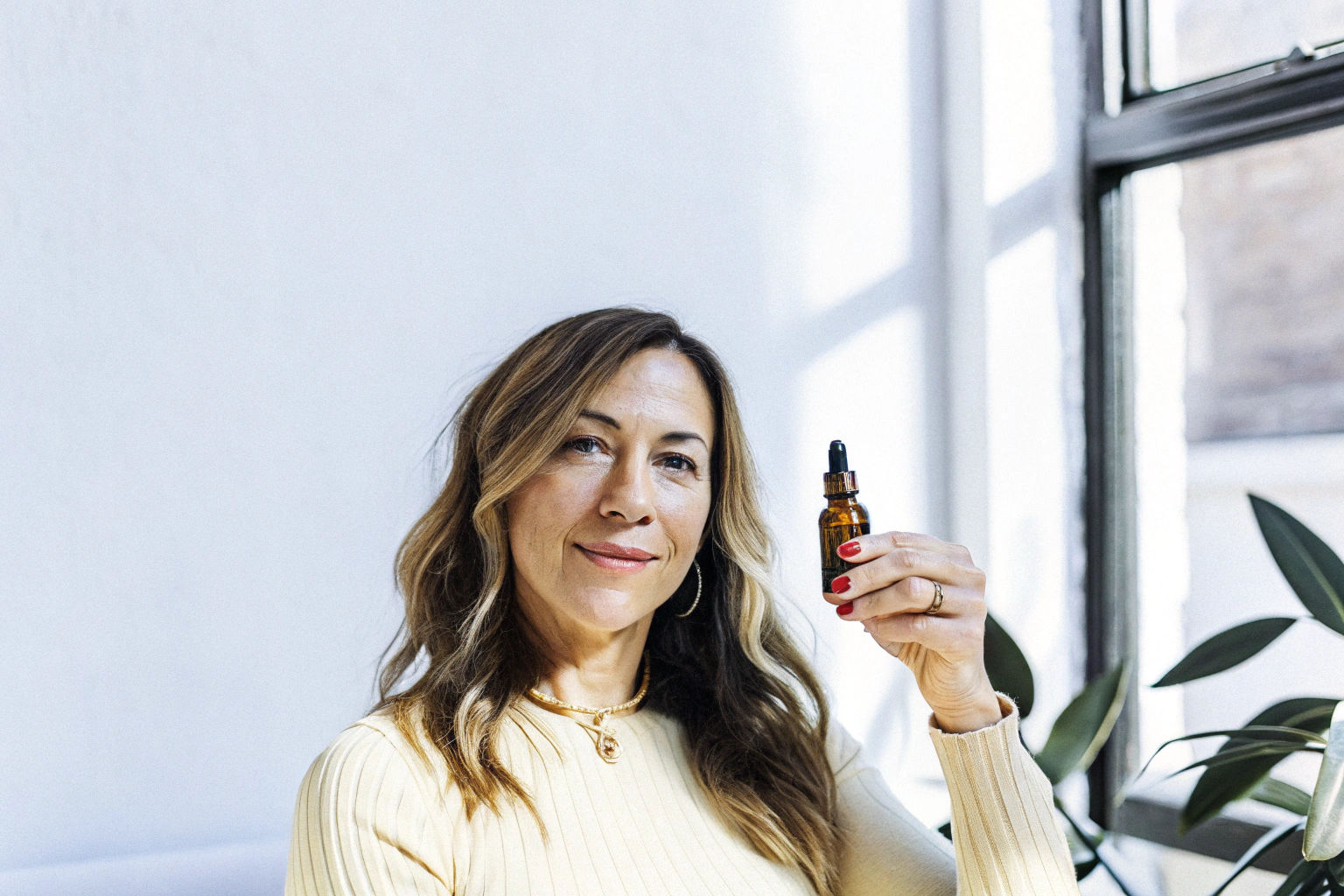

Prioritising Barrier Repair and Deep Nourishment
With lower oestrogen levels, the skin produces fewer lipids, making it more prone to dryness, irritation and sensitivity. Richer moisturisers that contain ceramides, cholesterol and fatty acids help replace what the skin naturally loses, supporting the barrier and reducing moisture loss. Comfort should be a key indicator of success; skin should feel calm, supple and protected throughout the day, not tight or reactive.
Supporting Collagen and Skin Density
Oestrogen also plays a role in collagen production, so menopause often coincides with increased skin thinning, laxity and fine lines. Gentle collagen-supporting ingredients such as peptides, bakuchiol or low-strength vitamin C can help improve firmness and texture over time without compromising sensitive skin. These ingredients work best when used consistently and paired with barrier-supportive products.
Adjusting Your Routine as Skin Needs Change
Many women find they need fewer products, but of higher quality, after menopause. Over-exfoliation, excessive actives and complex routines can weaken the skin further. A simplified routine that prioritises hydration, nourishment and protection is often more effective than a multi-step approach. Long-term menopausal skincare is about maintaining skin health, comfort and resilience, not chasing unrealistic results.
Building a Hormone-Friendly Skincare Routine for Perimenopause and Menopause
Creating a hormone-friendly skincare routine is less about adding more products and more about choosing the right ones, used consistently and gently. During perimenopause and menopause, the skin responds best to routines that support hydration, barrier repair and protection.
Morning Skincare Routine: Hydration, Barrier Support and Daily Protection
- Use a gentle, non-foaming cleanser that removes overnight impurities without stripping the skin of essential lipids, helping to prevent dryness and tightness from the outset.
- Apply a hydrating serum containing humectants such as hyaluronic acid or glycerin to replenish water levels and support dehydrated, hormonally affected skin.
- Follow with a barrier-supporting moisturiser formulated with ceramides or nourishing lipids to lock in hydration and protect against environmental stressors.
- Finish with a broad-spectrum SPF every day, as oestrogen decline makes skin thinner and more vulnerable to UV damage, pigmentation and accelerated ageing.
Evening Skincare Routine: Repair, Recovery and Comfort
- Cleanse gently in the evening to remove SPF, pollution and makeup without over-cleansing, which can weaken an already fragile skin barrier.
- Apply targeted treatment products such as peptides, bakuchiol or calming serums, chosen according to your skin’s tolerance rather than trends or intensity.
- Seal in moisture with a nourishing night cream to support overnight repair and reduce transepidermal water loss while you sleep.
Weekly Skincare Care: Supporting Skin Without Over-Treatment
- Limit exfoliation to once weekly or less, as excessive exfoliation can worsen sensitivity and dryness during hormonal change.
- Choose soothing or hydrating masks over purifying or exfoliating formulas to calm inflammation and restore comfort.
- Avoid frequent product switching, as consistency helps hormonally changing skin stabilise and respond more positively over time.
Lifestyle Factors That Affect Perimenopausal and Menopausal Skin Health
Skincare products alone cannot fully counteract the effects of hormonal change. During perimenopause and menopause, everyday lifestyle factors play a significant role in how skin looks, feels and functions, often amplifying dryness, sensitivity and inflammation.
Stress, Cortisol and the Impact on Hormonal Skin Changes
Chronic stress raises cortisol levels, which can impair the skin barrier, increase inflammation and worsen sensitivity. During perimenopause and menopause, when skin resilience is already reduced, prolonged stress may intensify redness, breakouts and delayed skin healing. Prioritising stress management through rest, gentle movement or relaxation techniques can positively influence skin health.
Sleep Quality and Overnight Skin Repair
Sleep is essential for skin regeneration. Hormonal changes can disrupt sleep patterns, particularly during perimenopause, reducing the skin’s ability to repair itself overnight. Poor sleep is linked to increased inflammation, dullness and dehydration, making consistent sleep routines an important part of skin care.
Diet, Hydration and Inflammatory Triggers
Blood sugar fluctuations, inadequate hydration and diets low in essential fatty acids can all worsen menopausal skin symptoms. Supporting skin from within with balanced meals, omega-3 fats and regular water intake may help reduce dryness and reactivity.
Environmental and Daily Habit Triggers
Cold weather, central heating, hot showers and harsh cleansing habits can further weaken hormonally vulnerable skin. Small daily adjustments often make a noticeable difference.
When to Seek Professional Advice
If skin symptoms are severe or persistent, speaking to a GP, dermatologist or menopause specialist can be helpful. Hormonal treatments, including HRT, may have a positive impact on skin for some women, though this should always be discussed with a healthcare professional.
Final Thoughts: Listening to Your Skin Through Perimenopause and Menopause
Perimenopause and menopause can transform how your skin looks and feels, often in ways that are unexpected and frustrating. Dryness, sensitivity and reactivity are not signs of ageing alone, but natural responses to hormonal shifts that require a more supportive, barrier-focused approach to skincare.
By choosing products designed specifically for hormonally changing skin, you can restore comfort, resilience and confidence. If your skin feels dry, sensitive or simply “off”, now is the time to discover our Menopause Skincare collection, thoughtfully formulated to support skin through every stage of hormonal change.