


Menopause is often talked about in terms of hot flushes, sleep disruption and mood changes — but for many women, the most visible and emotionally challenging shift happens in the mirror. Skin that once felt balanced can suddenly become dry, sensitive, reactive or dull. Products you have relied on for years may stop working altogether.
At the heart of many of these changes is your skin barrier — the invisible shield that protects, hydrates and keeps your complexion resilient. When menopause alters your hormones, it also alters this crucial defence system.
In this guide, we explore how menopause affects the skin barrier, why this matters so much for skin health, and how to choose skincare that truly supports your complexion through every stage of change.
Understanding Your Skin Barrier: The Foundation of Healthy Skin
Before exploring how menopause affects your skin, it is important to understand the role your skin barrier plays in everyday skin health. This outermost layer of your skin acts as a protective shield, influencing everything from hydration levels to how your complexion responds to the environment.
What Is the Skin Barrier and Why Is It So Important?
Your skin barrier is the surface layer of the skin, often described using the analogy of bricks and mortar. The skin cells form the bricks, while natural lipids act as the mortar that holds everything together. This structure allows your skin to function as a defence system, keeping moisture inside while blocking out irritants, bacteria and pollution. A strong barrier helps regulate inflammation, supports healthy skin renewal and ensures that your complexion stays comfortable and resilient. When this protective layer is intact, skin feels balanced and hydrated. When it weakens, even the best skincare products struggle to perform effectively.
Signs Your Skin Barrier Is Compromised
When the skin barrier becomes damaged, it often sends clear signals that something is wrong. You may notice persistent dryness or tightness that does not improve with moisturiser, along with redness, sensitivity or a stinging sensation after applying products. Skin may appear dull, flaky or rough, and healing can feel noticeably slower. In some cases, products that once worked beautifully may suddenly cause irritation.
How Menopause Affects Your Skin Barrier
Menopause brings profound changes to the skin, many of which are rooted in hormonal shifts that directly affect the strength and stability of the skin barrier. Understanding these changes helps explain why skin can suddenly feel unfamiliar and harder to manage during this stage of life.
The Role of Oestrogen in Skin Health
Oestrogen plays a central role in maintaining healthy, resilient skin. It supports natural oil production, encourages collagen and elastin synthesis, and helps the skin retain moisture. As oestrogen levels decline during menopause, these protective functions weaken. The skin gradually becomes thinner, drier and less elastic, which makes it more vulnerable to irritation and environmental stress. This hormonal shift explains why many women notice that their skin feels less comfortable and more reactive, even if they have always had balanced skin before.
Common Skin Barrier Changes During Menopause
Clinical evidence indicates that, as hormonal support decreases, several key changes take place within the skin barrier:
- Increased transepidermal water loss, meaning moisture escapes more easily from the skin.
- Reduced lipid production, weakening the protective layer that keeps skin supple
- Slower cell renewal, which can lead to dullness and uneven texture
- Heightened inflammation, increasing the likelihood of redness and sensitivity
Together, these changes contribute to the dryness, sensitivity and unpredictability often associated with menopausal skin.
Perimenopause vs Menopause: When Skin Changes Begin
For many women, skin changes do not wait until menopause is fully established. During perimenopause, fluctuating hormones can begin to affect the skin barrier years earlier than expected. You may notice that your usual moisturiser no longer feels sufficient, that dehydration becomes more persistent, or that your skin reacts more easily to products and environmental factors. Recognising these early signs allows you to adapt your skincare routine sooner, helping to protect your skin barrier before more pronounced changes take hold.
Choosing the Right Skincare During Menopause
The key to menopausal skincare is not necessarily more products — it is smarter choices.
Ingredients That Strengthen the Skin Barrier
- Ceramides: These naturally occurring lipids are essential to a healthy skin barrier, helping to hold skin cells together and prevent moisture loss. Skincare containing ceramides helps restore this protective layer, improving hydration and reducing sensitivity over time.
- Fatty acids (Omega-3s and Omega-6s): Found naturally in healthy skin, fatty acids keep the barrier supple and flexible. During menopause, the skin produces fewer of these nourishing oils, leading to tightness and rough texture. Adding fatty acids back into your routine helps soften the skin, improve elasticity and support the overall barrier structure.
- Cholesterol: Often overlooked, cholesterol is a vital part of the skin’s lipid matrix. It works alongside ceramides and fatty acids to maintain the integrity of the barrier. In menopausal skincare, cholesterol helps reinforce weakened skin, improving resilience and reducing the likelihood of irritation and inflammation.
- Niacinamide: A form of vitamin B3, niacinamide strengthens the skin barrier while calming redness and sensitivity. It also supports moisture retention and helps regulate oil production, making it particularly useful for menopausal skin that feels both dry and prone to breakouts.
- Squalane: This lightweight, skin-identical oil mimics the natural sebum your skin produces less of during menopause. It delivers lasting comfort without heaviness, helping to smooth the surface of the skin and seal in moisture for a healthier, more resilient complexion.
Ingredients That Soothe and Calm Menopausal Skin
- Oat extract: A powerhouse for sensitive skin, oat extract is rich in soothing compounds that help relieve itching, redness and irritation. It supports the skin barrier by reinforcing moisture retention while calming inflammation at the same time. For menopausal skin that feels uncomfortable or easily aggravated, oat-based products can provide immediate relief and long-term resilience.
- Panthenol (Vitamin B5): Known for its deeply hydrating and restorative properties, panthenol helps strengthen the skin barrier while soothing stressed skin. It attracts moisture into the skin and supports natural healing processes, making it ideal for menopausal complexions that feel tight, sore or prone to flaking. Regular use can noticeably improve softness and comfort.
- Centella asiatica: Often called “cica,” this botanical extract is widely used in sensitive-skin formulations for its anti-inflammatory and repairing benefits. It helps calm redness, supports collagen production and speeds up skin recovery. For menopausal skin experiencing sensitivity or rosacea-like symptoms, centella can be a gentle yet highly effective addition.
- Allantoin: A quietly powerful soothing ingredient, allantoin softens rough patches and promotes healthy cell turnover without irritation. It helps calm reactive skin while improving texture, making it particularly useful when menopause leaves your complexion feeling uneven or easily triggered by products.
Ingredients to Use With Caution During Menopause
- Strong exfoliating acids: Ingredients such as glycolic acid and high-strength salicylic acid can easily overwhelm menopausal skin. With a weakened barrier, over-exfoliation may lead to redness, stinging and increased dryness rather than clarity. If you use acids, opt for milder formulas and limit use to once or twice a week.
- High-strength retinoids: Retinol remains a gold standard for ageing skin, but during menopause it can cause irritation if introduced too aggressively. Lower concentrations, buffered formulas or reduced frequency can help you enjoy the benefits without compromising comfort.
- Alcohol-heavy formulas: Products containing large amounts of denatured alcohol can strip essential lipids from the skin, worsening dryness and sensitivity. This is particularly problematic for menopausal skin that already struggles to retain moisture.
- Fragrance and essential oils: These may smell beautiful, but they are common triggers for irritation in reactive skin. During menopause, it is often safer to choose fragrance-free or low-irritant formulations to keep inflammation at bay.
A cautious, skin-first mindset allows you to protect your barrier while still enjoying effective, results-driven skincare.
Building a Barrier-Friendly Skincare Routine for Menopause
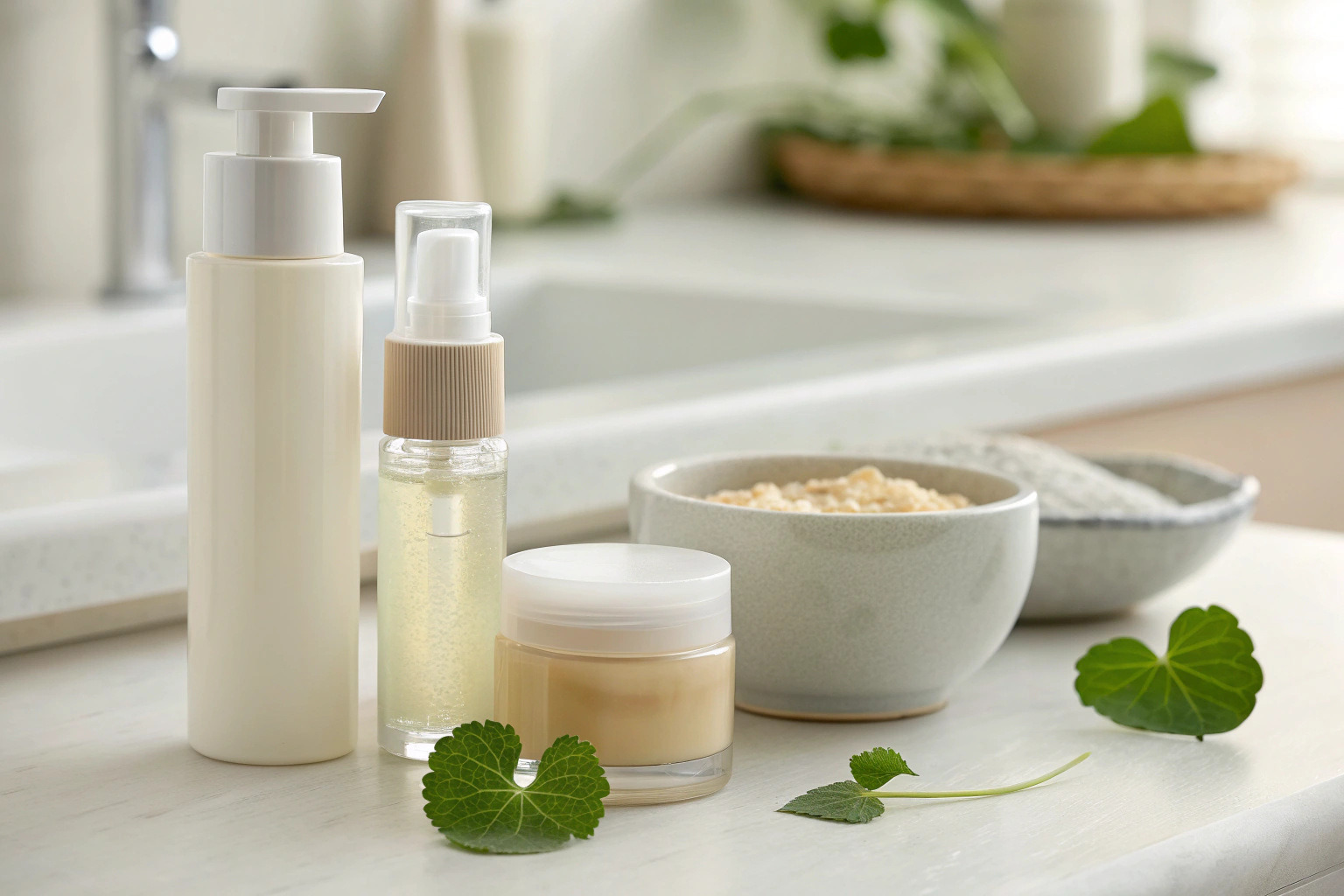

Creating a routine that supports your skin barrier is one of the most effective ways to manage menopausal skin changes. The goal is not to do more, but to do what truly matters — protecting, nourishing and restoring your skin every day.
Morning Routine: Protect and Hydrate
- Gentle cleanser: Start the day with a mild, non-foaming cleanser that removes overnight oil and sweat without stripping your skin. Harsh cleansers can weaken an already fragile barrier, so look for cream or milk-based formulas that leave skin feeling comfortable rather than tight.
- Hydrating toner or essence: This step replenishes water content after cleansing and preps your skin for the products that follow. Hydration layers are especially helpful for menopausal skin that feels dehydrated beneath surface dryness.
- Barrier-support serum: Choose a serum containing ceramides, niacinamide or panthenol to strengthen the skin barrier and reduce sensitivity throughout the day.
- Moisturiser rich in lipids: A nourishing cream helps seal in hydration and reinforces the skin’s protective layer, keeping your complexion calm and resilient.
- Broad-spectrum SPF: Daily sun protection is essential, as menopausal skin is thinner and more vulnerable to UV damage. A hydrating SPF helps protect without adding dryness.
Evening Routine: Repair and Restore
- Gentle makeup removal: Use cleansing balms or oils that dissolve makeup without tugging at the skin or disrupting its natural oils.
- Mild exfoliation: Limit exfoliation to once or twice a week to prevent build-up while avoiding barrier damage. Choose gentle acids or enzyme-based exfoliants.
- Repair-focused serums: Evening is the ideal time to apply products that support overnight skin repair, such as barrier-repair or soothing serums.
- Nourishing night cream or facial oil: Finish with a richer formula to lock in moisture and support skin regeneration while you sleep.
Weekly Treatments That Support the Skin Barrier
- Hydrating masks: Use once a week to give your skin an extra boost of comfort and moisture.
- Barrier-repair treatments: Ideal after stressful periods or seasonal changes when skin feels particularly fragile.
- Minimalist approach: Menopausal skin often thrives on simplicity; fewer, well-chosen products are usually more effective than a crowded routine.
Professional Treatments That Can Help Menopausal Skin
Sometimes, expert guidance makes all the difference.
- A dermatologist can assess barrier damage and recommend tailored treatments
- Gentle in-clinic options like LED therapy or hydrating facials can support healing
- Avoid aggressive peels or abrasive treatments if your skin feels fragile/span>
When in doubt, less intensive care is usually the safer choice during menopause.
Lifestyle Factors That Impact Your Skin Barrier in Menopause
Skincare products play an important role in supporting your skin during menopause, but true barrier health is also shaped by everyday lifestyle choices. What you eat, how you sleep and the way you manage stress can all influence how resilient and comfortable your skin feels.
Nutrition for Skin Barrier Health
A well-balanced diet provides the building blocks your skin needs to repair itself. Omega-3 fatty acids, found in oily fish, flaxseeds and walnuts, help reduce inflammation and support the skin’s natural lipid barrier. Adequate protein is equally important, as it fuels tissue repair and collagen production. Antioxidant-rich foods such as berries, leafy greens and colourful vegetables help protect the skin from environmental stress that can weaken the barrier over time.
Hydration and Its Role in Skin Resilience
While drinking water alone will not instantly cure dry skin, staying well hydrated supports circulation and overall skin function. Combined with topical hydration from serums and moisturisers, this inside-and-out approach helps your skin retain moisture more effectively. Herbal teas and water-rich foods can also contribute to daily fluid intake in a gentle, sustainable way.
Stress, Sleep and Skin Repair
Chronic stress raises cortisol levels, which can impair the skin’s ability to heal and maintain its barrier. Prioritising good sleep, gentle exercise and relaxation techniques such as mindfulness or yoga supports both emotional wellbeing and skin recovery. When your body feels balanced, your skin is far better equipped to stay calm, strong and resilient throughout menopause.
Final Thoughts: Thriving, Not Just Coping, With Menopausal Skin
Menopause marks a new chapter in your life — and in your skin’s story. While hormonal changes can feel frustrating, they also offer an opportunity to build a more thoughtful, nourishing relationship with your skincare routine.
By prioritising your skin barrier, choosing calming, supportive products and embracing gentler habits, you can move beyond simply coping with menopausal skin. Instead, you create a routine that works with your skin rather than against it, helping to restore comfort, balance and confidence.
Your complexion may be changing, but with the right care, it can continue to look healthy, radiant and beautifully supported at every stage. If you are ready to take the next step, we invite you to explore our carefully curated Menopause Skincare selection — designed to support your skin barrier and help you feel your best throughout this important phase of life.