


In recent years, skincare experts and dermatologists have placed increasing emphasis on skin barrier repair as the foundation of effective skincare. Rather than relying on aggressive treatments or complex routines, many people are now focusing on strengthening the skin’s natural protective layer.
The good news is that repairing and supporting the skin barrier does not require an overly complicated regimen. By choosing the right ingredients and following a consistent routine tailored to your skin type, you can help restore balance and improve long-term skin health.
In this guide, we will explore the most effective ingredients for repairing the skin barrier and simple routines designed for different skin types. With the right approach and a little patience, healthy and resilient skin is achievable.
What Is the Skin Barrier? Understanding Its Role in Skin Health
The skin barrier is the outermost layer of the skin, known scientifically as the stratum corneum, and it functions as the body’s primary protective shield. Dermatologists often describe its structure using the “brick and mortar” analogy: skin cells act as the bricks, while lipids such as ceramides, cholesterol, and fatty acids form the mortar that holds the structure together. This protective layer helps prevent moisture loss while defending the skin against pollutants, bacteria, allergens, and environmental stress.
When the skin barrier is healthy, it supports softness, smoothness, and elasticity. Modern barrier-focused skincare routines aim to maintain this structure by prioritising hydration, lipid replenishment, and gentle care to support long-term skin balance and resilience.
The Best Modern Ingredients for Skin Barrier Repair
The most effective approach to repairing the skin barrier involves using ingredients that replenish lipids, boost hydration and calm inflammation. These ingredients work together to strengthen the skin’s natural protective structure.
Ceramides for Skin Barrier Repair and Moisture Retention
Ceramides are naturally occurring lipids that play a crucial role in maintaining the barrier function of the skin. When ceramide levels are depleted, the barrier becomes weaker and dehydration can occur more easily. Skincare products formulated with ceramides help replenish these essential lipids and restore the skin’s natural defence system. Regular use of ceramide-rich moisturisers can improve hydration levels, strengthen the barrier and support smoother, more resilient skin.
Niacinamide Benefits for Strengthening and Restoring the Skin Barrier
Niacinamide, also known as vitamin B3, is a multi-functional skincare ingredient that plays an important role in supporting skin barrier health. One of its key benefits is its ability to stimulate the production of ceramides and other lipids that reinforce the skin’s protective layer. It also has calming properties that can help minimise redness and irritation while improving skin texture.
Hyaluronic Acid for Deep Hydration and Skin Barrier Support
Hyaluronic acid is a powerful humectant known for its ability to attract and retain moisture within the skin. Proper hydration is essential for maintaining a healthy skin barrier because dehydrated skin becomes more vulnerable to environmental stress and irritation. By replenishing moisture levels, hyaluronic acid helps improve skin flexibility and comfort while supporting the barrier’s natural repair processes.
Essential Fatty Acids and Lipids That Help Rebuild the Skin Barrier
Fatty acids and other lipids form part of the lipid matrix that surrounds skin cells and helps keep the barrier intact. When the skin lacks sufficient lipids, it becomes more prone to dryness, irritation and moisture loss. Skincare products containing ingredients such as linoleic acid, cholesterol and other nourishing lipids help replenish these essential components.
Panthenol (Pro-Vitamin B5) for Soothing and Repairing the Skin Barrier
Panthenol, also known as pro-vitamin B5, is widely recognised for its soothing and hydrating properties. When applied to the skin, it converts into vitamin B5 and helps attract moisture while supporting the skin’s natural healing processes. Panthenol is particularly beneficial for skin that feels irritated, dry or sensitive because it helps calm inflammation and reduce redness. In addition to providing hydration, this ingredient supports the regeneration of the skin barrier by improving the skin’s ability to retain moisture.
Glycerin: A Powerful Humectant for Hydration and Barrier Protection
Glycerin is one of the most widely used and trusted humectants in skincare formulations. It works by drawing water from the surrounding environment and deeper layers of the skin into the outer layer, helping to maintain consistent hydration. This process supports the skin barrier by preventing excessive moisture loss and keeping the skin flexible and resilient. Glycerin is also highly compatible with most skin types and rarely causes irritation, making it ideal for sensitive or compromised skin.
Beta-Glucans for Calming Inflammation and Supporting Skin Barrier Recovery
Beta-glucans are naturally derived compounds commonly sourced from oats, yeast or certain mushrooms. In skincare, they are valued for their powerful hydrating and soothing properties, which make them particularly beneficial for supporting skin barrier repair. Beta-glucans help strengthen the skin’s protective layer while also improving the skin’s ability to retain moisture. They are known to calm irritation and reduce redness, which can be helpful when the skin barrier feels stressed or sensitive.
Colloidal Oatmeal for Soothing Irritated Skin and Strengthening the Barrier
Colloidal oatmeal is a finely ground form of oats that has been widely used in dermatology for its soothing and protective properties. It contains beneficial compounds including lipids, antioxidants and anti-inflammatory molecules that help support the skin barrier. When applied to the skin, colloidal oatmeal forms a protective layer that helps lock in moisture while calming irritation and redness. This makes it particularly helpful for sensitive or dry skin that needs additional barrier support.
A Simple Barrier Repair Routine for Dry Skin
Dry skin typically benefits from richer formulations and multiple layers of hydration to support the skin barrier and reduce transepidermal water loss. A structured routine focused on gentle cleansing, deep hydration, and lipid replenishment can help restore skin comfort and resilience.
Morning Skincare Routine for Dry Skin Barrier Support
- Gentle Cream Cleanser for Dry Skin: Start with a mild cream or lotion-based cleanser that removes impurities without stripping the skin’s natural oils. These formulations help maintain the skin barrier while cleansing.
- Hydrating Serum to Boost Moisture Levels: Apply a hydrating serum containing ingredients such as hyaluronic acid, glycerin, or beta-glucans. These humectants draw water into the skin and help improve overall hydration.
- Barrier-Supporting Moisturiser with Ceramides: Follow with a moisturiser rich in ceramides, fatty acids, and cholesterol. These lipid components help reinforce the skin’s protective barrier and reduce moisture loss.
- Broad-Spectrum Sunscreen for Daily Skin Protection: Finish the morning routine with a broad-spectrum sunscreen. UV exposure can weaken the skin barrier and worsen dryness, so daily protection is essential.
Evening Skincare Routine for Dry Skin Repair
- Gentle Cleanser to Remove Sunscreen and Impurities: Cleanse the skin using the same mild, non-stripping cleanser to remove sunscreen, environmental pollutants, and daily buildup.
- Hydrating Treatment Serum for Overnight Skin Repair: Apply a hydrating treatment serum containing ingredients such as panthenol, hyaluronic acid, or niacinamide. These ingredients support moisture retention and help calm and repair the skin overnight.
- Rich Moisturiser or Barrier Cream for Deep Nourishment: Use a nourishing moisturiser or barrier cream formulated with ceramides and lipids. These ingredients help restore the skin barrier and replenish lost moisture during sleep.
- Optional Occlusive Layer to Prevent Overnight Moisture Loss: For very dry skin, applying a thin layer of an occlusive balm as the final step can help seal in hydration and prevent moisture loss overnight.
A Simple Barrier Repair Routine for Oily Skin
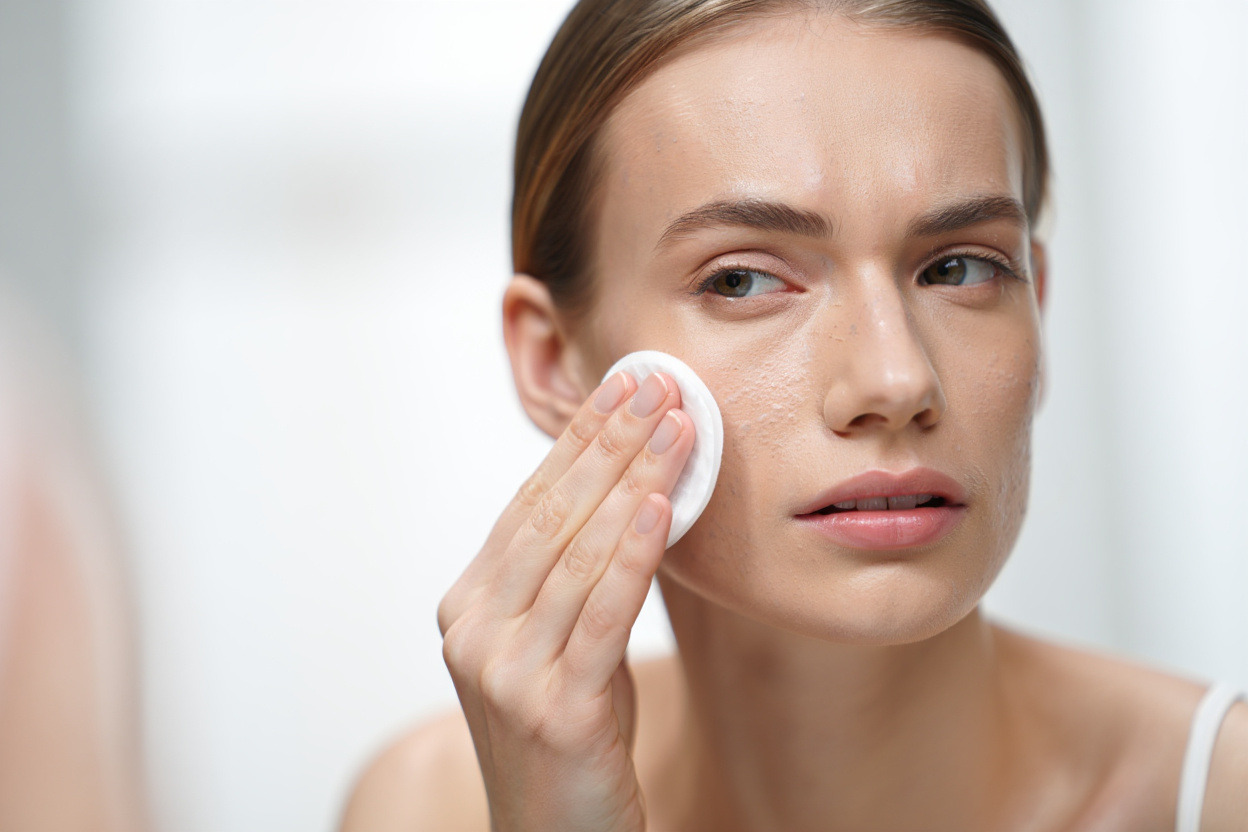

Oily skin still requires barrier-supportive skincare, even though heavier textures may feel uncomfortable. The key is to use lightweight, non-comedogenic formulations that maintain hydration, support the skin barrier, and help balance oil production without clogging pores.
Morning Skincare Routine for Oily Skin Barrier Support
- Gentle Gel Cleanser to Remove Excess Oil: Start with a mild gel-based cleanser designed to remove excess sebum, sweat, and impurities without over-drying the skin. Harsh cleansers can disrupt the skin barrier and trigger increased oil production.
- Lightweight Hydrating Serum for Oil-Prone Skin: Apply a lightweight serum containing ingredients such as hyaluronic acid, niacinamide, or beta-glucans. These ingredients provide hydration while supporting the skin barrier without adding heaviness.
- Lightweight Moisturiser for Balanced Hydration: Even oily skin requires moisturiser to maintain barrier function. Choose a gel-cream or lightweight lotion that includes ceramides, glycerin, or other barrier-supporting ingredients while remaining breathable and non-greasy.
- Broad-Spectrum Sunscreen for Daily Barrier Protection: Finish the morning routine with a lightweight broad-spectrum sunscreen. Daily UV protection helps prevent barrier damage and reduces the risk of irritation and inflammation.
Evening Skincare Routine for Oily Skin Balance and Repair
- Gentle Cleanser to Remove Sunscreen and Excess Sebum: Cleanse the skin with a non-stripping gel cleanser to remove sunscreen, oil buildup, and environmental impurities from the day.
- Balancing Serum with Niacinamide: Use a serum containing niacinamide to support barrier repair while helping regulate sebum production and reduce the appearance of enlarged pores.
- Lightweight Hydrating Moisturiser for Barrier Maintenance: Finish with a lightweight moisturiser containing ceramides and soothing ingredients to maintain hydration and reinforce the skin barrier overnight.
A Simple Barrier Repair Routine for Mature Skin
As skin ages, natural lipid production declines, which can weaken the skin barrier and increase susceptibility to dryness, irritation, and sensitivity. Barrier repair routines for mature skin typically emphasise deeper hydration and lipid replenishment, alongside ingredients that support skin resilience and elasticity.
Morning Skincare Routine for Mature Skin Barrier Support
- Gentle Hydrating Cleanser to Protect Natural Oils: Begin with a mild hydrating cleanser that removes impurities without stripping the skin’s natural oils. Maintaining these oils is essential for preserving barrier integrity in mature skin.
- Hydrating and Antioxidant Serum for Skin Resilience: Apply a serum containing hydrating and supportive ingredients such as hyaluronic acid, beta-glucans, or niacinamide. These ingredients help improve moisture levels, refine skin texture, and support overall barrier function.
- Barrier-Repair Moisturiser with Essential Lipids: Follow with a moisturising cream formulated with ceramides, fatty acids, and cholesterol. These lipids help replenish the skin’s natural barrier structure and reduce moisture loss throughout the day.
- Broad-Spectrum Sunscreen for Daily Skin Protection: Daily sun protection is critical for mature skin. Applying a broad-spectrum sunscreen helps protect against UV damage, which can weaken the skin barrier and accelerate visible signs of ageing.
Evening Skincare Routine for Mature Skin Repair and Hydration
- Gentle Cleansing to Remove Daily Impurities: Cleanse the skin with a mild cleanser to remove sunscreen, pollutants, and other impurities while preserving the skin’s protective barrier.
- Hydrating Serum for Overnight Moisture Support: Apply a hydrating serum containing ingredients such as panthenol, hyaluronic acid, or glycerin. These humectants help maintain hydration levels and support the skin’s natural overnight repair processes.
- Nourishing Moisturiser for Overnight Barrier Repair: Finish with a richer moisturiser that contains barrier-supporting lipids, including ceramides and fatty acids. These ingredients help replenish moisture and support skin recovery while you sleep.
How Long Does Skin Barrier Repair Take?
Restoring the skin barrier is a gradual process rather than an instant fix. Skin cells typically renew themselves approximately every four weeks, which means barrier repair can take time. For mild barrier disruption, noticeable improvements may appear within one to two weeks of adopting a gentle routine. More significant dryness or irritation may take three to six weeks to fully resolve.
In cases where the barrier has been weakened for a prolonged period, recovery can take two to three months of consistent care.
The most important factors that influence recovery include:
- choosing barrier-supportive ingredients
- maintaining a consistent skincare routine
- avoiding overly aggressive treatments
- protecting the skin from sun exposure
Patience is essential during this process. Over time, consistent hydration and lipid replenishment allow the skin barrier to rebuild its natural structure.
Conclusion: Healthy Skin Starts with a Strong Barrier
Repairing the barrier does not require an elaborate skincare routine. Instead, the focus should be on using ingredients that strengthen the skin’s natural protective layer and support hydration.When paired with gentle cleansing and consistent moisturising, they can help restore balance to the skin.
Whether your skin is dry, oily or mature, a simple routine built around hydration and barrier-supportive ingredients can make a noticeable difference over time. With patience and consistency, the skin barrier can rebuild itself—leading to calmer, healthier and more resilient skin in the long run.