


Inflammation is a natural and essential process in the body, helping to protect against injury and infection. However, when inflammation becomes chronic, it can contribute to a range of uncomfortable and often debilitating conditions, including joint pain, backache and rheumatism. For many people, these issues can significantly impact daily life, limiting mobility and reducing overall wellbeing.
In recent years, there has been growing interest in anti-inflammatory supplements and natural remedies for joint pain as alternatives or complements to conventional treatments. Rather than simply masking symptoms, these approaches aim to address the underlying causes of inflammation while supporting the body’s natural healing processes.
In this article, we explore the most effective vitamins, supplements and herbal remedies that may help reduce inflammation naturally. We will also look at lifestyle changes that can enhance their benefits, helping you take a more holistic approach to managing joint discomfort and improving long-term health.
What Is Inflammation and How Does It Affect Joint Health?
Inflammation is the body’s immune response to injury, infection or harmful stimuli. In the short term, it is beneficial—helping to repair damaged tissues and fight off pathogens. This is known as acute inflammation, and it typically resolves once healing is complete.
Chronic inflammation, however, is a different story. It occurs when the immune system remains active over a prolonged period, often due to factors such as poor diet, stress, lack of exercise or underlying health conditions. Over time, this persistent inflammation can damage healthy tissues, particularly in the joints.
This is where problems such as joint pain, stiffness and swelling begin to emerge. Conditions like rheumatism and arthritis are closely linked to chronic inflammation, as is ongoing backache caused by muscle tension and tissue irritation.
Common signs of chronic inflammation include:
- Persistent joint or muscle pain
- Swelling and stiffness
- Fatigue
- Reduced mobility
- Recurring discomfort in the lower back
Understanding this process is key to addressing the root cause rather than just the symptoms.
Why Choose Natural Remedies for Joint Pain and Inflammation?
While conventional medications can be effective, they may also come with side effects, particularly when used long term. Natural remedies offer a more holistic approach. When used correctly, they can:
- Support the body’s natural healing mechanisms
- Provide anti-inflammatory benefits with fewer side effects
- Improve overall health, not just joint function
- Be used alongside medical treatments (with professional guidance)
Another advantage is that many natural solutions—such as vitamins, herbs and dietary changes—work synergistically. This means they can complement one another, creating a broader and more sustainable impact on inflammation and pain.
Key Vitamins That Help Reduce Inflammation Naturally
Vitamin D for Immune Balance and Joint Support
Vitamin D plays a vital role in regulating the immune system, helping to prevent it from becoming overactive and triggering chronic inflammation. Low levels of this essential nutrient have been linked to increased inflammation, joint discomfort and a higher risk of conditions such as arthritis and rheumatism. It also supports calcium absorption, which is crucial for maintaining strong bones and reducing strain on the joints.
Studies suggest that for those experiencing joint pain or backache, ensuring adequate vitamin D levels may help improve overall musculoskeletal health. As sunlight is the primary source, supplementation is often recommended, particularly during the autumn and winter months in the UK when natural exposure is limited.
Vitamin C as a Powerful Antioxidant for Inflammation
Vitamin C is a potent antioxidant that helps combat oxidative stress, a key contributor to chronic inflammation. By neutralising free radicals, it protects cells and tissues from damage, including those within the joints.
In addition to its antioxidant properties, vitamin C is essential for collagen production. Collagen is a structural protein that supports cartilage, tendons and ligaments, helping to maintain joint strength and flexibility. Regular intake may therefore aid both in reducing inflammation and supporting long-term joint health.
Vitamin E for Protecting Joint Tissues
Vitamin E is another powerful antioxidant that plays a key role in protecting the body’s cells from oxidative damage. This protection extends to joint tissues, where inflammation can gradually wear down cartilage and lead to discomfort. By reducing oxidative stress, vitamin E may help slow this process and support overall joint function.
It also contributes to maintaining healthy cell membranes, which are essential for proper joint lubrication and mobility. When combined with other anti-inflammatory nutrients, vitamin E can form part of a comprehensive approach to managing joint pain and reducing inflammation naturally.
B Vitamins and Their Role in Reducing Inflammatory Stress
B vitamins, particularly B6, B9 (folate) and B12, are essential for energy production, nerve function and overall cellular health. They also play a role in regulating homocysteine levels, an amino acid that, when elevated, has been associated with increased inflammation and a higher risk of joint-related issues.
For individuals experiencing back pain or nerve-related discomfort, B vitamins may offer additional support by promoting healthy nerve signalling and reducing fatigue. Ensuring sufficient intake can help the body better manage stress and inflammation, contributing to improved comfort and mobility over time.
Top Anti-Inflammatory Supplements for Joint Pain Relief

Omega-3 Fatty Acids for Reducing Joint Inflammation
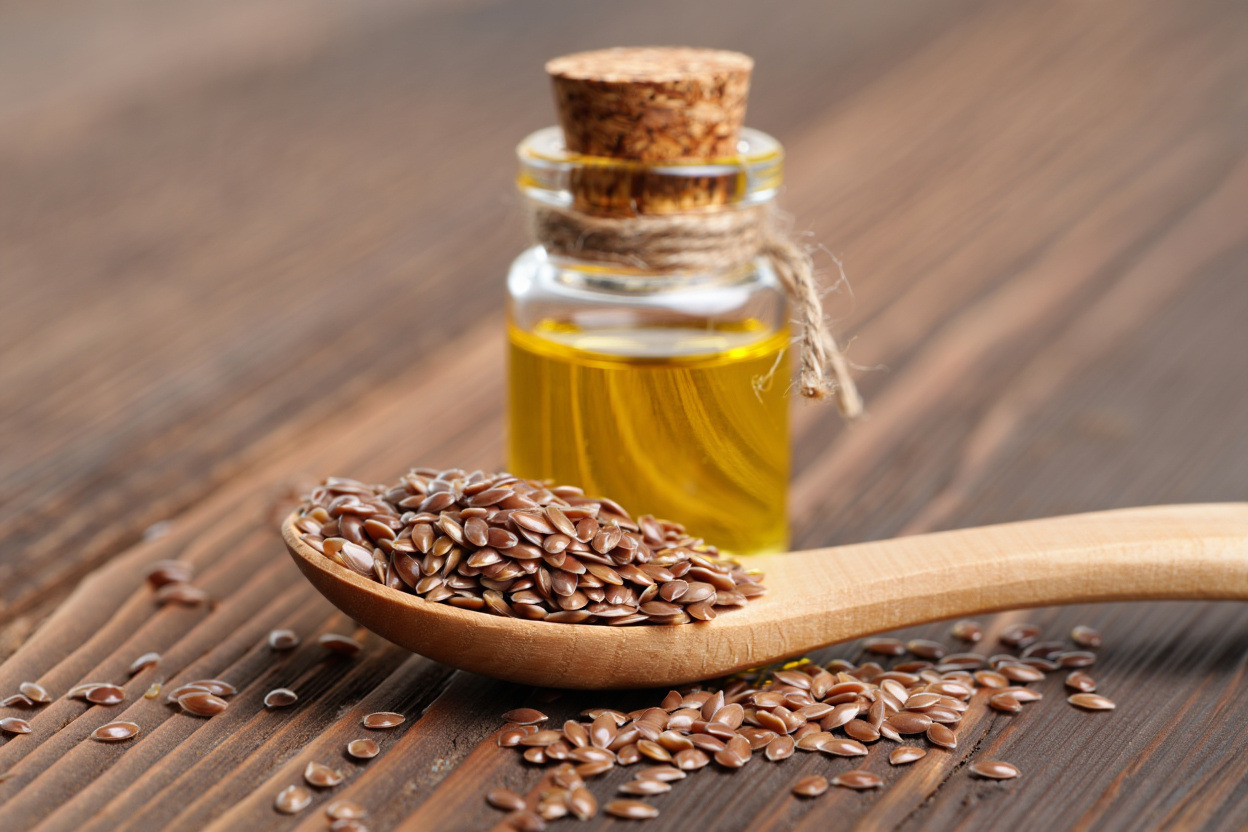
Omega-3 fatty acids are widely recognised for their strong anti-inflammatory properties, making them one of the most effective supplements for joint health. Found in fish oil, flaxseed and algae-based sources, they help reduce the production of inflammatory compounds in the body. This can lead to decreased joint swelling, stiffness and discomfort, particularly in individuals with chronic conditions such as arthritis.
Glucosamine and Chondroitin for Joint Health Support
Glucosamine and chondroitin are naturally occurring compounds found in cartilage, the tissue that cushions joints and allows smooth movement. As we age, levels of these compounds can decline, contributing to joint wear and tear. Supplementing with glucosamine and chondroitin may help support cartilage structure and slow its breakdown, and are commonly used to manage symptoms of osteoarthritis and other joint-related conditions.
Magnesium for Muscle Relaxation and Backache Relief
Magnesium is an essential mineral involved in hundreds of biochemical processes, including muscle function and nerve signalling. It plays a key role in helping muscles relax, which can be particularly beneficial for individuals experiencing tension-related backache or muscle stiffness linked to inflammation. Low magnesium levels have been associated with increased muscle cramps, tightness and discomfort. By supporting proper muscle relaxation and reducing inflammatory responses, magnesium supplementation may help ease back pain and improve overall physical comfort.
Collagen Supplements for Joint Repair and Flexibility
Collagen is a vital protein that provides structure to joints, tendons, ligaments and connective tissues. As natural collagen production declines with age, joints can become less flexible and more prone to discomfort. Regular use of collagen supplements may contribute to improved joint flexibility, reduced stiffness and enhanced overall mobility. This makes it particularly beneficial for those looking to maintain joint health, support recovery and reduce the impact of inflammation over time.
Herbal and Natural Remedies for Joint Pain and Rheumatism
Turmeric (Curcumin) as a Natural Anti-Inflammatory Remedy
Turmeric is one of the most widely recognised natural remedies for joint pain, thanks to its active compound, curcumin. Curcumin has powerful anti-inflammatory and antioxidant properties, helping to block molecules in the body that contribute to inflammation. This makes it particularly beneficial for those experiencing joint stiffness, swelling and discomfort linked to chronic conditions. It is often recommended to take curcumin with black pepper extract (piperine), which enhances absorption and allows the body to make better use of its therapeutic properties.
Ginger for Pain and Inflammation Relief
Ginger has long been used in traditional medicine as a natural remedy for inflammation and pain relief. It contains bioactive compounds that can help inhibit inflammatory pathways in the body, working in a similar way to some conventional anti-inflammatory medications but in a gentler, more natural form. Incorporating ginger into your routine, whether through supplements, teas or fresh root, may help reduce joint discomfort and muscle soreness.
Boswellia for Rheumatism and Joint Comfort
Boswellia, also known as Indian frankincense, is a herbal extract that has gained attention for its ability to support joint health and reduce inflammation. It works by inhibiting specific enzymes that drive the inflammatory process, making it especially useful for individuals with rheumatism and other chronic joint conditions. Studies suggest that Boswellia may help reduce pain, improve joint function and enhance mobility when taken regularly.
Devil’s Claw and Other Herbal Supplements for Pain Relief
Devil’s claw is a traditional herbal remedy often used to relieve joint pain, backache and inflammation. It contains compounds that may help reduce swelling and improve mobility, making it particularly useful for individuals dealing with chronic musculoskeletal discomfort.
In addition to devil’s claw, other herbal supplements such as willow bark and nettle have been used to support joint health. These remedies can offer mild but effective relief when used consistently, especially as part of a broader strategy that includes diet, lifestyle changes and other anti-inflammatory supplements.
Lifestyle Tips to Enhance the Effects of Anti-Inflammatory Supplements
Anti-Inflammatory Diet Basics
- Fruits and vegetables should form the foundation of an anti-inflammatory diet, as they are rich in antioxidants that help reduce inflammation in the body.
- Whole grains such as oats, brown rice and quinoa should be included regularly, as they provide fibre and nutrients that support overall health and help regulate inflammation.
- Healthy fats, particularly those found in oily fish, nuts and seeds, should be prioritised because they contain beneficial compounds that help lower inflammatory markers.
- Processed foods should be limited, as they often contain additives, unhealthy fats and refined ingredients that can contribute to increased inflammation.
- Refined sugars should be reduced where possible, as excessive sugar intake has been linked to heightened inflammatory responses in the body.
- Alcohol consumption should be kept moderate, as excessive intake can disrupt the body’s natural balance and promote inflammation over time.
Exercise and Movement for Joint Health
Regular movement is essential for maintaining joint flexibility and reducing stiffness. Low-impact activities such as walking, swimming and yoga are particularly beneficial. Exercise also helps improve circulation, which supports the delivery of nutrients to affected areas.
Weight Management and Its Impact on Joint Pain
Excess weight places additional strain on the joints, particularly the knees, hips and lower back. Maintaining a healthy weight can significantly reduce pressure and alleviate pain.
Stress Reduction and Sleep Quality
Chronic stress can increase inflammation levels in the body. Incorporating relaxation techniques such as meditation, deep breathing or gentle stretching can help. Quality sleep is equally important, as it allows the body to repair and recover.
Conclusion: Taking a Natural Approach to Managing Inflammation
Managing inflammation and its effects on the body requires a balanced and consistent approach. By incorporating anti-inflammatory supplements, essential vitamins and proven natural remedies for joint pain, it is possible to support joint health and reduce discomfort over time.
However, supplements alone are not a complete solution. Combining them with a healthy diet, regular exercise, stress management and good sleep habits can significantly enhance their effectiveness.
If you are struggling with joint pain, backache or rheumatism, taking a proactive and informed approach can make a meaningful difference. With the right combination of natural strategies, you can work towards improved mobility, reduced pain and a better quality of life.