


Every spring, conversations about immunity resurface. After months of grey skies, central heating and back-to-back seasonal bugs, many of us emerge into brighter days feeling depleted rather than revitalised. It’s no surprise that “immune boost” becomes one of the most searched wellness phrases at this time of year.
For decades, vitamin C has dominated the immune supplement conversation. And while it certainly plays a role in immune defence, it is far from the whole story. The immune system is not a single switch that can be flicked on with a fizzy tablet. It is a complex, highly regulated network involving nutrients, sleep, gut health, stress levels and hormonal balance.
This spring, it’s worth broadening the lens. Instead of chasing one hero nutrient, we’ll explore the lesser-discussed — yet often more impactful — supplements that support immune resilience in a smarter, more targeted way.
Why Spring Is a Critical Time for Immune Support
Post-Winter Immune Dip
By the time March and April arrive in the UK, many people are running on empty. Winter typically brings:
- Reduced sunlight exposure
- Lower vitamin D levels
- Less fresh, seasonal produce
- Increased time spent indoors
- Higher exposure to circulating viruses
Vitamin D status, in particular, tends to be at its lowest at the end of winter. Since this nutrient plays a key regulatory role in immune function, suboptimal levels can leave the immune system less responsive and less balanced. Add to that winter fatigue, disrupted sleep and heavier comfort-food diets, and it becomes clear why early spring can feel like an immune “hangover”.
Spring-Specific Challenges
Spring also introduces new immune stressors:
- Seasonal allergies and histamine responses
- Fluctuating temperatures
- Increased social activity and travel
- A sudden shift in daily routines
Interestingly, hay fever is not a sign of a weak immune system, but rather an overreactive one. This distinction highlights why immune regulation — not simply stimulation — is the real goal.
The Immune System: A Practical Refresher
Innate vs Adaptive Immunity
Your immune system has two primary arms:
- Innate immunity: your first line of defence, responding quickly to invaders.
- Adaptive immunity: a more specialised response that develops memory over time.
Both rely on adequate nutrient availability. Immune cells replicate rapidly during infections, and this process demands vitamins, minerals and amino acids.
The Role of Inflammation
Inflammation is not inherently bad. Acute inflammation helps fight infections and repair tissue. However, chronic low-grade inflammation — often driven by stress, poor sleep and diet — can impair immune regulation.
Why “Boosting” Isn’t the Right Goal
The term “immune boosting” is misleading. An overactive immune system contributes to allergies and autoimmune conditions. What most people actually need is:
- Better immune regulation
- Efficient pathogen response
- Reduced unnecessary inflammation
That requires more nuance than high-dose vitamin C alone.
Beyond Vitamin C: The Most Overlooked Immunity Supplements
Vitamin D for Immune Function: Why Spring Is Peak Deficiency Season in the UK
By early spring, vitamin D levels in the UK population are often at their lowest. Limited UVB exposure between October and March means the body cannot synthesise adequate amounts from sunlight alone. Vitamin D is not just a bone-health nutrient; it plays a central role in immune regulation. It influences antimicrobial peptide production, supports innate immune defence and helps prevent excessive inflammatory responses.
Because deficiency is common, testing through a GP or reputable private provider can be worthwhile before initiating higher-dose supplementation. Maintenance intakes typically range from 800–2,000 IU daily for adults, though requirements vary based on baseline levels, body composition and sun exposure.
Zinc for Immune Defence: Essential Mineral for Infection Resistance and Recovery
Zinc is a trace mineral required for the development and communication of immune cells. Even marginal deficiency can impair immune signalling, delay wound healing and prolong recovery from common infections. Unlike some nutrients, the body does not store significant amounts of zinc, meaning consistent dietary intake is essential.
Red meat, shellfish, seeds and legumes are primary food sources, yet bioavailability varies. Phytates in plant-based diets can reduce zinc absorption, placing vegetarians and vegans at slightly higher risk of insufficiency. Supplemental forms such as zinc picolinate or zinc citrate are generally better absorbed than zinc oxide. However, long-term high dosing can interfere with copper balance, so moderation is important. Used strategically during periods of high stress or seasonal illness, zinc can meaningfully support immune competence without overstimulating inflammatory pathways.
Probiotics for Immune Health: Strengthening the Gut–Immune Axis
The microbiome interacts continuously with immune cells, shaping inflammatory tone and pathogen response. Disruption to microbial diversity — whether through antibiotics, chronic stress or a low-fibre diet — can weaken immune regulation. Targeted probiotic supplementation may help restore balance, but strain specificity is critical.
Research has identified particular Lactobacillus and Bifidobacterium strains that support respiratory and general immune health. Broad, high-quality formulations providing clinically studied strains and adequate colony-forming units (CFUs) are preferable to generic blends. That said, probiotics work best alongside dietary fibre intake, which feeds beneficial bacteria. For individuals experiencing recurrent infections or post-antibiotic imbalance, supporting the gut microbiota may be one of the most strategic — and underestimated — ways to enhance immune resilience this spring.
Beta-Glucans for Trained Immunity: Natural Compounds with Emerging Evidence
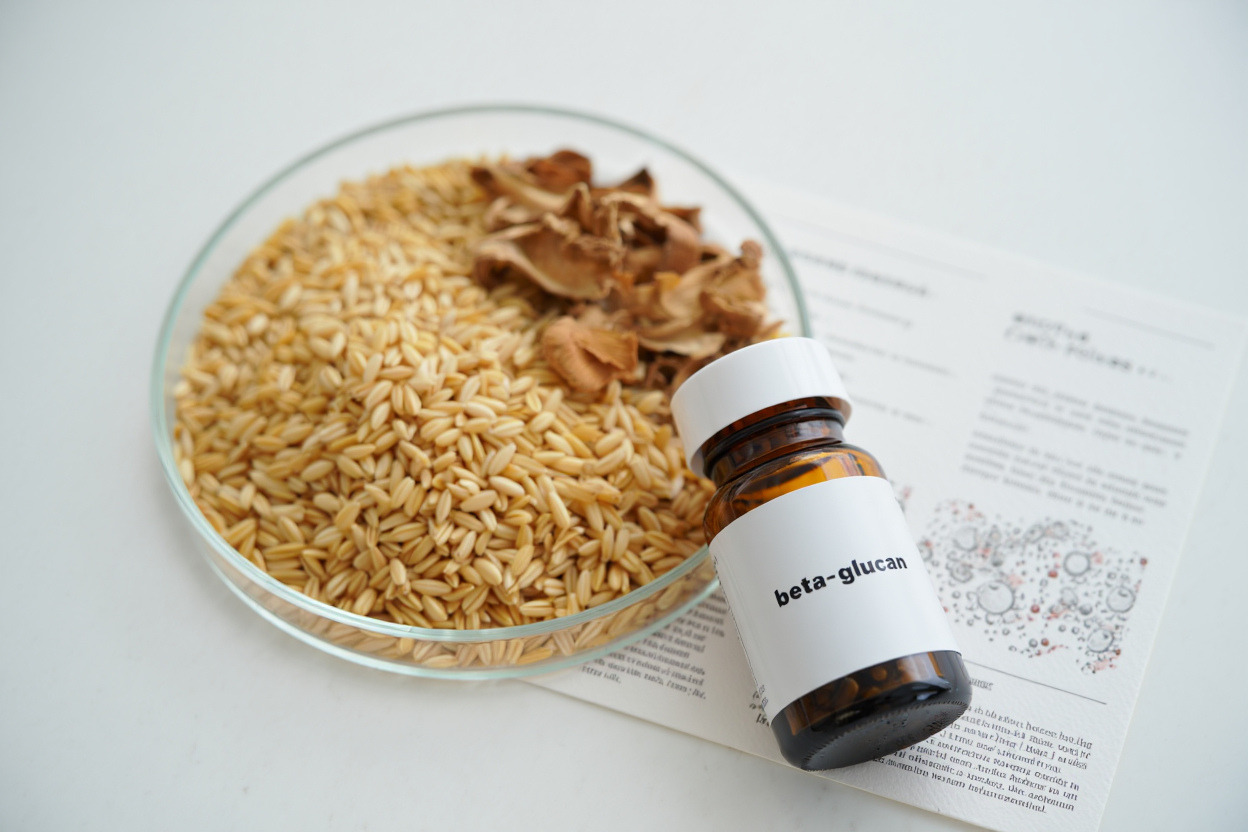

Beta-glucans are biologically active polysaccharides found in oats, baker’s yeast and certain fungi. They are gaining attention for their ability to influence “trained immunity” — a process by which innate immune cells respond more efficiently to future challenges after initial exposure to specific compounds.
Rather than stimulating the immune system indiscriminately, beta-glucans appear to enhance preparedness at the cellular level. Some clinical studies suggest they may reduce the frequency or duration of upper respiratory tract infections, particularly in individuals under physical or psychological stress. The source and purity of beta-glucans matter significantly, as molecular structure affects biological activity. Supplements derived from yeast cell walls are commonly used in research settings. For those seeking an evidence-informed addition beyond traditional vitamins, beta-glucans represent a promising and often overlooked option in the immune-support toolkit.
Quercetin for Immune Balance and Seasonal Allergy Support
Quercetin is a naturally occurring flavonoid found in apples, onions and berries, valued for both its antioxidant and anti-inflammatory properties. What makes quercetin particularly relevant in spring is its potential role in stabilising mast cells, which release histamine during allergic reactions.
For individuals dealing with hay fever, this dual action is compelling. Quercetin may help modulate excessive immune reactivity while simultaneously supporting antiviral defence mechanisms. Unlike conventional antihistamines, it does not typically cause drowsiness, though responses vary between individuals. Bioavailability can be a limiting factor, so some formulations combine quercetin with compounds such as bromelain to enhance absorption.
While not a standalone solution for allergies or infections, quercetin may offer complementary support for those navigating the intersection of seasonal allergies and immune resilience during the spring months.
Selenium for Antioxidant Protection and Immune Cell Integrity
Selenium is an essential trace element required for the production of key antioxidant enzymes that protect immune cells from oxidative damage. UK soil levels are relatively low in selenium compared with some other regions, which can affect dietary intake. While Brazil nuts are a concentrated source, intake can be inconsistent. Low-dose supplementation may help support optimal levels, particularly for those consuming limited animal products.
However, selenium has a narrow therapeutic window, and excessive intake can be harmful. When used judiciously, selenium contributes to maintaining immune cell integrity and balanced inflammatory responses, making it a quiet but important player in overall immune function.
Medicinal Mushrooms for Immunomodulation: Reishi, Shiitake and Maitake Explained
Medicinal mushrooms such as reishi, shiitake and maitake contain beta-glucans and other bioactive compounds that interact with immune receptors. These fungi are often described as immunomodulatory, meaning they may help balance immune responses rather than simply amplifying them:
- Reishi is traditionally associated with stress resilience and inflammatory balance.
- Shiitake and maitake have been studied for their effects on innate immune cell activation.
Extract quality is crucial; standardised extracts specifying beta-glucan content are preferable to basic powdered mushroom products. Although research continues to evolve, these compounds appear to influence cytokine signalling and immune surveillance in nuanced ways.
Lifestyle Factors That Make Supplements Work Better
Sleep and Immune Resilience: Why Quality Rest Amplifies Supplement Benefits
Chronic sleep restriction elevates inflammatory markers, creating the very imbalance many immunity supplements are designed to correct. Even the most carefully selected combination of vitamin D, zinc or probiotics cannot compensate for ongoing sleep deprivation.
To strengthen immune resilience alongside supplementation:
- Aim for 7–9 hours of consistent, high-quality sleep nightly
- Maintain regular sleep and wake times, even at weekends
- Limit blue light exposure in the hour before bed
- Keep the bedroom cool, dark and quiet
When sleep is prioritised, supplements function as intended — supporting, rather than attempting to rescue, immune balance.
Protein Intake and Immune Cell Production: The Overlooked Nutritional Foundation
The immune system is built from protein. Antibodies, immune cells and many signalling molecules are composed of amino acids derived from dietary protein. Yet many adults — particularly those restricting calories or following unbalanced diets — may not meet optimal daily protein needs. Without adequate protein, micronutrients such as zinc and selenium cannot be fully utilised, as transport proteins and enzymes depend on sufficient amino acid availability.
To optimise immune-supportive supplementation:
- Include a high-quality protein source at each main meal
- Distribute protein evenly across the day for steady amino acid supply
- Consider needs may rise during illness or intense stress
- Choose varied sources such as eggs, fish, poultry, dairy, legumes and tofu
A robust protein foundation ensures immune nutrients have the structural support required to perform effectively.
Stress Management and Cortisol Control: Protecting Immune Balance
Chronic stress exerts a measurable physiological effect on immunity. Stress influences gut permeability and microbiome diversity, indirectly altering immune signalling. A body in a constant “fight or flight” state is less responsive to immune-supportive nutrients and more prone to imbalance.
To support immune regulation in conjunction with supplementation:
- Incorporate moderate, regular physical activity
- Practise breathwork or mindfulness techniques daily
- Prioritise restorative downtime without digital distraction
- Spend time outdoors to reduce physiological stress load
Lowering chronic stress allows immune supplements to work synergistically with the body’s natural regulatory systems rather than counteracting stress-driven suppression.
Natural Light Exposure and Circadian Rhythm: Aligning Immunity with Spring
Immune activity follows circadian rhythms, with certain immune cells more active at specific times of day. Morning light exposure plays a key role in synchronising the body clock, influencing hormone production, sleep quality and inflammatory balance. After a winter of limited daylight, circadian disruption can linger into spring, affecting both energy and immune coordination. As UVB levels gradually increase, natural light additionally contributes to vitamin D synthesis.
To reinforce supplementation strategies this spring:
- Spend 10–20 minutes outdoors in natural morning light
- Avoid bright artificial light late at night
- Maintain consistent daily routines to stabilise circadian timing
- Combine daylight exposure with gentle outdoor movement
Aligning circadian rhythm enhances the body’s responsiveness to nutrients such as vitamin D and medicinal mushrooms, supporting more precise immune regulation.
Conclusion
Spring is often framed as a fresh start — and your immune system may benefit from one too. Instead of relying solely on vitamin C, consider the broader ecosystem that shapes immune resilience: vitamin D status, zinc levels, gut health, stress management and sleep quality.
True immune support isn’t about pushing the system harder. It’s about equipping it properly and allowing it to function with precision. This season, aim for balance, not hype. A thoughtful, evidence-informed approach will serve your health far better than any quick-fix “boost” ever could.