


High cholesterol affects millions of adults in the UK, and it's often described as a "silent" problem - you can't feel it, but over time it can quietly increase your risk of heart disease and stroke. While medication remains the frontline treatment for many people, there's growing interest in how diet, gut health and targeted supplements can play a supporting role. In particular, probiotics, fibre and specific vitamins have all been linked to healthier cholesterol levels. In this article, we'll explore what the science says about each of these three pillars, and how they might fit into a balanced approach to heart health.
What Is Cholesterol and Why Does It Matter for Your Health?
Cholesterol is a waxy, fat-like substance found in every cell of your body. It's essential for building healthy cells, producing hormones and making vitamin D, and your liver produces all the cholesterol you actually need. The trouble starts when cholesterol levels - particularly certain types - become too high, as this can lead to a build-up of fatty deposits in your arteries.
LDL vs HDL: Understanding "Bad" and "Good" Cholesterol
Cholesterol travels through your bloodstream attached to proteins called lipoproteins, and the two you'll hear about most are LDL and HDL:
- Low-density lipoprotein (LDL) is often labelled "bad" cholesterol because high levels can lead to plaque build-up in the arteries, narrowing them and restricting blood flow.
- High-density lipoprotein (HDL), on the other hand, is considered "good" cholesterol because it helps carry excess cholesterol back to the liver, where it's broken down and removed from the body.
The goal for most people is to keep LDL levels in check while maintaining healthy HDL levels.
What Causes High Cholesterol Levels?
A number of factors can contribute to high cholesterol, and not all of them are within our control. Diet plays a significant role, particularly a high intake of saturated and trans fats, but genetics, age, being overweight, smoking and a lack of physical activity can all push cholesterol levels in the wrong direction too. Certain health conditions, such as diabetes and hypothyroidism, can also affect how your body processes cholesterol. Understanding these underlying causes is a useful starting point before looking at how probiotics, fibre and vitamins might help.
Can Probiotics Help Lower Cholesterol Naturally?
Probiotics are live bacteria and yeasts that offer benefits when consumed, most commonly associated with digestive health. But research increasingly suggests that a healthy gut microbiome may also influence how your body manages cholesterol.
How Gut Bacteria Influence Cholesterol Metabolism
Your gut is home to trillions of bacteria that do far more than aid digestion. Some strains of beneficial bacteria are thought to help break down bile acids in the gut, which are made from cholesterol. When bile acids are broken down and excreted rather than reabsorbed, the liver needs to draw on more cholesterol from the bloodstream to produce new bile acids, potentially lowering circulating LDL cholesterol as a result. Certain probiotic strains may also help reduce the absorption of cholesterol in the intestines.
Best Probiotic Strains for Cholesterol Support
Cholesterol benefits appear to be strain-specific rather than a general effect of "good bacteria." Research has focused on a handful of well-studied strains, each with slightly different evidence behind it, so it's worth knowing what to look for on a supplement label rather than choosing a probiotic at random:
- Lactobacillus reuteri – One of the most widely studied strains for cholesterol, with clinical trials linking it to reductions in LDL cholesterol, sometimes alongside modest improvements in total cholesterol.
- Lactobacillus plantarum – Shown in several studies to help lower LDL cholesterol, potentially by reducing cholesterol absorption in the gut and supporting bile acid breakdown.
- Lactobacillus acidophilus – A well-researched probiotic strain associated with improvements in overall lipid profiles when taken as part of a fermented food or supplement routine.
- Bifidobacterium longum – Studied for its potential to support healthy cholesterol metabolism and contribute to a more balanced gut microbiome.
- Bifidobacterium bifidum – Often included in multi-strain probiotic formulas, with early research suggesting a supporting role in cholesterol and general digestive health.
Probiotic-Rich Foods vs Supplements: Which Is More Effective?
You don't necessarily need a supplement to introduce more probiotics into your diet. Fermented foods such as live yoghurt, kefir, sauerkraut and kimchi all contain beneficial bacteria, and many people find these easy to incorporate into daily meals. Supplements, however, offer the advantage of a guaranteed, measured dose of specific strains that have been studied for cholesterol support, which can be harder to achieve through food alone. For those with particular cholesterol goals, a high-quality supplement may offer more consistency, though a combination of both is often a sensible approach.
The Role of Fibre in Managing Cholesterol Levels
Fibre has long been recognised as one of the most effective dietary tools for managing cholesterol, and the evidence here is particularly strong.
Soluble Fibre and Its Effect on LDL Cholesterol
Soluble fibre dissolves in water to form a gel-like substance in the digestive tract. This gel binds to cholesterol and bile acids, helping to remove them from the body before they can be absorbed into the bloodstream. As a result, the liver needs to use more cholesterol to produce new bile acids, drawing it from circulation and helping to lower LDL levels over time. Studies suggest that consistent intake of soluble fibre can lead to a modest but meaningful reduction in LDL cholesterol.
Top Fibre-Rich Foods and Supplements
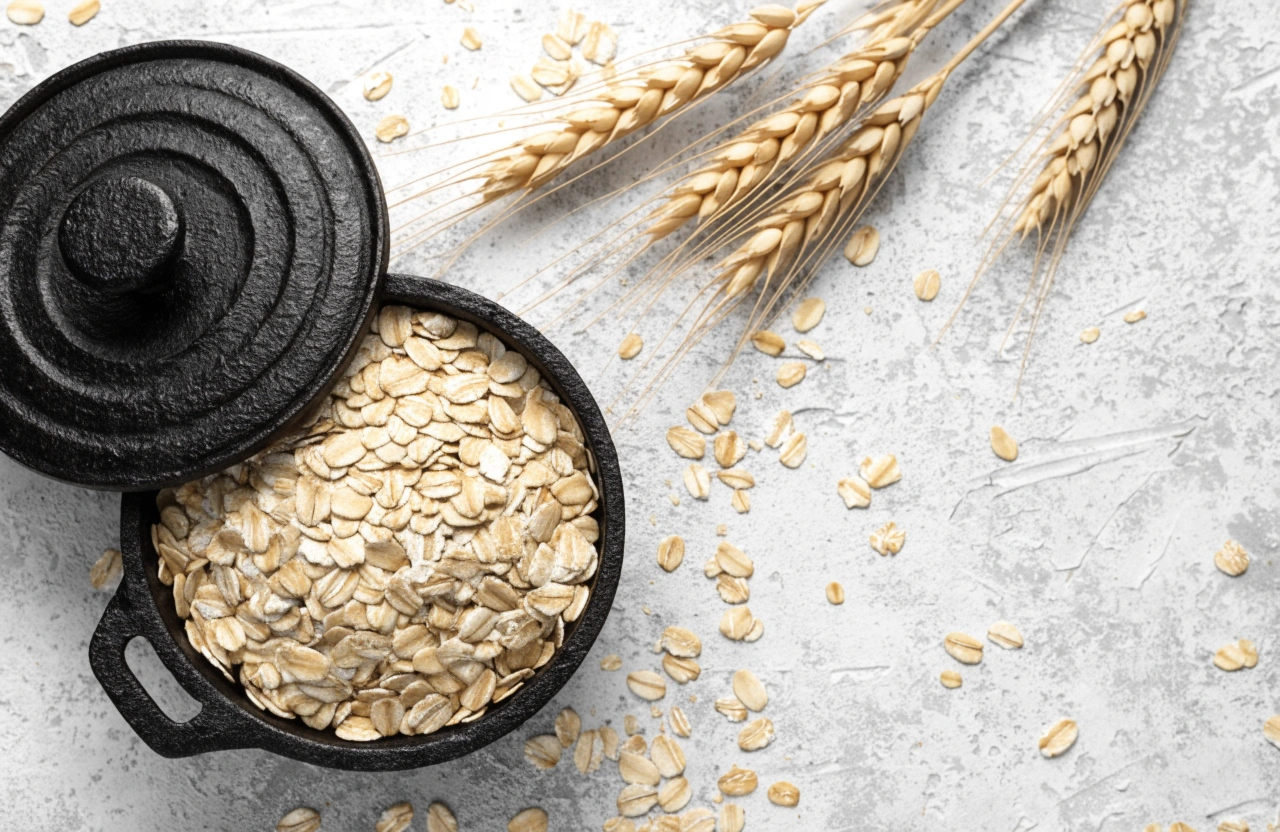

Oats are one of the most well-known sources of soluble fibre, thanks to their beta-glucan content, and a daily bowl of porridge is a simple way to boost intake. Other good sources include barley, beans, lentils, apples and citrus fruits, all of which can be worked into meals fairly easily throughout the day. For those who struggle to get enough through diet alone, a range of fibre supplements are widely available, each offering a slightly different type of soluble fibre and level of concentration:
- Psyllium husk – Derived from the seeds of the Plantago ovata plant, psyllium is one of the most popular fibre supplements, available as a powder or capsule, and known for forming a particularly effective gel that binds to cholesterol and bile acids.
- Beta-glucan – Extracted from oats or barley, beta-glucan supplements offer a concentrated dose of the same soluble fibre found in porridge, making them a convenient option for those who don't eat oats regularly.
- Inulin and oligofructose – These prebiotic fibres, often derived from chicory root, aren't just linked to cholesterol support but may also help feed beneficial gut bacteria, complementing the probiotic strains discussed earlier in this article.
- Pectin– Commonly found in apples and citrus fruits and also available in supplement form, pectin has been shown in some studies to help lower LDL cholesterol as part of a fibre-rich diet.
How Much Fibre Do You Need Daily for Cholesterol Support?
Adults in the UK are generally advised to aim for around 30g of fibre per day, though most people fall short of this target. Of that, health bodies often recommend that a good proportion comes from soluble fibre specifically, given its more direct link to cholesterol management. Increasing fibre intake gradually, alongside plenty of water, can also help avoid digestive discomfort as your body adjusts.
Key Vitamins and Nutrients That Support Healthy Cholesterol
Beyond probiotics and fibre, several vitamins and nutrients have been studied for their potential role in supporting healthy cholesterol levels.
Niacin (Vitamin B3) and Its Cholesterol-Lowering Effects
Niacin, or vitamin B3, has been used for decades to help manage cholesterol, and at higher doses it's been shown to raise HDL cholesterol while lowering LDL and triglycerides. However, high-dose niacin is typically only available on prescription in the UK due to potential side effects, including flushing and, in rare cases, liver problems. Lower doses obtained through diet or standard supplements are generally safe but unlikely to have the same dramatic effect, so anyone considering niacin specifically for cholesterol should speak to a healthcare professional first.
Omega-3 Fatty Acids and Triglyceride Management
Omega-3 fatty acids, found in oily fish such as salmon, mackerel and sardines, as well as in fish oil supplements, are well known for their heart health benefits. While omega-3s don't have a dramatic effect on LDL cholesterol, they're particularly effective at lowering triglycerides, another type of fat in the blood that's linked to cardiovascular risk. Omega-3s may also support HDL cholesterol levels and have broader anti-inflammatory benefits for the cardiovascular system.
Plant Sterols and Stanols Explained
Plant sterols and stanols are naturally occurring compounds found in small amounts in vegetable oils, nuts, seeds and grains. Structurally similar to cholesterol, they work by blocking its absorption in the gut, meaning less cholesterol makes its way into the bloodstream. Many fortified foods, such as certain spreads and yoghurt drinks, now contain added plant sterols, and studies suggest that consuming around 2g per day can lead to a measurable reduction in LDL cholesterol within a few weeks.
CoQ10: Supporting Healthy Cholesterol Levels Alongside Statins
Coenzyme Q10 (CoQ10) is a compound naturally produced by the body that plays a key role in energy production within cells, and it's particularly concentrated in heart tissue. While CoQ10 isn't proven to directly lower cholesterol, it's often taken by people on statin medication, as statins can reduce the body's natural CoQ10 levels. Some people report that supplementing with CoQ10 helps offset statin-related muscle aches, though it's worth discussing with a GP before combining it with any prescribed medication.
Combining Probiotics, Fibre and Vitamins for Best Results
Rather than relying on a single supplement, many nutritionists suggest that a combined approach is likely to be more effective for supporting healthy cholesterol.
Building a Cholesterol-Friendly Daily Supplement Routine
A sensible routine might include a soluble fibre supplement such as psyllium husk with breakfast, an omega-3 or fish oil supplement with a meal to aid absorption, and a probiotic supplement taken consistently, ideally at the same time each day. Plant sterol-fortified foods can be worked into meals throughout the day, while CoQ10 is typically best suited to those already taking statins, under medical guidance.
Lifestyle Factors That Enhance Cholesterol Supplement Effectiveness
Supplements work best as part of a wider healthy lifestyle rather than in isolation. Regular physical activity, such as brisk walking or cycling, has been shown to help raise HDL cholesterol, while reducing saturated fat intake and maintaining a healthy weight can support LDL reduction. Good sleep and stress management also play a role in overall cardiovascular health, and cutting back on smoking and alcohol can further support your efforts.
Are Cholesterol Supplements Safe? What to Know Before You Start
While many cholesterol-supporting supplements are generally well tolerated, it's important to approach them thoughtfully, particularly if you're already managing high cholesterol through other means.
Possible Interactions with Cholesterol Medications
Some supplements can interact with cholesterol-lowering medications such as statins. Niacin, in particular, should be used with caution alongside statins due to an increased risk of muscle-related side effects. Fibre supplements can also affect the absorption of certain medications if taken too close together, so it's often recommended to space them out by a couple of hours.
When to Speak to a GP or Pharmacist
If you're currently taking cholesterol medication, have an existing health condition, or are pregnant or breastfeeding, it's important to speak to a GP or pharmacist before starting any new supplement. They can advise on appropriate doses, potential interactions and whether a supplement is likely to be genuinely beneficial for your individual circumstances.
Conclusion
Managing high cholesterol is about building a collection of small, sustainable habits that work together. The evidence suggests that probiotics, soluble fibre and key nutrients like omega-3s and plant sterols can each play a meaningful supporting role, whether by helping your gut break down bile acids, binding cholesterol in the digestive tract, or blocking its absorption. None of these are a substitute for medication or medical advice, but as part of a broader cholesterol-friendly lifestyle - alongside regular activity, a balanced diet and healthy weight management - they may help you take more control of your heart health.
This article is for general informational purposes only and does not constitute medical advice. Always consult a GP, pharmacist or other qualified healthcare professional before starting any new supplement, particularly if you are taking medication, pregnant, breastfeeding, or managing an existing health condition.