


Few things feel better than freshly waxed skin—smooth, soft, and ready to glow. But anyone who’s ever dealt with those annoying little bumps a few days later knows that post-wax skincare isn’t something to skip. Ingrown hairs, irritation, and dryness can quickly dull that silky-smooth feeling if you don’t treat your skin with a little TLC afterward.
With the right combination of exfoliation, hydration, and soothing skincare habits, you can keep your skin healthy, comfortable, and beautifully smooth between waxing sessions. In this complete post-wax care guide, we’ll walk you through everything from what causes ingrown hairs to the best at-home treatments and pro-level tips to maintain your glow.
Why Proper Skincare After Waxing Matters
Your skin goes through a mini transformation during waxing. The process removes not only hair but also some dead skin cells, temporarily exposing fresh new layers underneath. This leaves the skin more vulnerable to bacteria, irritation, and inflammation.
That’s why a gentle, consistent post-wax routine is so important. It keeps pores clean, prevents clogged follicles, and soothes any redness or sensitivity. Proper aftercare doesn’t just make your skin look better—it helps it recover faster, extends that smooth feeling between waxes, and reduces the risk of ingrown hairs.Your skin goes through a mini transformation during waxing. The process removes not only hair but also some dead skin cells, temporarily exposing fresh new layers underneath. This leaves the skin more vulnerable to bacteria, irritation, and inflammation.
Understanding Ingrown Hairs
An ingrown hair occurs when a new hair grows back into the skin instead of outward through the surface. The result can be redness, irritation, and sometimes painful bumps that look similar to acne. After waxing, the hair follicle is empty for a while, and when regrowth begins, it can get trapped beneath layers of dead skin if you’re not exfoliating properly.
Other culprits include tight clothing that causes friction, skipping moisturiser, or using harsh products that dry out the skin. Areas like the bikini line, underarms, legs, and even the face are especially prone because the hair tends to be thicker or curlier.
By understanding how and why ingrown hairs form, you can target prevention instead of just treating the problem later.
Step-by-Step Post-Wax Skincare Routine
Step 1: Soothe Immediately After Waxing
Right after your wax, your skin needs calm and comfort. Apply a cooling, fragrance-free gel or lotion—aloe vera, chamomile, or witch hazel are all great options. These ingredients reduce redness and soothe inflammation.
Avoid alcohol-based toners, perfumed creams, or heavy oils right away, as these can clog pores or sting freshly waxed skin. If you’ve waxed at home, apply a thin layer of a post-wax balm and let your skin rest for at least 24 hours before exfoliating or using any active ingredients.
Step 2: Cleanse Gently
Your skin might feel sensitive for a day or two, so skip your usual strong body wash or exfoliating cleanser. Use a mild, pH-balanced, fragrance-free cleanser and lukewarm water. Avoid hot showers or scrubbing, which can cause irritation.
Gently pat your skin dry with a clean towel—no rubbing! This keeps the skin barrier intact and prevents unnecessary friction that could lead to bumps.
Step 3: Exfoliate Regularly (After 48–72 Hours)
Exfoliation is your best friend when it comes to preventing ingrown hairs. Once your skin has calmed down, gently exfoliate the waxed area every two to three days. This helps remove dead skin cells and keeps new hairs from getting trapped under the surface.
Opt for gentle exfoliants like sugar scrubs, glycolic acid pads, or lactic acid lotions. If you prefer a more natural route, dry brushing or using a soft exfoliating mitt works wonderfully too. Remember—less is more. Over-exfoliating can strip your skin and cause irritation. Stick to a schedule that keeps your skin smooth without overdoing it.
Step 4: Hydrate and Moisturise Daily
Hydration is key to keeping your skin soft and flexible, which allows hair to grow out freely rather than curling inward. After exfoliating, apply a lightweight, non-comedogenic moisturiser rich in ingredients like shea butter, jojoba oil, or ceramides.
If your skin tends to be dry, add a drop of natural oil like sweet almond or argan oil on top for an extra hydration boost. And don’t forget to hydrate from the inside too—drink plenty of water throughout the day for overall skin health.
Step 5: Maintain Good Hygiene and Clothing Choices
For at least 24–48 hours after waxing, wear loose, breathable clothing. Tight jeans, leggings, or synthetic fabrics can cause friction that irritates freshly waxed skin and contributes to ingrown hairs. Keep the area clean and dry—especially the bikini line or underarms—to prevent bacterial buildup. If you sweat, rinse gently with cool water and reapply a soothing lotion.
Best Skincare Ingredients to Prevent Ingrown Hairs
Choosing the right ingredients in your post-wax products can make a huge difference in preventing ingrown hairs, calming irritation, and maintaining a smooth, even texture. Look for formulas that gently exfoliate, keep pores clear, and support the skin barrier as it heals. Below are some of the most effective ingredients to include in your post-wax routine.
Salicylic Acid: Deep Pore Cleansing and Prevention
Salicylic acid is one of the most recommended ingredients for preventing ingrown hairs. As a beta hydroxy acid (BHA), it works by penetrating deep into the pores, dissolving dead skin cells, and clearing away excess oil and debris. This helps hair grow out naturally instead of curling back under the skin. Regular use of a gentle salicylic acid lotion or pad can reduce the buildup that often leads to bumps and rough texture—especially in areas like the bikini line or underarms.
Tea Tree Oil: Natural Antibacterial Protection
Tea tree oil is a powerhouse natural remedy for freshly waxed skin. Known for its antibacterial and anti-inflammatory properties, it helps minimise the risk of infection while soothing redness or irritation. Studies show that tea tree oil has good antimicrobial and anti-inflammatory effects, making it a useful adjunct in skin-care formulas for calming irritated skin. A few drops of diluted tea tree oil in a carrier oil or aloe-based gel can work wonders on sensitive skin, keeping it clean and calm.
Aloe Vera: Ultimate Skin Soother
If your skin feels tender after waxing, aloe vera is your best friend. This natural hydrator cools and comforts the skin instantly while reducing redness and inflammation. Aloe’s lightweight gel texture also locks in moisture without clogging pores, making it perfect for daily post-wax care.
Glycolic Acid and Niacinamide: Renew and Strengthen
Glycolic acid, an alpha hydroxy acid (AHA), gently resurfaces the skin, lifting away dead cells to reveal a smoother, brighter texture. It helps prevent hair from becoming trapped under buildup, reducing the likelihood of ingrown hairs. Niacinamide, on the other hand, strengthens the skin barrier, balances oil production, and minimises redness—creating a healthy environment for smooth regrowth.
Patch Testing for Safety
Even the most soothing ingredients can cause reactions on freshly waxed skin, so always perform a patch test first. Apply a small amount of product to an inconspicuous area and wait 24 hours to check for irritation. This simple step ensures your skin stays happy, healthy, and bump-free after every waxing session.
DIY Home Remedies for Ingrown Hair and Natural Alternatives
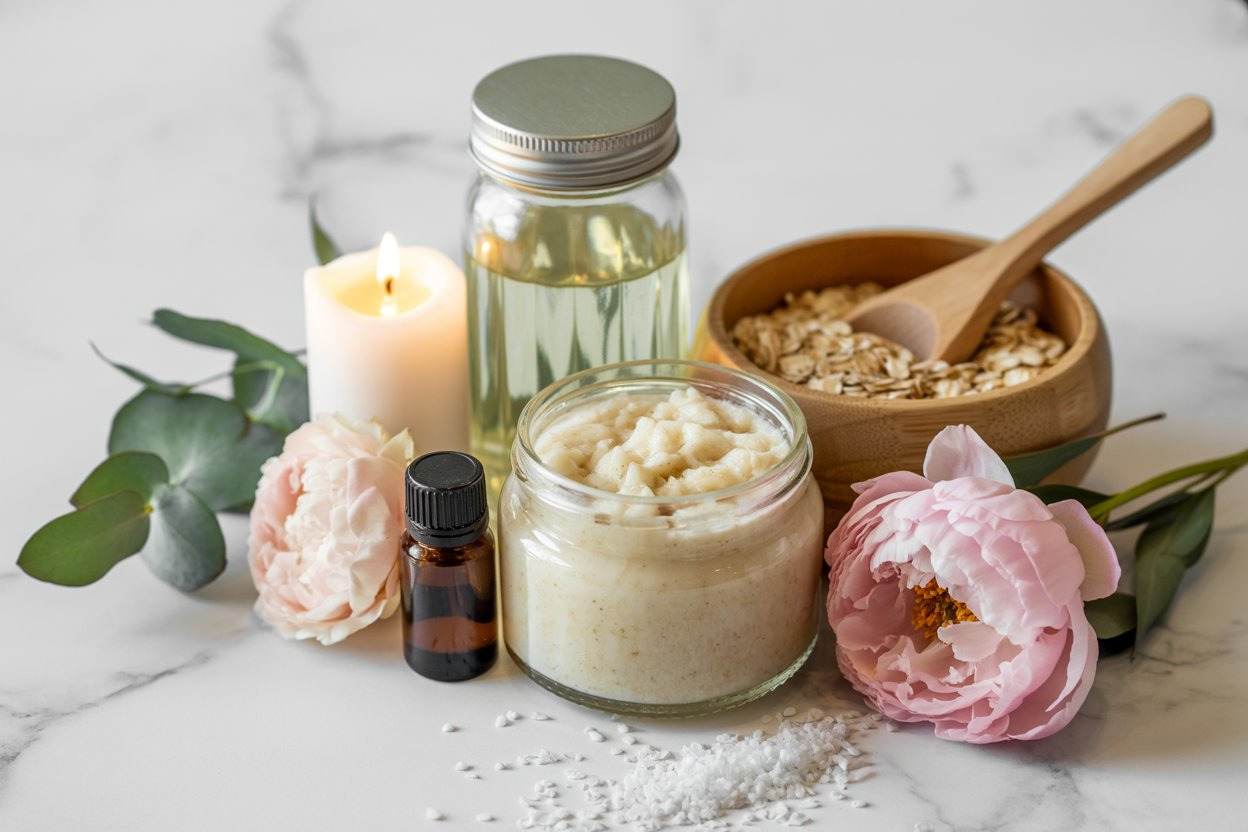

If you’re someone who loves turning skincare into a relaxing ritual, DIY post-wax care is the perfect opportunity to treat your skin while indulging in a bit of self-care. Natural ingredients can calm irritation, restore moisture, and prevent ingrown hairs—all without the need for harsh chemicals or synthetic fragrances. Here are some simple, effective remedies you can try at home to keep your post-wax glow going strong.
Sugar and Coconut Oil Scrub: Gentle Exfoliation and Hydration
A homemade sugar and coconut oil scrub is one of the easiest and most effective ways to keep your skin smooth after waxing. The sugar granules act as a natural exfoliant, gently removing dead skin cells that can trap new hair beneath the surface. Meanwhile, coconut oil provides deep hydration, leaving your skin soft, supple, and nourished. Mix equal parts of each ingredient, apply in circular motions, and rinse off with warm water for a silky finish.
Cucumber Juice Compress: Cooling Relief for Irritated Skin
Cucumber isn’t just for spa days—it’s a natural anti-inflammatory powerhouse. Blend or grate a fresh cucumber, soak a cotton pad in the juice, and apply it to freshly waxed skin. The cooling effect helps minimise heat, swelling, and discomfort, leaving your skin refreshed and calm.
Oatmeal Bath: Whole-Body Soothing Treatment
For larger waxed areas like legs or arms, an oatmeal bath can work wonders. Add a handful of finely ground oats to a lukewarm bath and soak for 10–15 minutes. Oatmeal contains natural compounds that soothe irritation, restore moisture, and relieve itchiness.
Lavender or Chamomile Oil: Calming Aromatherapy for Skin
Essential oils like lavender or chamomile are known for their skin-soothing and anti-inflammatory benefits. Mix a drop or two with a carrier oil such as jojoba or almond oil and gently apply it to waxed areas. These oils not only calm the skin but also leave a light, relaxing scent that enhances your post-wax pamper routine.
Common Mistakes to Avoid After Waxing
Even with the best intentions, a few common mistakes after waxing can undo all your hard work. Here are some of the most frequent post-wax slip-ups—and how to avoid them for lasting results:
- Skipping exfoliation: Forgetting to exfoliate after waxing is one of the easiest ways to invite ingrown hairs. Waiting 48–72 hours after your wax before introducing gentle exfoliation allows your skin to recover first. Use a mild sugar scrub, an exfoliating mitt, or a gentle acid-based lotion a few times a week to keep skin smooth and pores clear.
- Over-exfoliating: Exfoliation is helpful—but too much of it can cause redness and sensitivity. Overdoing it strips your skin’s natural oils and damages the protective barrier, making it more prone to inflammation. If your skin feels tight, itchy, or dry after exfoliating, give it a rest. Stick to gentle exfoliants and a moderate routine to maintain balance and prevent irritation.
- Using perfumed products: After waxing, your skin is more sensitive than usual, so using fragranced lotions or sprays can lead to stinging, redness, or even breakouts. Perfumed products often contain alcohol or artificial scents that can irritate open pores. For the first few days post-wax, choose fragrance-free moisturisers or soothing gels with ingredients like aloe vera or chamomile.
- Touching freshly waxed skin: As tempting as it is to touch your silky-smooth skin after waxing, resist the urge. Your hands carry bacteria that can transfer to vulnerable skin and cause infections or clogged pores. Avoid touching or scratching waxed areas for at least 24 hours, and always wash your hands before applying any skincare products.
- Shaving between waxes: Shaving between waxing sessions interrupts your hair’s natural growth cycle, making it harder for future waxes to remove hair evenly. It can also cause uneven texture and increase the risk of ingrown hairs. Let your hair grow to about ¼ inch before your next waxing session for the best results.
- Ignoring irritation: If you notice bumps or redness after waxing, don’t ignore them. Treat irritation early with soothing ingredients such as aloe vera, tea tree oil, or witch hazel to calm inflammation and prevent infection. For persistent ingrown hairs, use a gentle antibacterial or exfoliating treatment. Addressing small issues quickly keeps your skin healthy and blemish-free.
Avoiding these simple mistakes will help your skin stay soft, radiant, and comfortable between waxing sessions—ensuring every wax leaves you smoother for longer.
When to See a Professional
Sometimes, even with the best care, ingrown hairs or irritation can persist. If you notice painful, swollen bumps, redness that spreads, or signs of infection (like pus or tenderness), it’s best to see a dermatologist or licensed esthetician.
Professionals can safely remove deep ingrown hairs, recommend medicated creams, or perform gentle peels to renew the skin. Spa-based post-wax treatments can also help maintain smoother results and prevent future irritation.
Conclusion
Post-wax skincare doesn’t have to be complicated—it just needs to be consistent. The combination of gentle exfoliation, daily hydration, and soothing care keeps your skin balanced and healthy while minimising the risk of ingrown hairs. By giving your skin the attention it deserves after each waxing session, you’re not only preventing irritation—you’re helping it stay smoother, softer, and more radiant over time.
Remember, your skin is your body’s largest organ, and it thrives on care and consistency. So next time you wax, follow these beauty-expert tips, listen to your skin, and enjoy that glow with confidence—because beautiful skin starts with mindful care.