


Fertility is an important aspect of reproductive health, and in 2025, more couples and individuals are turning to fertility supplements to support natural conception. While medical treatments like IVF remain an option, many people want to improve their chances of pregnancy with science-backed fertility vitamins and supplements before considering clinical interventions. Research shows that nutrition, lifestyle, and specific vitamins play a powerful role in regulating hormones, enhancing egg quality, and boosting sperm health. In this article, we’ll explore the top fertility supplements and vitamins in 2025, explaining how each one works, who may benefit, and the science behind their effectiveness.
Key Fertility Nutrients for Women in 2025
For women trying to conceive, the right combination of fertility vitamins and supplements can play a crucial role in enhancing reproductive health. In 2025, supplement formulations have become more advanced, combining essential nutrients in optimised doses to support ovulation, improve egg quality, and prepare the body for a healthy pregnancy.
Folic Acid and Prenatal Vitamins (2025 Updates)
Folic acid remains the gold standard for preconception health. Most prenatal vitamins in 2025 now include methylated folate (a bioavailable form of folic acid), along with:
- Choline – supports early fetal brain development and fertility.
- Iron – addresses common deficiencies that impact ovulation and energy levels.
- B12 and B6 – essential for hormonal regulation and egg development.
Vitamin D for Fertility
Many women are deficient in vitamin D, especially those living in low-sunlight regions where natural exposure to sunlight is limited. In 2025, research continues to show that maintaining sufficient vitamin D levels can:
- Regulate menstrual cycles: Adequate vitamin D helps balance reproductive hormones, which can lead to more regular menstrual cycles and reduce the risk of irregular or missed periods.
- Improve ovulatory function: Vitamin D supports the healthy release of eggs during ovulation, increasing the likelihood of conception by ensuring ovulation occurs consistently.
- Support implantation success: Sufficient vitamin D enhances endometrial receptivity, which improves the chances of a fertilised egg successfully implanting into the uterine lining.
Coenzyme Q10 (CoQ10) and Egg Quality
Known for its powerful antioxidant properties, CoQ10 plays a vital role in maintaining mitochondrial energy production within egg cells. This function is especially important for women over the age of 35, who may experience a natural decline in egg quality as part of the ageing process. Research in 2025 continues to highlight how CoQ10 supplementation can:
- Enhance egg maturation: CoQ10 provides the energy required for healthy egg development, allowing eggs to mature properly and increasing the likelihood of successful ovulation.
- Improve fertilisation rates: By protecting egg cells from oxidative stress and improving cellular function, CoQ10 has been shown to raise the chances of eggs being successfully fertilised by sperm.
- Support embryo quality in IVF treatments: Supplementation with CoQ10 may improve the quality of embryos created during in vitro fertilisation, which can lead to higher implantation and pregnancy success rates.
Inositol for PCOS and Ovulation
Inositol is frequently recommended for women with Polycystic Ovary Syndrome (PCOS), one of the most common conditions linked to infertility. This naturally occurring compound supports hormonal balance and metabolic health, and can:
- Improve insulin sensitivity: Inositol helps the body respond more effectively to insulin, reducing insulin resistance, which is a common underlying issue in PCOS and a major factor affecting fertility.
- Regulate menstrual cycles: By balancing insulin and reproductive hormones, inositol can promote more regular menstrual cycles, making it easier for women with PCOS to predict ovulation.
- Restore ovulation naturally: Improved hormonal regulation with inositol supplementation often leads to the natural restoration of ovulation, increasing the chances of conception without the need for intensive medical intervention.
Key Fertility Supplements for Men in 2025
Male fertility is just as important as female fertility, accounting for nearly half of infertility cases worldwide. In 2025, male fertility supplements have become more advanced and targeted, focusing specifically on improving sperm count, motility, morphology, and DNA integrity.
Zinc for Sperm Quality and Testosterone
Zinc is a crucial mineral for male reproductive health, as it directly supports testosterone production and healthy sperm development. It plays a central role in maintaining hormone balance, testicular function, and overall fertility. Even a mild zinc deficiency can result in:
- Lower sperm count: Insufficient zinc levels can reduce the total number of sperm produced, making it more difficult for men to achieve conception with their partner.
- Reduced sperm motility: A lack of zinc can impair the ability of sperm to swim effectively, limiting their chances of reaching and fertilising the egg.
- Decreased overall sperm quality: Without adequate zinc, sperm may develop with structural abnormalities or weakened integrity, reducing the likelihood of successful fertilisation and healthy embryo development.
Selenium and Sperm Motility
Selenium is an essential trace mineral that plays a vital role in male reproductive health, particularly in supporting sperm function and overall fertility. It is commonly included in male fertility supplements, as it can:
- Improve sperm motility (movement): Adequate selenium intake helps sperm swim more effectively, increasing their ability to reach and fertilise the egg during conception.
- Protect sperm cells from oxidative damage: As a powerful antioxidant, selenium shields sperm from free radical damage, which can otherwise weaken their structure and reduce fertility potential.
- Enhance sperm morphology (shape and structure): Selenium supports the development of sperm with healthy, normal shapes and structures, which are essential for successful fertilisation and embryo development.
Vitamin C and Vitamin E as Antioxidants
Vitamin C and Vitamin E are powerful antioxidants that play an important role in protecting sperm cells from oxidative stress and DNA fragmentation—two factors strongly linked to infertility and unsuccessful fertilisation. By reducing cellular damage, these vitamins bring the benefits of:
- Reduced sperm DNA damage: Adequate levels of vitamins C and E help prevent oxidative damage to sperm DNA, lowering the risk of genetic abnormalities that could interfere with embryo development.
- Improved sperm count and quality: These antioxidants support healthier sperm production, which can increase both the number of sperm and their overall viability, improving fertility outcomes.
- Protection from environmental toxins and oxidative ageing: Vitamin C and E act as a defence system against harmful free radicals caused by pollution, smoking, or natural ageing, helping preserve sperm function and longevity.
Omega-3 Fatty Acids for Reproductive Health
Omega-3 fatty acids, most commonly obtained from fish oil or algae-based supplements, are essential fats that play a vital role in male reproductive health. They are widely recognised for their ability to:
- Improve sperm morphology (shape): Adequate intake of omega-3s helps sperm develop with normal, healthy shapes, which is crucial for successful fertilisation.
- Enhance sperm fluidity and motility: Omega-3s are key components of cell membranes, improving sperm flexibility and movement. This increased motility allows sperm to travel more effectively through the female reproductive tract.
- Support hormone production and overall testicular function: These essential fatty acids also play a role in regulating hormones such as testosterone and contribute to maintaining healthy testicular tissue, both of which are necessary for optimal sperm production.
L-Carnitine and Sperm Motility
L-Carnitine is an amino acid-like compound that plays a crucial role in energy metabolism, particularly within sperm cells. By supporting mitochondrial activity, it ensures sperm have the energy needed to travel efficiently through the reproductive tract and reach the egg. Supplementing with L-Carnitine can provide several important fertility benefits for men:
- Boost sperm motility: L-Carnitine increases the energy supply to sperm cells, allowing them to swim more effectively and improving their ability to reach and fertilise the egg.
- Enhance sperm concentration: Regular supplementation with L-Carnitine has been linked to higher sperm counts, which increases the overall number of healthy sperm available for conception.
- Support mitochondrial function in sperm cells: Because mitochondria act as the “powerhouses” of sperm, L-Carnitine helps optimise their function, ensuring that sperm cells maintain strength and vitality throughout their journey.
Natural Fertility Boosters and Herbal Support
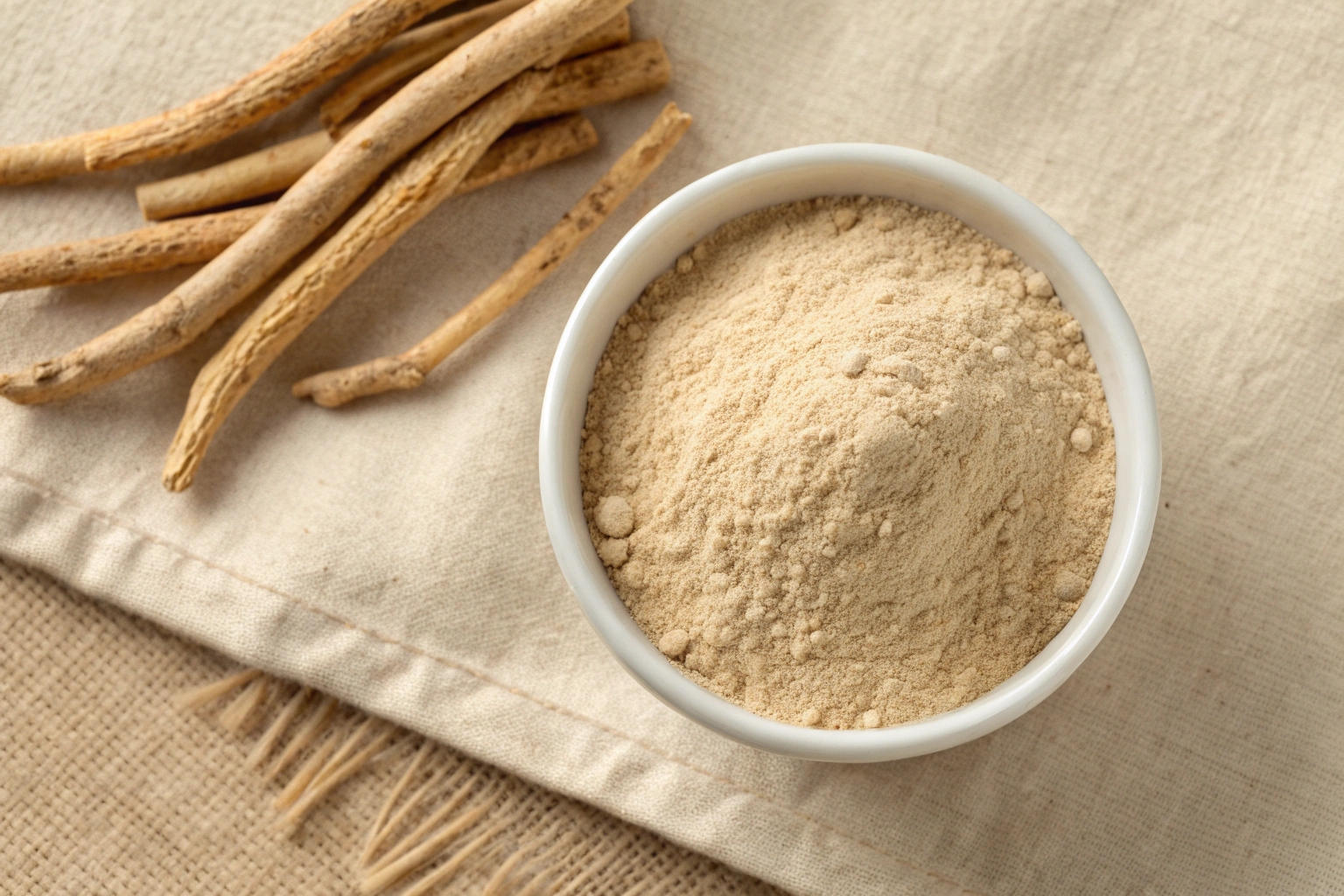

Alongside vitamins and minerals, certain herbal remedies have continued to gain attention in 2025 as natural fertility boosters. These plant-based supplements are not meant to replace medical treatments or fertility therapies, but they may help enhance reproductive health when chosen carefully and used under professional guidance. Each herb offers unique benefits, and some have been used in traditional medicine systems for centuries.
Maca Root for Fertility and Hormone Balance
Maca root, a plant native to the high Andes of Peru, has long been valued as a natural fertility aid. Traditionally consumed to increase energy, stamina, and sexual vitality, maca is often associated with boosting libido in both men and women. Emerging studies suggest that it may also support sperm motility and quality, making it a popular supplement for men facing fertility challenges. In women, maca is believed to help regulate menstrual cycles and support hormonal balance, though more research is still needed. Many couples turn to maca in powdered or capsule form as part of a holistic fertility plan.
Ashwagandha Benefits for Male Fertility and Stress Reduction
Ashwagandha, also known as Indian ginseng, is a powerful adaptogen widely used in Ayurvedic medicine. One of its most recognised benefits is reducing stress and cortisol levels, which is vital for reproductive health since chronic stress can disrupt hormones and ovulation. In men, ashwagandha has been linked to improved testosterone levels, better sperm health, and increased overall vitality. Women may also benefit from its calming and hormone-balancing effects, particularly when stress is a contributing factor to fertility difficulties. Its versatility makes it one of the most studied herbal options for reproductive wellness.
Vitex (Chasteberry) for Women’s Hormone Balance and Ovulation
Vitex agnus-castus, more commonly known as chasteberry, is a traditional remedy for supporting women’s reproductive health. It works by influencing the pituitary gland, which regulates hormones such as progesterone and luteinizing hormone (LH). Many women use vitex to help normalise irregular menstrual cycles, ease premenstrual symptoms, and encourage ovulation. Because hormonal balance is crucial for conception, vitex is often considered a valuable natural ally for women seeking to enhance fertility.
Tribulus Terrestris for Male Libido and Sperm Health
Tribulus terrestris is an herb that has gained popularity for its potential effects on male reproductive health. Traditionally used in various cultures to boost libido, modern research suggests it may also play a role in increasing sperm count and improving motility. Some women use it as well, as it may support ovulation, but its most established benefits are seen in men. When combined with lifestyle improvements such as a balanced diet and exercise, tribulus can contribute to overall reproductive vitality.
Safety, Timing, and Consultation with Healthcare Professionals
When it comes to fertility vitamins and supplements, safety and proper usage are just as important as choosing the right products. While these supportive nutrients can play a meaningful role in preparing the body for conception, using them incorrectly may reduce their effectiveness—or even cause harm. To maximise benefits and protect overall health, it is important to pay attention to timing, dosage, and medical guidance.
Best Time to Start Fertility Supplements for Men and Women
The right timing can make a significant difference in reproductive health. For women, most experts recommend beginning prenatal vitamins at least three months before conception. This allows nutrients like folic acid, iron, and vitamin D to build up in the body and create a healthy environment for early pregnancy. For men, starting fertility supplements about six months before trying to conceive can be especially beneficial. Since sperm production takes around 70–90 days, early supplementation gives the body enough time to support sperm quality, motility, and overall reproductive potential.
Safe Dosage of Fertility Vitamins and Prenatals
Taking the correct dosage is critical. While water-soluble vitamins are usually excreted if taken in excess, fat-soluble vitamins such as A, D, E, and K can build up in the body and reach harmful levels. Too much vitamin A, for example, may increase the risk of birth defects, while excess vitamin D can disrupt calcium balance. Following recommended daily values—or better yet, personalised advice from a healthcare provider—ensures safe and effective use of supplements.
Consulting a Doctor Before Taking Fertility Supplements
Anyone with pre-existing health conditions or those taking prescription medications should always consult a healthcare professional before adding fertility vitamins or herbal boosters. Conditions such as thyroid disorders, diabetes, or autoimmune diseases can be affected by nutrient intake, and certain supplements may interact with medications. A doctor can provide tailored guidance and monitoring when needed.
Combining Fertility Supplements Without Risk
Not all supplements should be taken together. Overlapping nutrients or poorly matched combinations can reduce effectiveness or lead to unwanted side effects. Seeking professional advice from a fertility specialist or registered dietitian helps couples design a safe plan that avoids nutrient overload and supports overall reproductive health.
When used correctly and strategically, fertility supplements can be a valuable part of a holistic approach to conception, helping both partners prepare their bodies for a healthy pregnancy.
Conclusion: Building a Science-Backed Fertility Plan for 2025
In 2025, couples have more tools than ever to support conception through fertility vitamins and supplements. Choosing high-quality products, using them safely, and combining them with healthy daily habits can significantly improve the odds of a successful pregnancy. With patience, consistency, and guidance from healthcare professionals, men and women alike can build a fertility plan that aligns with their goals in 2025—and beyond.