


Anxiety, in its mild forms, is a normal part of being human – it's our body's way of preparing us for challenges. But when worry becomes a constant companion, when it starts interfering with sleep, relationships, work, and everyday joy, it crosses the line into something far more debilitating. Anxiety disorders are among the most common mental health conditions in the UK, yet they remain stubbornly under-discussed and undertreated.
Fortunately, there's a growing toolkit of effective options, and natural supplements are increasingly recognised as valuable allies in the journey towards calm. This guide explores the most promising supplements for anxiety – from foundational minerals like magnesium to herbal remedies with centuries of traditional use and modern scientific backing. Because while supplements can help soothe your nerves, they work best as part of a broader strategy that includes therapy, lifestyle changes, and, when needed, professional medical support.
Understanding Anxiety and Where Supplements Fit In
What Is Anxiety and How Does It Affect the Body and Mind?
Anxiety isn't just 'in your head' – it's a whole-body experience. When your brain perceives a threat (real or imagined), it triggers a cascade of physiological responses: your heart races, your breathing quickens, muscles tense, and digestion slows. This 'fight or flight' response is designed to protect you, but when it fires too often or at the wrong times, it can leave you feeling exhausted, on edge, and overwhelmed.
Conventional treatments for moderate to severe anxiety typically include psychotherapy – particularly cognitive behavioural therapy (CBT), which helps rewire unhelpful thought patterns – and prescription medications like SSRIs, SNRIs, or benzodiazepines. These approaches have strong evidence behind them and remain the gold standard for many people. However, they're not always suitable for everyone. Some people experience side effects they find difficult to tolerate, while others have mild or intermittent anxiety that doesn't quite warrant prescription medication.
Can Natural Supplements Support Your Anxiety Management Plan?
Natural supplements are best understood as adjuncts – supportive tools that may help reduce symptoms, particularly in mild cases, or for individuals who need an extra layer of support alongside therapy. They are not replacements for evidence-based mental health care, and they should never be used to self-treat severe or persistent anxiety without professional guidance.
It's also important to be honest: the evidence base for many supplements is still evolving. Some have robust human research behind them; others are promising but under-studied. Responses vary wildly from person to person, and what works wonders for one person may do nothing for another. With that caveat in mind, let's explore what the science says.
How Supplements May Help Reduce Anxiety
The Biological Pathways: Neurotransmitters, Hormones, and Inflammation
Supplements can influence anxiety through several biological pathways, many of which are rooted in how our brains and bodies regulate stress. Understanding these mechanisms can help you make more informed choices:
- First, many supplements affect neurotransmitters – the chemical messengers that carry signals between nerve cells. GABA (gamma-aminobutyric acid), for instance, is the brain's primary 'inhibitory' neurotransmitter; it slows things down and promotes relaxation. Some herbs and nutrients boost GABA activity, helping to quieten an overactive mind. Others influence serotonin, the 'feel-good' neurotransmitter that plays a key role in mood regulation and is the target of many prescription antidepressants.
- Second, supplements can modulate the body's stress response by lowering cortisol – the hormone released when we're under pressure. Chronic stress keeps cortisol levels elevated, which can worsen anxiety, disrupt sleep, and impair immune function. Adaptogenic herbs like ashwagandha have been shown to reduce cortisol in stressed individuals.
- Third, there's growing recognition of the role of inflammation and the gut-brain axis. Low-grade neuroinflammation is increasingly linked to mood disorders, and omega-3 fatty acids, with their anti-inflammatory properties, may help in this area. Similarly, the trillions of bacteria in our digestive tract communicate with the brain via the vagus nerve and immune signals, meaning gut health and mental health are intimately connected.
- Finally, some supplements help indirectly by improving sleep quality. Poor sleep exacerbates anxiety, creating a vicious cycle. Herbs like passion flower and lemon balm can promote deeper rest, breaking that cycle and giving your nervous system a much-needed reset.
Magnesium: A Foundation Mineral for Calming the Nervous System
Magnesium is involved in over 300 biochemical reactions in the body, including nerve signalling, muscle relaxation, and the regulation of the stress response. Research from the past decade suggests that magnesium supplementation can reduce anxiety scores, particularly in people with low dietary intake, PMS-related anxiety, or mild to moderate generalised anxiety.
For anxiety, magnesium glycinate and magnesium taurate are often preferred for their calming effects and good absorption. Typical research doses range from 200-400 mg of elemental magnesium per day for adults, but exact dosing should be discussed with a clinician, particularly if you have kidney issues or are taking medications that interact with magnesium.
Omega-3 Fatty Acids: Supporting Brain and Mood
Omega-3 fatty acids – particularly EPA and DHA – are structural components of brain cell membranes, and they play a vital role in neurotransmitter function, neuroinflammation, and overall brain health. A 2024 meta-analysis found that omega-3 supplements at around 2 grams per day modestly reduced anxiety symptoms compared with placebo, especially when EPA content was higher than DHA. The benefits seem more pronounced in people with existing anxiety or depression, suggesting that omega-3s may be particularly helpful where anxiety co-exists with low mood.
For anxiety support, typical supplemental dosing ranges from 1–2 grams per day of combined EPA/DHA. Omega-3s can interact with blood-thinning medications like warfarin, and they may slightly affect clotting, so anyone due for surgery or on anticoagulants should check with their doctor before starting.
Passion Flower: A Traditional Herb with Modern Evidence
Passion flower (Passiflora incarnata) has been used for centuries across Europe and the Americas to calm nerves and promote sleep. Some of the most compelling research from the early 2000s and 2010s found that passion flower extract was comparable to low-dose benzodiazepines for generalised anxiety or pre-surgical anxiety – but with fewer side effects like drowsiness and cognitive impairment. It's thought to work by increasing GABA activity in the brain, producing a mild sedative effect without the dependence risks associated with some prescription drugs.
Passion flower is commonly available as a tea, liquid extract, or in standardised capsules. It's often taken in the evening or in divided doses throughout the day, and it's frequently combined with other calming herbs like valerian, lemon balm, or hops. While generally well-tolerated, possible side effects include drowsiness, dizziness, and gastrointestinal upset. It's not recommended during pregnancy or breastfeeding due to a lack of safety data, and anyone taking sedative medications should be cautious about potential additive effects.
Lemon Balm: Gentle Support for Tension and Restless Thoughts
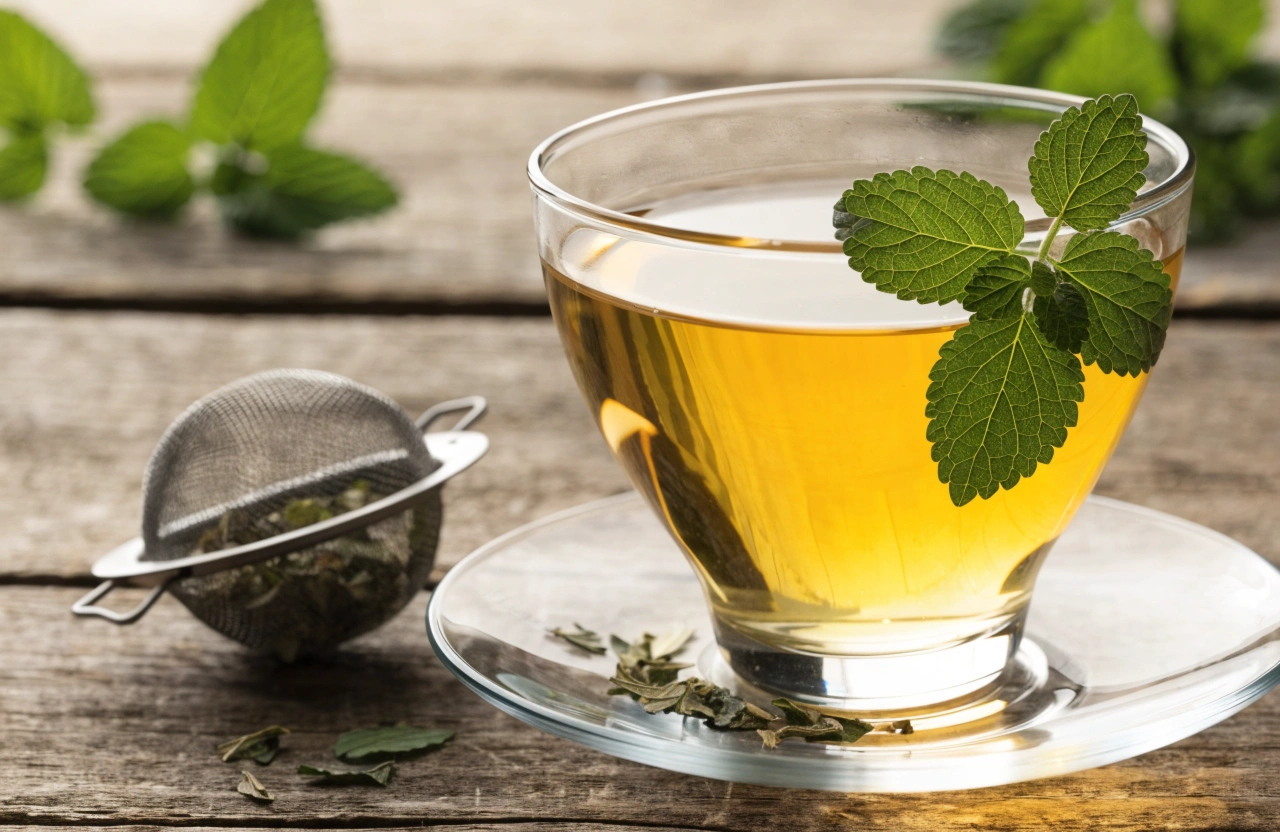

Lemon balm (Melissa officinalis) is a member of the mint family with a long history of use for nervousness, digestive upset, and sleep problems. Small randomised trials have found that lemon balm extract, alone or combined with other herbs, can reduce self-reported anxiety, nervousness, and insomnia within a few hours to a few weeks of use. It's generally considered milder than some other herbal anxiolytics, making it a good candidate for daytime use in people with mild anxiety or stress-related restlessness.
Lemon balm comes in teas, tinctures, and standardised capsules. Dosing protocols vary by product, so it's best to follow label instructions and seek professional advice. It's generally well-tolerated, but some people experience drowsiness or mild gastrointestinal upset. There's a theoretical concern for people with thyroid disorders – based on older data suggesting potential thyroid interactions – so it's wise to speak with an endocrinologist or GP first.
St John's Wort and Anxiety: Why Evidence Is Weak
St John's wort (Hypericum perforatum) is one of the most famous herbal medicines, best known as an antidepressant. Because depression and anxiety often overlap, many people assume it also helps with anxiety – but the evidence doesn't support that assumption.
Systematic reviews have consistently found insufficient evidence that St John's wort monotherapy effectively reduces anxiety disorders. While it may help some individuals with mild to moderate depression, its effects on anxiety are unproven, and the risks are substantial.
St John's wort is notorious for powerful interactions with numerous prescription drugs. It induces liver enzymes that speed up the breakdown of medications, reducing their effectiveness. This includes SSRIs, SNRIs, benzodiazepines, oral contraceptives, blood thinners, transplant medications, HIV medicines, and many others. Combining it with antidepressants also raises the risk of serotonin syndrome – a potentially life-threatening condition caused by excessive serotonin activity.
For all these reasons, St John's wort should not be self-prescribed for anxiety. Anyone already taking it must inform their doctor and pharmacist before starting or adjusting any other medicines. In the context of anxiety, safer, better-supported options should always be prioritised.
Other Herbal Supplements with Emerging Evidence
Beyond the better-known herbs, several others show promise but come with distinct safety considerations worth understanding:
- Lavender – specifically oral standardised lavender oil, has been studied in multiple European randomised controlled trials and shown to reduce generalised anxiety scores, often with minimal sedation.
- Kava – older trials indicated that kava significantly reduced anxiety compared with placebo, but concerns about rare but serious liver toxicity led to restrictions in some countries. It should only be used under strict medical supervision, if at all.
- Valerian – better known for sleep than anxiety, valerian has some evidence in combination with passion flower or lemon balm for improving subjective anxiety and sleep quality. It's generally well-tolerated but can cause drowsiness.
- Ashwagandha – this adaptogenic herb has gained enormous popularity in recent years, and several studies have shown reductions in stress and anxiety scores and cortisol in people with chronic stress. Side effects can include gastrointestinal upset and mild drowsiness, and caution is advised in autoimmune disease, thyroid disorders, pregnancy, and when taking sedatives.
Probiotics and the Gut-Brain Axis
The gut-brain axis is one of the most exciting frontiers in mental health research. Trillions of bacteria live in our digestive tract, and they communicate with the brain through nerves, immune signals, and metabolites – all of which can influence mood and anxiety levels.
A 2019 trial of Lactobacillus plantarum DR7, for example, showed significant reductions in anxiety and stress markers in adults after several weeks of supplementation compared with placebo. Other strains, including certain bifidobacteria and lactobacilli, have shown similar promise. However, the effects appear to be strain-specific – not all probiotics help with anxiety, and assuming any generic product will work is a common mistake.
The best approach combines probiotic supplements with a high-fibre, plant-rich diet – think legumes, whole grains, vegetables, and fermented foods like yoghurt, kefir, and sauerkraut – to support a microbiome profile associated with better mental health. Side effects like gas and bloating are common initially but usually settle. Rare but serious infections can occur in people who are severely immunocompromised, so these groups should avoid probiotics unless specifically recommended by a specialist.
Key Vitamins for Anxiety: B6, B-Complex, and Vitamin D
Sometimes, anxiety is worsened by subtle vitamin deficiencies. Correcting these with diet and targeted supplementation can provide a meaningful lift:
- Vitamin B6 – a 2022 clinical trial found that high-dose B6 supplementation significantly reduced anxiety measures compared with placebo. However, long-term excessive doses can cause nerve damage, so food-first sources like chickpeas, salmon, and bananas are ideal, and higher-dose supplementation should be discussed with a professional.
- B-complex vitamins – including B12 and folate, play critical roles in neurotransmitter synthesis and methylation. Low levels, particularly in older adults and vegans, may contribute to anxiety and low mood. Testing and individualised supplementation can help.
- Vitamin D – observational data show higher rates of anxiety in people with vitamin D deficiency, and interventional trials suggest that correcting low levels can improve symptoms in some individuals. However, vitamin D toxicity – nausea, weakness, kidney issues, heart rhythm problems – is a real risk with chronic large doses, so it's wise to get tested before supplementing and stick to recommended maintenance doses.
Building a Holistic Plan: Lifestyle, Therapy, and Natural Supplements
Supplements work best when integrated into a comprehensive anxiety management plan that prioritises the fundamentals:
- Therapy – particularly CBT, remains one of the most effective interventions for anxiety. It helps you change the thought patterns that drive worry and builds long-term resilience.
- Movement – regular physical activity, even a brisk 30-minute walk five times a week, reduces anxiety by releasing endorphins and lowering cortisol.
- Sleep – consistent sleep routines and good sleep hygiene are non-negotiable. Most adults need 7–9 hours.
- Diet – a fibre-rich, whole-food diet supports both gut health and stable blood sugar, reducing the mood swings that can trigger anxiety.
- Stress management – breathing exercises, meditation, and simple practices like humming or chanting can stimulate the vagus nerve and activate the parasympathetic 'rest and digest' response.
Conclusion
Anxiety can feel overwhelming, but you don’t have to navigate it alone – or rely on a single solution. Supplements are most effective when woven into a broader, personalised approach that includes therapy, regular movement, quality sleep, and a nutrient-rich diet. Start small, track how you feel, and always consult a qualified healthcare provider before making changes, especially if you take other medications. Your journey toward calm is unique, and every step you take – whether it’s a deep breath, a short walk, or a conversation with your GP – brings you closer to the balance you deserve.