


Microneedling has secured its place as one of the most effective, dermatologist-approved treatments for rejuvenating tired, ageing, or textured skin. What was once a niche procedure reserved for clinics has now evolved into a mainstream beauty solution — thanks to advancements in precision tools, radiofrequency (RF) integration, and at-home smart devices.
At its core, microneedling harnesses the body’s natural healing powers. By creating micro-injuries in the skin, it stimulates collagen and elastin — two vital proteins that keep skin smooth, firm, and youthful. Today the treatment has become safer, more personalised, and more efficient than ever, offering visible transformation without invasive surgery or long downtime.
In this guide, we’ll explore how microneedling works, the proven science behind its results, and what to expect before and after your treatment. We’ll also unpack the latest innovations reshaping the landscape of collagen induction therapy.
What Exactly Is Microneedling?
Microneedling, also known as Collagen Induction Therapy (CIT), involves using a device covered with ultra-fine sterile needles to puncture the skin’s surface. These controlled micro-injuries trigger the body’s natural wound-healing response, encouraging new collagen and elastin production.
Professional microneedling treatments typically penetrate between 0.5 mm to 2.5 mm deep, depending on the concern being treated — fine lines, acne scars, or pigmentation.
The Science Behind Microneedling and Collagen Renewal
Microneedling works because it taps into one of the body’s most fundamental biological responses — wound healing. The process unfolds in three key stages:
- Inflammation: Within hours of treatment, the skin triggers a cascade of healing signals, including platelet activation and the release of growth factors.
- Proliferation: Fibroblasts — the cells responsible for collagen and elastin — multiply rapidly, forming new structural support for the skin.
- Remodeling: Over several weeks, the new collagen network matures, firming and refining the skin’s surface.
Beyond texture and tone, microneedling also improves product absorption — allowing active ingredients like peptides, hyaluronic acid, and vitamin C to penetrate deeper for enhanced results.
Microneedling in 2025: The New Wave of Innovation
Technology has revolutionised how microneedling is performed. The latest RF microneedling devices use radiofrequency energy to heat deeper layers of the skin while sparing the surface — stimulating stronger collagen remodeling with minimal downtime.
Meanwhile, AI-guided precision systems now analyse skin hydration, thickness, and sensitivity to deliver perfectly calibrated treatments. These advancements reduce risks like post-inflammatory hyperpigmentation and improve comfort.
At-home smart rollers are also emerging, featuring hygienic disposable heads and smartphone-guided usage to prevent over-treatment. While convenient, they still can’t replicate professional depth or results — ideal for maintenance, not transformation.
The Top Microneedling Benefits You’ll Notice
Whether you’re targeting signs of ageing, stubborn scars, or dullness, microneedling offers multiple benefits that become more visible with each session. Here are the top results you can expect from consistent microneedling treatments.
Smoother Skin and Smaller Pores
One of the first improvements people notice after microneedling is a smoother, more refined skin texture. By stimulating collagen and elastin production deep within the dermis, the treatment helps plump the skin from within, minimising the appearance of enlarged pores and softening fine lines. Over time, this enhanced structural support creates a velvety, airbrushed finish that feels as smooth as it looks — perfect for those seeking naturally polished, poreless-looking skin.
Reduction in Acne Scars and Pigmentation
Microneedling is clinically proven to remodel damaged tissue, making it one of the best non-laser solutions for acne scars, hyperpigmentation, and sunspots. The micro-injuries trigger a healing response that replaces scarred cells with fresh, healthy skin. For issues like post-acne marks or melasma, it encourages even pigment distribution and helps fade discolouration without the risk of post-inflammatory reactions often associated with harsher treatments.
A 2024 clinical study found that participants who underwent three microneedling sessions spaced four weeks apart showed a significant reduction in acne scar depth and pigmentation intensity within 12 weeks, alongside increased collagen fibre density and improved skin elasticity.
Enhanced Absorption of Skincare Products
After microneedling, your skin’s temporary microchannels are primed to absorb active ingredients up to several times more effectively. When paired with nutrient-rich serums containing hyaluronic acid, peptides, or antioxidants, this process boosts hydration, firmness, and repair. It’s a synergistic effect — your skincare products suddenly work harder and penetrate deeper, amplifying visible results.
Tighter, More Youthful Skin and a Radiant Glow
By strengthening collagen and elastin fibres, microneedling restores the skin’s natural firmness and bounce. Sagging areas gradually lift, while increased circulation gives the complexion a youthful, post-treatment glow. Many users describe it as a “radiance reset” — smoother, brighter, and more luminous skin that only improves over time.
What to Expect Before, During, and After Microneedling
If you’re thinking about trying microneedling, knowing what happens at each stage — before, during, and after your session — helps ensure a comfortable experience and the best possible skin results. Proper preparation and aftercare are key to achieving that post-treatment glow and long-term rejuvenation.
Pre-Treatment Preparation: Setting the Stage for Success
Your journey to smoother, more radiant skin starts a few days before your appointment. About a week in advance, pause the use of retinol, exfoliating acids, and harsh scrubs — these can make your skin more sensitive to microneedling. Focus instead on calming, hydrating skincare: gentle cleansers, barrier-supporting moistures, and a daily broad-spectrum SPF 30+.
On the day of your treatment, arrive with a clean, makeup-free face. Avoid heavy products or sunscreen that could interfere with the numbing cream. Hydrated, balanced skin responds best to microneedling and recovers more quickly.
During the Procedure: What to Expect in the Chair
To keep you comfortable, your provider will apply a topical numbing cream about 20–30 minutes before starting. Using a professional microneedling pen, they’ll glide fine, sterile needles over your skin — often adjusting depth to target different concerns like fine lines or scarring.
The procedure typically lasts 30–45 minutes, with minimal discomfort. For deeper rejuvenation, RF (radiofrequency) microneedling combines micro-injuries with gentle heat energy to stimulate collagen production at multiple layers of the skin.
Aftercare and Recovery: Post-Treatment Glow and Healing
Immediately after microneedling, your skin will appear pink or slightly red — similar to a mild sunburn — for 24–48 hours. Use a soothing, fragrance-free moisturiser and avoid makeup or exfoliating products for at least a full day.
Stick to hydrating serums with hyaluronic acid, drink plenty of water, and always wear sunscreen. Most people see a visible glow within days, while collagen renewal continues for 6–8 weeks, leading to firmer, smoother, and more youthful-looking skin.
Pro Tip from the Experts: For the fastest recovery and best glow, keep your skincare simple for the first 72 hours — think hydration, sun protection, and rest. Adding a peptide serum after day two can help accelerate healing and boost collagen production naturally.
Safety First: Who Should (and Shouldn’t) Try Microneedling
Microneedling is considered a safe and effective rejuvenation treatment for most skin types, but it’s not universally suitable. Understanding whether you’re a good candidate can make all the difference between a glowing result and unwanted irritation.
Who Benefits Most from Microneedling Treatments
The best candidates are individuals seeking to smooth fine lines, soften acne scars, refine pores, or restore youthful elasticity. If you’re noticing early signs of ageing — such as mild sagging, uneven tone, or loss of radiance — microneedling can help kickstart your skin’s natural collagen production. It’s also an excellent choice for tackling post-acne pigmentation and rough texture without the downtime of laser treatments.
Who Should Avoid Microneedling
However, microneedling isn’t suitable for everyone. Those with active acne breakouts, open wounds, infections, eczema, psoriasis, or rosacea flare-ups should avoid treatment until the skin has fully healed. Individuals prone to keloid scarring, blood-clotting disorders, or those who have recently taken isotretinoin (Accutane) should also consult a dermatologist before proceeding.
Safe Treatment Practices and Aftercare
When performed by a qualified skincare professional using sterile, single-use needles, microneedling carries minimal risk. Expect temporary side effects such as mild redness, pinpoint bleeding, or tightness for one to two days. Following strict aftercare — including sun protection, gentle hydration, and avoiding makeup for 24 hours — ensures a smooth recovery and optimal results.
Professional vs. At-Home Microneedling: Understanding the Safety Differences
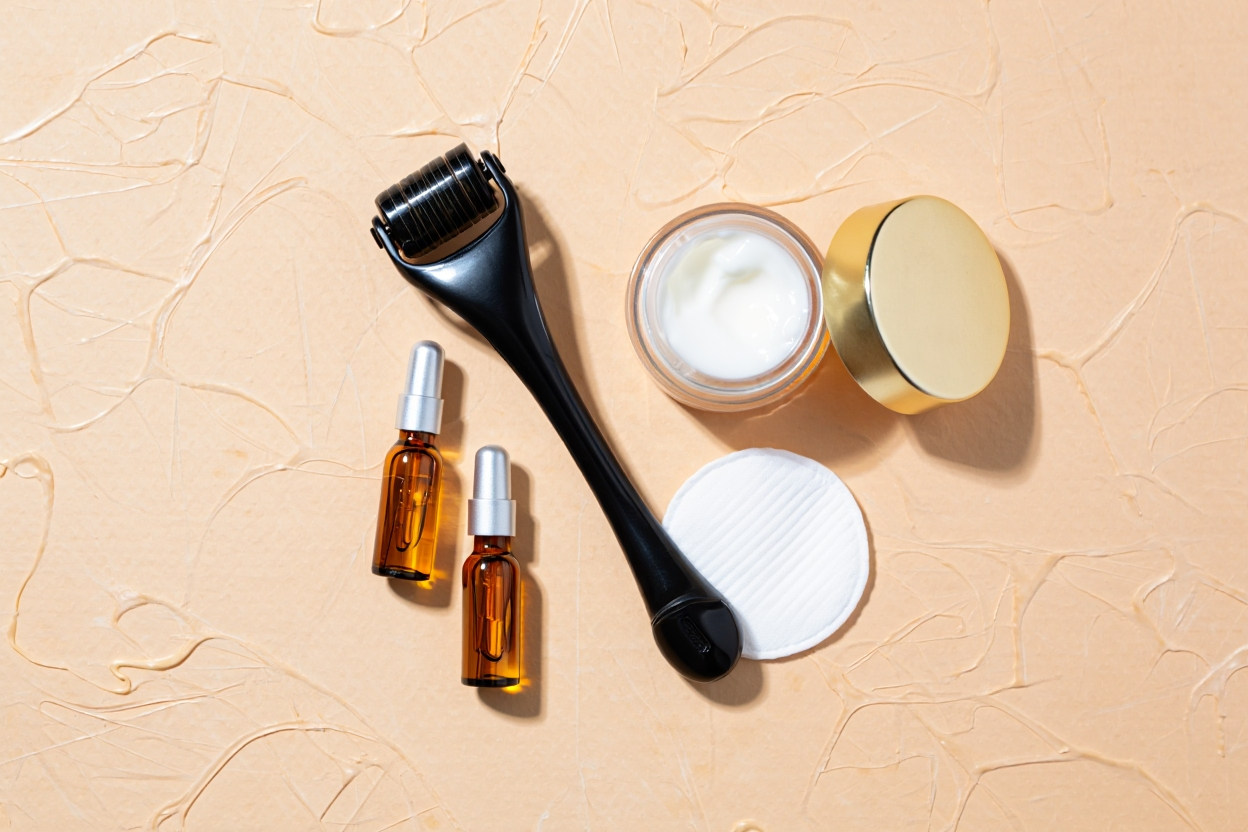

When it comes to microneedling, the biggest distinction lies in precision and safety. Professional treatments, performed by licensed dermatologists or medical aestheticians, use advanced devices with adjustable needle depths (typically 0.5–2.5 mm). This allows experts to target specific skin concerns such as deep acne scars, wrinkles, or pigmentation with accuracy — all under sterile, controlled conditions that minimise infection risk.
In contrast, at-home microneedling tools or dermarollers have much shorter needles (around 0.2–0.3 mm) designed primarily to boost product absorption and surface texture. While safe for routine maintenance, they don’t penetrate deeply enough to trigger significant collagen production. The main risk with at-home devices is improper sanitation — using unsterilised rollers or applying excessive pressure can lead to irritation, breakouts, or even infection.
For most people, a hybrid approach works best: schedule professional microneedling sessions every few months for deeper rejuvenation, and use a high-quality at-home roller once a week to maintain results. Always clean your tool thoroughly with isopropyl alcohol, replace it regularly, and follow with soothing, hydrating serum rich in hyaluronic acid or peptides. Avoid retinol, exfoliating acids, or strong actives for 24 hours afterward to protect the skin barrier.
Expert Tips for Better Microneedling Results
To make the most of your microneedling treatments — whether in-clinic or at home — consistency and proper aftercare are key. Follow these expert-approved strategies to boost collagen production, reduce downtime, and enhance your glow:
- Hydrate and Protect: Microneedling temporarily increases skin permeability, making hydration crucial. Use a lightweight hyaluronic acid serum immediately post-treatment to lock in moisture and support healing. Daily broad-spectrum SPF 30+ is non-negotiable — freshly treated skin is more vulnerable to UV damage, which can undo your progress.
- Space Sessions Properly: Collagen takes time to remodel. Dermatologists recommend spacing microneedling sessions 4–6 weeks apart to allow for full regeneration between treatments. Overdoing it can lead to irritation rather than faster results.
- Avoid Harsh Products Post-Treatment: For at least five days after microneedling, skip exfoliating acids, retinoids, or alcohol-based toners. These can cause unnecessary inflammation while the skin barrier is recovering.
- Layer with Actives Wisely: Once healed, boost your regimen with peptides, vitamin C, or growth factors to amplify firmness and radiance. These actives work synergistically with newly stimulated skin cells for a smoother, brighter finish.
- Combine with LED Therapy: Red light therapy after microneedling helps reduce redness and encourages faster recovery by stimulating additional collagen synthesis.
- Be Consistent: Noticeable improvement usually appears after three to four sessions, with peak results visible around the three-month mark as collagen fully matures.
Common Mistakes to Avoid After Microneedling
Even the best microneedling treatment can fall short if you make post-care mistakes. To protect your results — and your skin — steer clear of these common pitfalls:
- Touching Your Face Too Soon: Microneedling creates thousands of tiny microchannels that need time to close. Touching your skin or applying unclean products can introduce bacteria, leading to breakouts or infection. Always wash your hands before applying anything post-treatment.
- Skipping Sunscreen: Freshly treated skin is more photosensitive. Failing to wear SPF 30 or higher daily can lead to hyperpigmentation and undo the brightening benefits of your session.
- Over-Exfoliating or Using Retinoids: Harsh exfoliants, scrubs, and retinoids should be avoided for at least five to seven days after treatment. These can inflame delicate, healing skin and cause redness or peeling.
- Heavy Makeup Too Soon: Give your skin at least 24 hours makeup-free to breathe and recover. If needed, opt for mineral-based formulas that won’t clog pores.
- Neglecting Hydration: Failing to keep your skin hydrated can slow healing. Use a gentle, fragrance-free moisturiser and drink plenty of water to support collagen formation and maintain that post-needling glow.
Final Thoughts: The Microneedling Advantage for Timeless Skin
Microneedling has firmly earned its place as one of the most effective, science-backed treatments for skin rejuvenation and collagen renewal. Whether you’re targeting fine lines, acne scars, enlarged pores, or dullness, this minimally invasive therapy offers a path to smoother, firmer, and more radiant skin — often with minimal downtime.
The secret lies in consistency and care. Combining professional sessions with a smart home routine, gentle hydration, and diligent sun protection ensures long-lasting results. Pairing treatments with complementary therapies like LED light or antioxidant-rich serums can further accelerate visible improvement.
Ultimately, microneedling isn’t just about instant results — it’s about investing in your skin’s long-term resilience. With the right aftercare and professional guidance, you can achieve a natural, youthful glow that continues to improve over time.