


In 2025, the average person spends over seven hours a day looking at screens — from smartphones and laptops to tablets and TVs. This constant exposure to blue light has created a growing epidemic known as digital eye strain or digital fatigue. Symptoms include dry eyes, blurry vision, headaches, and difficulty focusing — all signs that your eyes are under stress.
Fortunately, research shows that specific vitamins, antioxidants, and natural supplements can protect and even restore visual performance by nourishing the retina, reducing inflammation, and improving tear film stability. In this guide, we explore the most effective science-backed nutrients for eye health, how they work, and lifestyle habits that keep your vision strong in the digital age.
Understanding Digital Eye Fatigue and Its Effects
What Is Digital Eye Strain?
Digital eye fatigue refers to a cluster of symptoms caused by prolonged screen exposure. When you stare at screens, your blink rate decreases by up to 60%, leading to dryness and irritation. The blue light emitted from digital devices penetrates deep into the retina, generating oxidative stress that damages delicate eye cells over time.
Common symptoms include:
- Dryness and a gritty sensation
- Blurred or fluctuating vision
- Eye redness and watering
- Neck or shoulder tension
- Headaches after screen use
The Role of Oxidative Stress in Vision Decline
Your eyes are highly susceptible to oxidative stress, a process caused by free radicals that break down retinal cells and collagen fibres. Blue light exposure amplifies this effect, contributing to premature ageing of the eyes and increasing the risk of age-related macular degeneration (AMD) - an eye disease that can blur your central vision. This is where antioxidant nutrients play a vital role in neutralising damage and preserving visual acuity.
Who’s Most at Risk?
While everyone who uses digital devices can experience strain, those at highest risk include office workers, gamers, students, and anyone exposed to artificial lighting for long periods. Poor diet, lack of sleep, and low intake of antioxidant-rich foods can worsen symptoms.
The Essential Vitamins and Nutrients for Optimal Eye Health
From vitamins that support night vision to antioxidants that guard the retina against blue light and oxidative stress, certain nutrients play an essential role in long-term visual wellness. Below, we break down the most research-supported eye-health nutrients and explain how they protect your vision from daily strain, digital fatigue, and age-related changes.
Vitamin A – The Classic Vision Protector and Dry Eye Defender
Vitamin A remains one of the most important nutrients for general eye health. It is a key building block for the cornea (the eye’s clear outer layer) and is essential for maintaining smooth, hydrated ocular surfaces. One of its most crucial roles is forming part of rhodopsin, the pigment in the retina responsible for night vision and low-light detection. Without adequate vitamin A, rhodopsin can’t regenerate efficiently — leading to night blindness, difficulty adjusting to darkness, and sensitivity to glare.
Vitamin A deficiency is still one of the leading causes of preventable blindness globally. Even mild deficiency can cause dryness, burning, irritation, and a gritty sensation due to compromised tear production. Ensuring a consistent intake supports both vision and tear film quality.
Natural food sources include brightly coloured vegetables (carrots, pumpkin, sweet potatoes), leafy greens (spinach, kale), and animal-based sources like eggs and liver. If supplementing, typical daily amounts range between 2,500–5,000 IU, but it’s important to follow professional guidance, as vitamin A is fat-soluble and accumulates in the body.
Lutein and Zeaxanthin – The Blue Light Defenders and Macula Protectors
Lutein and zeaxanthin are two yellow-orange carotenoids concentrated in the macula, the part of the retina responsible for sharp, detailed central vision. They act like natural filters, absorbing harmful blue light from screens, LED lighting, and sunlight before it can damage retinal tissue. For anyone spending hours on digital devices, these nutrients are indispensable.
A 2023 clinical study showed that supplementing with 10 mg lutein and 2 mg zeaxanthin daily improved contrast sensitivity, glare recovery, and overall visual performance in individuals with heavy blue-light exposure. These carotenoids also accumulate over time, meaning consistent intake strengthens long-term retinal protection.
You can boost your levels by eating leafy greens (kale, spinach), corn, orange peppers, and egg yolks. They are also core ingredients in the AREDS2 formula, a clinically validated supplement blend known to reduce the risk of progression in age-related macular degeneration (AMD).
Vitamin C and Vitamin E – Antioxidant Shielding for the Retina
The retina is one of the most metabolically active tissues in the body, making it especially vulnerable to oxidative stress. Vitamins C and E work synergistically to neutralise free radicals before they can damage photoreceptors, lens proteins, and delicate retinal structures.
Vitamin C helps maintain strong collagen within the cornea and blood vessels, supporting the structural integrity of the eye. Vitamin E, a fat-soluble antioxidant, prevents lipid peroxidation in retinal cell membranes — a critical process for protecting long-term vision.
Together, these nutrients have been shown to slow the progression of AMD, maintain lens clarity, and reduce the risk of cataract formation. When combined with zinc and carotenoids, their protective effects are significantly amplified.
Foods rich in these antioxidants include citrus fruits, berries, almonds, sunflower seeds, and avocados. Most high-quality eye supplements include both in clinically meaningful doses.
Zinc – The Mineral Behind Clear Vision and Night Sight
Zinc plays a quiet but essential role in the biochemistry of vision. It helps transport vitamin A from the liver to the retina, allowing the body to produce rhodopsin — the pigment crucial for seeing in dim conditions. When zinc levels are inadequate, symptoms may include poor dark adaptation, reduced clarity, and increased susceptibility to oxidative stress.
Zinc-rich foods include pumpkin seeds, oysters, lentils, chickpeas, beef, and fortified cereals. Most eye formulas contain 25–40 mg of zinc oxide or zinc gluconate, which matches the amounts used in clinical studies.
Omega-3 Fatty Acids – Nourishing the Eyes from Within
Omega-3 fatty acids — especially DHA and EPA — are foundational for long-term eye health. DHA is a structural component of retinal cell membranes, supporting the function of photoreceptors responsible for detecting light and transmitting visual signals. EPA, meanwhile, promotes anti-inflammatory activity, reducing irritation in tear glands and stabilising tear film quality.
Omega-3s can be obtained from:
- Fatty fish: salmon, sardines, mackerel.
- Plant-based sources: flaxseed oil, chia seeds.
- Algal supplements: ideal for vegetarians and vegans.
These healthy fats not only support comfortable, hydrated eyes but also contribute to long-term retinal resilience.
Herbal and Plant-Based Supplements for Eye Restoration
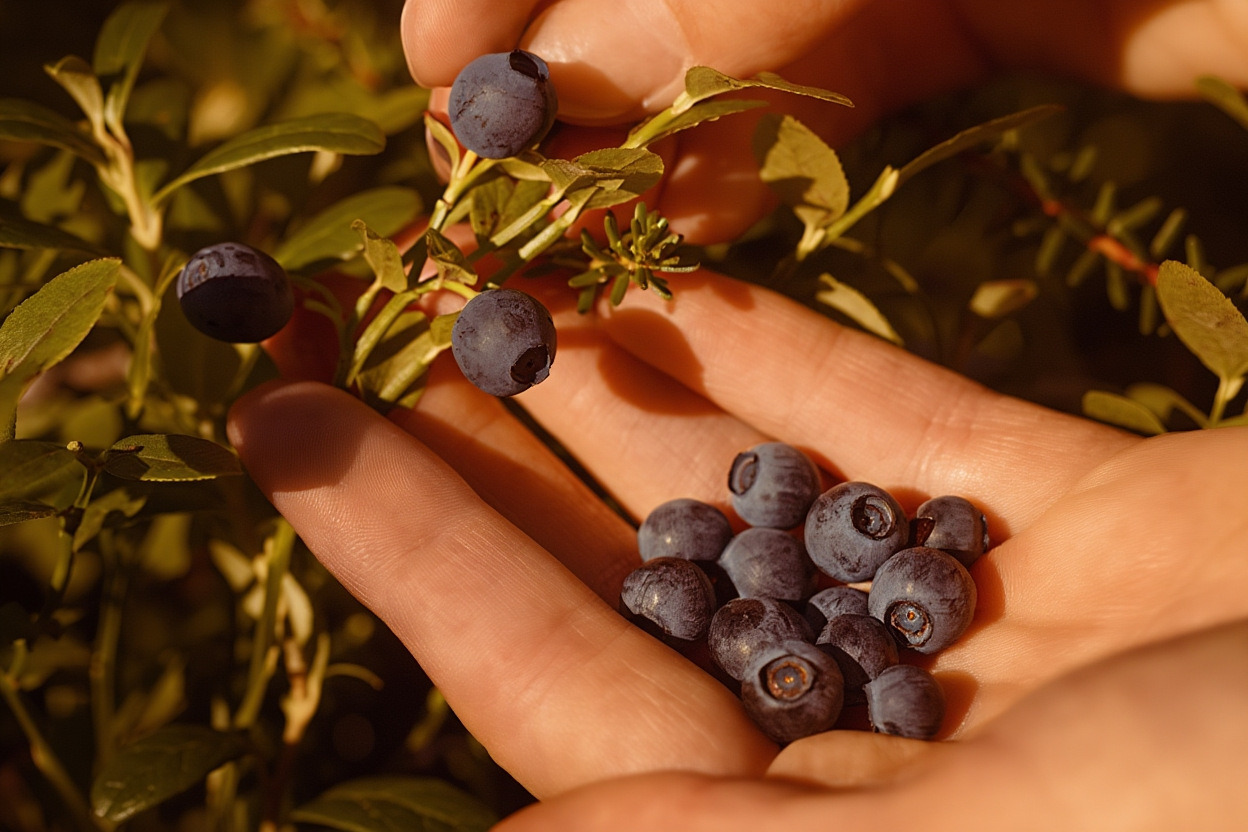

When it comes to restoring vision comfort and protecting the eyes from daily digital strain, herbal and plant-based supplements offer powerful, naturally derived support. These botanicals are rich in antioxidants, circulation enhancers, and protective compounds that help counteract the effects of screen-time fatigue, oxidative stress, and age-related visual decline. Below are three of the most researched and widely used herbal extracts for long-term eye wellness.
Bilberry Extract – The Natural Vision Enhancer
Bilberry extract has earned its reputation as one of the most effective botanical remedies for eye health. Packed with anthocyanins, potent antioxidant pigments, bilberry helps strengthen the tiny capillaries that nourish the retina while improving overall microcirculation within the eye. Better circulation means improved oxygen and nutrient delivery — essential for maintaining sharp, comfortable vision.
Historically, bilberry gained attention during World War II when RAF pilots reportedly consumed bilberry jam to support night vision and low-light performance. While the story is partly anecdotal, modern research supports bilberry’s ability to reduce glare sensitivity, eye strain, and visual fatigue, especially for people who spend long hours reading or using digital devices.
Regular supplementation may also support faster visual adaptation in dark environments and reduce the oxidative stress that contributes to age-related eye changes.
Astaxanthin – The Super Antioxidant for Eye Endurance
Astaxanthin, a deep-red carotenoid derived from microalgae, is frequently referred to as one of the most powerful antioxidants in nature — boasting more than 10 times the antioxidant capacity of beta-carotene. Its unique molecular structure allows it to protect cell membranes from both the inside and outside, making it exceptionally effective for retinal defence.
This antioxidant helps shield the eyes from blue light exposure, UV-induced oxidative damage, and inflammation, all of which are major drivers of digital eye strain. It also enhances visual endurance, helping the eyes maintain focus during long hours of screen work.
For optimal benefits, experts typically recommend 4–12 mg daily, especially when combined with complementary nutrients such as omega-3 fatty acids or lutein, which enhance antioxidant synergy and retinal absorption.
Ginkgo Biloba – Supporting Circulation and Eye Vitality
Ginkgo biloba is another botanically rich supplement known for its circulation-boosting properties. By enhancing microcirculation and oxygen delivery to both the retina and optic nerve, ginkgo supports overall visual clarity and long-term eye resilience.
Studies suggest that ginkgo may help slow the progression of glaucoma, likely due to its ability to reduce oxidative stress and improve blood flow to the optic nerve. Older adults, in particular, may benefit from ginkgo’s ability to support sharper vision, reduce retinal stress, and maintain healthy visual function despite age-related vascular changes.
Modern Eye Health Innovations: Advanced Tools for Protecting and Restoring Vision
As digital screen use reaches record highs and environmental stressors continue to rise, modern eye health is evolving beyond traditional nutrients and supplements. Today’s innovations combine technology, precision nutrition, and advanced delivery systems to support clearer, more resilient vision in ways that weren’t possible a decade ago.
Blue Light–Blocking Technology for Digital Protection
Blue light–filtering eyewear and screen protectors have become essential tools for reducing digital eye strain. These filters help minimise retinal stress, reduce glare sensitivity, and support more comfortable viewing during long hours of computer or smartphone use. Many lenses now incorporate anti-reflective coatings, scratch resistance, and UV filtering, offering all-day protection for both indoor and outdoor environments.
Liposomal and Nano-Delivery Supplements for Enhanced Absorption
Nutrient absorption has become a central focus in modern eye care. Liposomal and nano-encapsulated supplements allow key antioxidants — such as lutein, zeaxanthin, and astaxanthin — to reach retinal tissues more efficiently. These advanced delivery systems protect delicate nutrients from stomach acid, ensuring higher bioavailability and faster therapeutic effects. For individuals dealing with chronic dry eye, oxidative stress, or early macular changes, these modern formulations offer a meaningful advantage.
Smart Eye Health Apps and Digital Vision Tracking
New apps use AI-assisted vision testing, glare sensitivity tracking, and screen-time monitoring to help users understand their eye strain patterns. These tools provide personalised recommendations — such as when to take a break, adjust lighting, or apply the 20-20-20 rule — making daily eye care more intuitive and data-driven.
The Future: Personalised Eye Care Protocols
With advancements in genetic testing and biomarker analysis, customised eye health plans are becoming increasingly accessible. These personalised protocols may recommend specific nutrients, lifestyle adjustments, or targeted supplements based on individual risk factors for macular degeneration, dry eye, or oxidative burden.
Lifestyle and Habits to Support Healthy Vision
While supplements and modern eye-health technologies play a major role in protecting your sight, your daily habits are equally important. Simple, consistent lifestyle adjustments can significantly reduce digital fatigue, prevent premature eye ageing, and support long-term visual clarity.
Smart Daily Habits for Reducing Digital Strain
In a world dominated by screens, building eye-friendly routines is essential:
- Follow the 20-20-20 rule: Every 20 minutes, look at something 20 feet away for at least 20 seconds. This relaxes the eye muscles responsible for close-up focus and helps prevent digital eye strain.
- Optimise your workspace lighting: Use soft, indirect lighting and reduce glare by adjusting monitor brightness to match ambient light.
- Position your screen properly: Keep monitors an arm’s length away and slightly below eye level to reduce strain on both the eyes and neck.
Nutrition and Hydration for Optimal Vision
Diet plays a crucial role in maintaining ocular health:
- Eat a nutrient-dense, antioxidant-rich diet: Colourful fruits, leafy greens, nuts, and fatty fish provide essential vitamins and carotenoids that protect the retina.
- Stay hydrated: Adequate water intake supports natural tear production, helping prevent dry eye symptoms — a common issue for frequent screen users.
Lifestyle Choices That Preserve Long-Term Eye Health
Certain habits have a profound impact on how well your eyes age:
- Get consistent sleep: Deep rest supports ocular repair and reduces morning dryness.
- Avoid smoking and limit alcohol: Smoking accelerates oxidative stress in the retina, while excess alcohol can dehydrate the eyes.
- Protect your eyes outdoors: Wear UV-blocking sunglasses to prevent cumulative sun damage, a major risk factor for cataracts.
Final Thoughts: Protecting Vision Naturally in a Digital World
Our digital lifestyles aren’t slowing down — but eye strain and visual decline don’t have to be inevitable. Protecting your vision in the digital age requires a modern, holistic approach — one that blends nutrient-rich supplementation, smart lifestyle habits, and innovative eye-health technologies. Whether you're focused on reducing digital strain, maintaining long-term retinal health, or simply keeping your eyes feeling fresh and clear throughout the day, consistency is key. The right combination of antioxidants, herbal extracts, and essential vitamins can give your eyes the resilience they need to thrive in a screen-heavy world.
Your vision is one of your most valuable assets — don’t wait for symptoms before taking action. Start supporting your eye health today with intentional nutrition, smart habits, and targeted supplements to protect your sight for years to come.