


In recent years, complex routines, powerful active ingredients and trend-led advice have become the norm. While many products promise clearer, smoother, more radiant skin, overuse or misuse can quietly weaken your skin’s natural protective layer.
A damaged skin barrier doesn’t just cause dryness. It can trigger inflammation, sensitivity, congestion and persistent irritation that feels difficult to control. The good news? Your skin usually gives clear warning signs before long-term damage occurs. Here’s how to recognise the symptoms of a compromised skin barrier — and what to stop doing immediately if these red flags sound familiar.
What Does a Compromised Skin Barrier Actually Mean?
Before diving into the warning signs, it helps to understand what’s happening beneath the surface. Your skin barrier — technically the outermost layer of the epidermis — acts as your complexion’s first line of defence. It is made up of skin cells held together by lipids such as ceramides, cholesterol and fatty acids, often described as a “brick and mortar” structure.
Its job is to:
- Prevent excessive moisture loss (known as transepidermal water loss or TEWL)
- Protect against irritants, allergens and pollutants
- Support the skin microbiome
- Maintain overall balance and resilience
When functioning properly, your skin feels comfortable, hydrated and relatively tolerant of products. But when this protective layer becomes disrupted, tiny gaps form within the lipid structure. This increases permeability, allowing moisture to escape and irritants to penetrate more easily. In short, your skin becomes reactive and vulnerable.
Early Signs Your Skin Barrier Is Compromised
Recognising early symptoms of a damaged skin barrier can prevent more severe irritation and long-term sensitivity. These warning signs often appear subtly at first but tend to worsen if the underlying cause isn’t addressed.
Persistent Tightness After Cleansing: An Early Sign of Barrier Damage
If your skin feels tight, dry or “too clean” immediately after washing, this is often one of the first indicators of a compromised skin barrier. Cleansing should remove dirt, excess oil and impurities — not leave your face feeling stretched or uncomfortable. Research shows that surfactants in many cleansers can disrupt skin proteins and lipids, leading to tightness, dryness and impaired barrier function after washing. Over time, this repeated stripping increases transepidermal water loss, leading to chronic dehydration.
- Tip: Switch to a gentle, non-foaming cleanser and use lukewarm (not hot) water to minimise further lipid disruption.
Sudden Product Stinging or Increased Skin Sensitivity
If products that once felt soothing now cause stinging, tingling or burning, your skin barrier may be compromised. When the protective layer becomes thinner or disrupted, ingredients penetrate more deeply and nerve endings are less shielded. Even mild formulations can trigger discomfort. This increased reactivity often develops gradually and may be worse after exfoliation or when using active ingredients such as retinoids or acids.
- Tip: Pause strong actives temporarily and simplify your routine to calming, fragrance-free formulations to reduce irritation.
Dryness That Doesn’t Improve With Moisturiser
Persistent dryness — especially when it doesn’t improve after applying moisturiser — is a classic symptom of barrier impairment. In this case, the issue isn’t simply a lack of hydration but increased water loss due to structural gaps in the skin’s lipid matrix. You may notice flaking, rough patches or makeup clinging to dry areas. Applying heavier creams may provide temporary relief but won’t fully resolve the underlying barrier weakness.
- Tip: Focus on barrier-supportive moisturisers containing ceramides and fatty acids rather than layering multiple hydrating products.
Redness and Flushing: Visible Signs of a Weakened Skin Barrier
Frequent redness, blotchiness or flushing — particularly after cleansing, applying skincare or exposure to wind and temperature changes — often indicates heightened inflammation. A damaged barrier allows irritants to penetrate more easily, triggering an inflammatory response and increased blood flow to the skin’s surface. Over time, this repeated reactivity can make skin more prone to sensitivity and discomfort.
- Tip: Reduce exposure to known triggers (harsh exfoliants, extreme temperatures) and prioritise soothing, minimal skincare while your skin stabilises.
Advanced Symptoms of a Damaged Skin Barrier
When early warning signs are ignored, skin barrier damage can progress into more persistent and disruptive symptoms. At this stage, the skin’s protective function is significantly impaired, making it harder to tolerate products or environmental exposure.
Burning or Itching Sensations: A Sign of Heightened Inflammation
A persistent burning, itching or prickling sensation — especially after applying skincare — is a strong indicator that the skin barrier is severely compromised. When the protective lipid layer is disrupted, irritants penetrate more easily and nerve endings become increasingly exposed. This triggers inflammatory pathways within the skin, resulting in discomfort that may linger rather than fade quickly. In some cases, even water or very gentle products can cause stinging.
- Tip: Strip your routine back to the basics and avoid fragranced or active-heavy products until the sensation subsides.
Increased Breakouts or Congestion Linked to Barrier Disruption
Although many people associate breakouts with excess oil, a damaged skin barrier can also contribute to spots and congestion. When the skin becomes dehydrated, it may overproduce oil in an attempt to compensate for moisture loss. At the same time, inflammation weakens the skin’s natural defences, making it easier for bacteria and irritants to trigger blemishes. This combination can create a cycle of breakouts that worsens with aggressive treatment.
- Tip: Resist the urge to over-treat blemishes with strong acids and instead prioritise calming, barrier-supportive care.
Rough Texture, Flaking and Persistent Dry Patches
A compromised barrier often leads to uneven texture, visible flaking and stubborn dry patches that don’t resolve easily. This happens because the skin’s natural shedding process becomes disrupted when lipid levels are depleted. Without a cohesive outer layer, dead skin cells accumulate irregularly, creating a rough or patchy surface. Makeup may cling to these areas, making texture more noticeable.
- Tip: Avoid physical scrubs and instead focus on replenishing lipids with nourishing moisturisers to restore surface smoothness gradually.
Shiny Yet Dehydrated Skin: When Oiliness Masks Barrier Damage
One of the most confusing advanced symptoms is skin that appears shiny or oily but still feels tight and uncomfortable. This occurs when dehydration triggers excess sebum production as a compensatory response. While the surface may look glossy, the deeper layers lack sufficient moisture due to increased transepidermal water loss. Treating this with harsh oil-control products can further weaken the barrier.
- Tip: Swap oil-stripping products for lightweight, non-comedogenic moisturisers that support hydration without clogging pores.
Why Your Skincare Routine Might Be Making It Worse
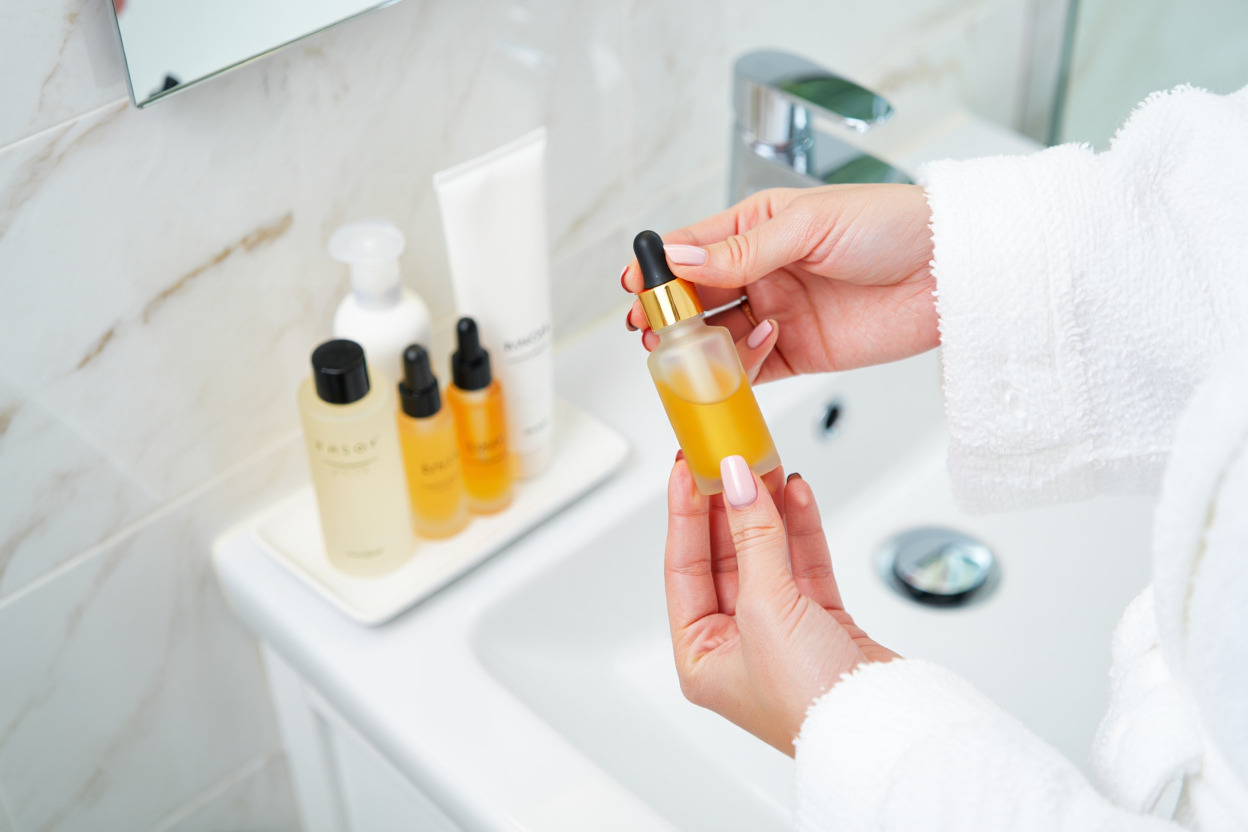

It can be frustrating to realise that the very products you rely on for clearer, brighter skin may be contributing to irritation. Yet one of the most common causes of a compromised skin barrier is an overcomplicated or overly aggressive routine. Modern skincare offers powerful ingredients and advanced formulations — but without balance, they can quietly weaken your skin’s natural defences.
Over-Exfoliating With Acids or Scrubs: When “Glow” Becomes Damage
Exfoliation is often promoted as the key to smooth, radiant skin. Chemical exfoliants such as AHAs and BHAs dissolve dead skin cells, while physical scrubs manually buff them away. Used appropriately, they can improve texture and clarity. However, frequent or daily exfoliation can thin the outermost layer of the skin and strip away essential lipids.
Layering multiple exfoliating products — for example, an acid toner followed by a resurfacing serum — compounds the effect. Over time, this erodes the barrier’s “mortar”, increasing transepidermal water loss and inflammation. The result is often tightness, redness and sensitivity that worsens with continued use.
Using Too Many Active Ingredients at Once: The Risk of Ingredient Overload
Active ingredients such as retinoids, vitamin C, exfoliating acids and benzoyl peroxide can deliver impressive results individually. Problems arise when they are layered together without considering skin tolerance. Combining multiple potent actives in one routine can overwhelm the skin’s repair mechanisms.
High-strength formulations, particularly when introduced too quickly, increase cellular turnover and inflammation simultaneously. Without sufficient recovery time, the barrier cannot rebuild the lipids needed to maintain resilience. This “more is more” approach often leads to stinging, dryness and persistent irritation — all classic signs of barrier stress.
Cleansing Too Frequently or Too Aggressively: Stripping the Protective Layer
Cleansing is essential, but over-cleansing is a common and underestimated cause of barrier disruption. Washing your face multiple times a day, double cleansing with strong formulas or using harsh foaming cleansers can remove more than just dirt and oil.
Many cleansers, particularly those designed for oily or acne-prone skin, are formulated to deeply purify. When used excessively, they strip natural oils that help maintain the barrier’s lipid matrix. Hot water further exacerbates the issue by dissolving protective surface oils and increasing dryness.
If your skin feels squeaky-clean, tight or slightly uncomfortable after washing, your cleanser may be too aggressive for daily use.
Ignoring Recovery Time: Why Skin Needs Rest Days
Skin is not designed to be in a constant state of stimulation. Exfoliating, resurfacing and retinoid treatments accelerate cell turnover, which can be beneficial in moderation. However, using active treatments every single day leaves little opportunity for repair. The skin barrier requires time to regenerate lipids and rebalance moisture levels.
Without recovery periods, minor irritation can accumulate into chronic sensitivity. This is especially true when combining exfoliation with retinoids or other high-performance ingredients. Building rest days into your routine allows the skin to strengthen naturally, reducing the risk of long-term barrier compromise.
In many cases, barrier damage isn’t caused by one single product but by the cumulative impact of small, repeated stresses. Simplifying your routine and prioritising balance over intensity can make a significant difference in restoring comfort and resilience.
Who Is Most at Risk of a Compromised Skin Barrier?
While anyone can experience barrier disruption, certain skin types, routines and environmental factors increase susceptibility. Understanding whether you fall into one of these higher-risk categories can help you recognise symptoms earlier and prevent long-term sensitivity:
- Those with naturally dry or sensitive skin are particularly vulnerable because they often produce fewer protective lipids, such as ceramides and fatty acids. This means their barrier is inherently less robust, making it easier for moisture to escape and irritants to penetrate. Even mild exfoliation or seasonal weather changes can trigger tightness, redness or discomfort more quickly than in oilier skin types.
- Acne-prone individuals using intensive treatment routines frequently rely on ingredients such as salicylic acid, benzoyl peroxide or retinoids to control breakouts. While effective, these actives can be drying and inflammatory when overused. In an attempt to clear blemishes faster, many people increase frequency or combine treatments, inadvertently weakening the barrier and worsening both irritation and breakouts.
- Skincare enthusiasts layering multiple active ingredients are also at higher risk. Multi-step routines that include exfoliating acids, brightening serums and resurfacing treatments can overwhelm the skin when not carefully balanced. The cumulative effect of daily stimulation may gradually erode barrier strength, even if each product is well-formulated.
- People living in urban or polluted environments face constant exposure to airborne pollutants and free radicals, which contribute to oxidative stress. Combined with UV radiation and indoor heating or air conditioning, these environmental pressures can accelerate moisture loss and compromise barrier integrity over time.
- Individuals with underlying skin conditions such as eczema or rosacea often have pre-existing barrier dysfunction. Their skin may already struggle to retain moisture and regulate inflammation, making it far more reactive to both skincare products and environmental triggers.
When to Seek Professional Advice
If redness, burning or irritation persists for several weeks despite simplifying your routine, professional guidance may be necessary.
Painful inflammation, severe itching or signs of dermatitis should be assessed by a qualified dermatologist. Persistent symptoms could indicate underlying conditions that require targeted treatment rather than routine adjustments.
Conclusion: Don’t Ignore the Warning Signs of a Compromised Skin Barrier
A compromised skin barrier rarely happens overnight — it’s usually the result of repeated, well-intentioned habits that slowly erode your skin’s natural defences. Persistent tightness, stinging, redness, unexplained breakouts or dehydration are not random occurrences; they are signals that your skin is under stress. By recognising these symptoms early and resisting the urge to over-exfoliate, over-cleanse or overload your routine with actives, you can prevent longer-term sensitivity and imbalance. Listen carefully to what your skin is telling you, simplify where needed and prioritise consistency over intensity. If these warning signs sound familiar, now is the time to reassess your routine and give your skin the space it needs to recover and rebuild.