


Baby
Caring for a baby’s skin requires special attention and gentle products, as their skin is far more delicate than an adult’s.
Newborn skin, in particular, is sensitive to environmental factors like temperature, dryness, and even the products you use. Because of this, it's essential to choose the right skincare regimen to help protect your baby’s skin from irritation, rashes, and dryness while promoting healthy development. With a few simple steps, you can ensure your baby’s skin remains soft, smooth, and free of discomfort.
CHOOSING GENTLE PRODUCTS
One of the most important aspects of baby skincare is using gentle, fragrance-free, and hypoallergenic products. Many commercial soaps, lotions, and creams contain chemicals and fragrances that can irritate baby skin. Opt for mild cleansers and moisturisers specifically designed for babies, as these are formulated with the softness and sensitivity of infant skin in mind.
When it comes to bathing, less is more. While daily baths are part of many routines, newborns and babies do not need to be bathed every day. Frequent bathing can strip the skin of its natural oils, leading to dryness. Two to three baths per week is usually enough, using lukewarm water and a gentle cleanser. After a bath, it’s important to pat the skin dry rather than rubbing it, which can be abrasive on delicate skin.
MOISTURISING BABY SKIN
Since babies are more prone to dryness, moisturising is a critical step in their skincare routine. Immediately after a bath, while the skin is still damp, apply a gentle baby moisturiser to lock in moisture. Look for products containing natural ingredients like shea butter, glycerin, or coconut oil, as these provide hydration without the risk of irritation. Regularly moisturising helps to soothe and protect the skin from dryness and flakiness.
NAPPY RASH PREVENTION
Nappy rash is one of the most common skin issues that babies face. It can occur due to prolonged exposure to wet nappies, friction, or skin sensitivity to certain diaper materials. To prevent nappy rash, it’s important to change nappies frequently and use a barrier cream containing zinc oxide at each change. This creates a protective layer between the skin and moisture, reducing the likelihood of irritation. Additionally, allowing your baby to go nappy-free for short periods can help keep the area dry and reduce the risk of rashes.
SUN PROTECTION FOR BABIES
Babies under six months should be kept out of direct sunlight as their skin is especially sensitive to UV rays. When outside, make sure your baby is dressed in lightweight, protective clothing, and always use a wide-brimmed hat to shield their face. For babies older than six months, a broad-spectrum sunscreen designed for infants, with an SPF of at least 30, can be applied to exposed areas.
TREATING COMMON BABY SKIN CONDITIONS
If your baby develops cradle cap, a common condition that causes flaky, scaly patches on the scalp, gently washing their head with a mild shampoo can help. Use a soft brush to loosen the flakes, and apply a light baby oil if the scalp is particularly dry. For eczema or other skin irritations, consult with a pediatrician about safe treatments, which may include special moisturisers or prescribed ointments.
Caring for a baby’s skin involves using gentle products, moisturising regularly, preventing diaper rash, and protecting against sun exposure. With the right care, you can keep your baby’s skin healthy, soft, and free from irritation.
Caring for a baby’s skin requires special attention and gentle products, as their skin is far more delicate than an adult’s.
Newborn skin, in particular, is sensitive to environmental factors like temperature, dryness, and even the products you use. Because of this, it's essential to choose the right skincare regimen to help protect your baby’s skin from irritation, rashes, and dryness while promoting healthy development. With a few simple steps, you can ensure your baby’s skin remains soft, smooth, and free of discomfort.
CHOOSING GENTLE PRODUCTS
One of the most important aspects of baby skincare is using gentle, fragrance-free, and hypoallergenic products. Many commercial soaps, lotions, and creams contain chemicals and fragrances that can irritate baby skin. Opt for mild cleansers and moisturisers specifically designed for babies, as these are formulated with the softness and sensitivity of infant skin in mind.
When it comes to bathing, less is more. While daily baths are part of many routines, newborns and babies do not need to be bathed every day. Frequent bathing can strip the skin of its natural oils, leading to dryness. Two to three baths per week is usually enough, using lukewarm water and a gentle cleanser. After a bath, it’s important to pat the skin dry rather than rubbing it, which can be abrasive on delicate skin.
MOISTURISING BABY SKIN
Since babies are more prone to dryness, moisturising is a critical step in their skincare routine. Immediately after a bath, while the skin is still damp, apply a gentle baby moisturiser to lock in moisture. Look for products containing natural ingredients like shea butter, glycerin, or coconut oil, as these provide hydration without the risk of irritation. Regularly moisturising helps to soothe and protect the skin from dryness and flakiness.
NAPPY RASH PREVENTION
Nappy rash is one of the most common skin issues that babies face. It can occur due to prolonged exposure to wet nappies, friction, or skin sensitivity to certain diaper materials. To prevent nappy rash, it’s important to change nappies frequently and use a barrier cream containing zinc oxide at each change. This creates a protective layer between the skin and moisture, reducing the likelihood of irritation. Additionally, allowing your baby to go nappy-free for short periods can help keep the area dry and reduce the risk of rashes.
SUN PROTECTION FOR BABIES
Babies under six months should be kept out of direct sunlight as their skin is especially sensitive to UV rays. When outside, make sure your baby is dressed in lightweight, protective clothing, and always use a wide-brimmed hat to shield their face. For babies older than six months, a broad-spectrum sunscreen designed for infants, with an SPF of at least 30, can be applied to exposed areas.
TREATING COMMON BABY SKIN CONDITIONS
If your baby develops cradle cap, a common condition that causes flaky, scaly patches on the scalp, gently washing their head with a mild shampoo can help. Use a soft brush to loosen the flakes, and apply a light baby oil if the scalp is particularly dry. For eczema or other skin irritations, consult with a pediatrician about safe treatments, which may include special moisturisers or prescribed ointments.
Caring for a baby’s skin involves using gentle products, moisturising regularly, preventing diaper rash, and protecting against sun exposure. With the right care, you can keep your baby’s skin healthy, soft, and free from irritation.
-
 Out of stock
 -
 Out of stock
 -
 Out of stock
 -
 Out of stock
 -
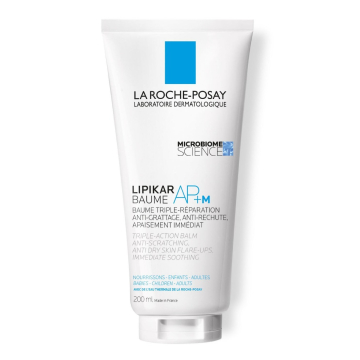 Out of stock
 -
 Out of stock
 -
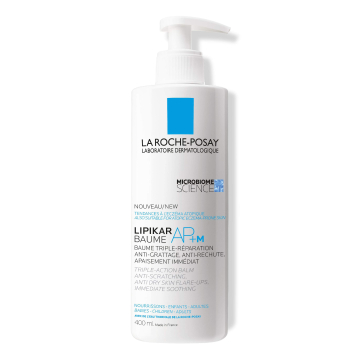 £20.00£25.00Out of stock
 -
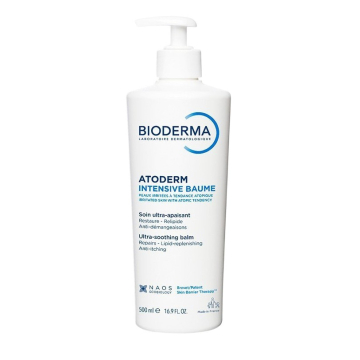 £16.80£24.00Out of stock
 -
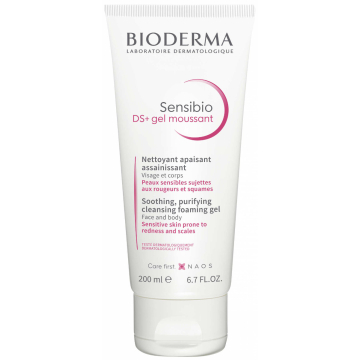 £12.60£18.00Out of stock
 -
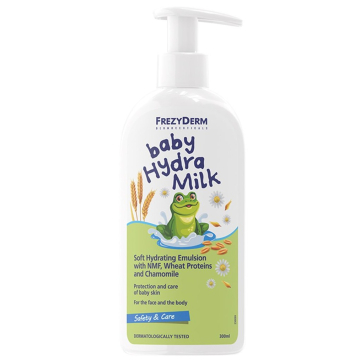 Out of stock
 -
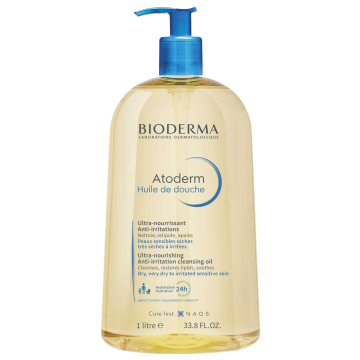 £15.40£22.00Out of stock
 -
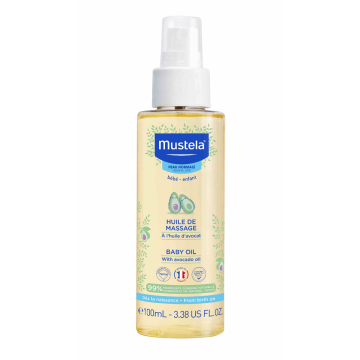 £10.49Out of stock
 -
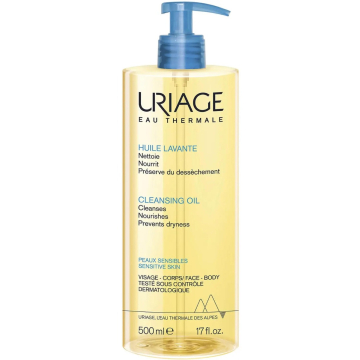 £13.25Out of stock
 -
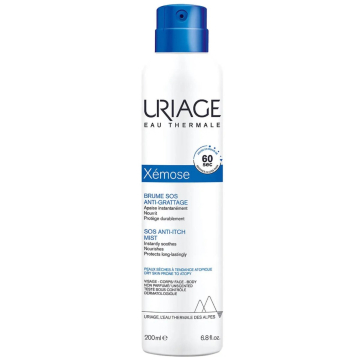 Out of stock


