


For many women, acne is something they expect to leave behind after their teenage years. So when breakouts suddenly appear — or return — during menopause, it can feel both frustrating and confusing. Yet menopause acne and hormonal breakouts are far more common than most people realise.
As oestrogen levels decline and hormones fluctuate, the skin goes through profound changes. Oil production, sensitivity, hydration levels and skin renewal are all affected, creating the perfect environment for breakouts — even on skin that’s never been acne-prone before.
The good news? With the right menopause skincare approach, hormonal acne can be managed effectively. This guide explains why menopause acne happens, which skincare ingredients truly help, and how to build a routine that supports clear, resilient skin through the change.
Why Menopause Acne Is More Common Than You Think
Menopause doesn’t just bring hot flushes and sleep disruption — it also has a direct impact on skin health. Many women experience a frustrating mix of breakouts, dryness, sensitivity and visible ageing all at once.
Unlike teenage acne, menopause acne is rarely caused by poor hygiene or overly oily skin alone. According to scientific research, it’s driven by hormonal imbalance, a weakening skin barrier and slower cell turnover. These changes mean skin behaves differently, reacts more easily and takes longer to heal.
Understanding Hormonal Fluctuations and Oestrogen Decline
Oestrogen plays a vital role in maintaining skin thickness, hydration and elasticity. As levels drop during perimenopause and menopause, oil-producing androgens become more dominant. This hormonal imbalance can stimulate excess sebum, clog pores and trigger inflammation — all key contributors to acne. At the same time, reduced collagen production weakens the skin’s structure, making breakouts slower to heal and more prone to pigmentation.
Why Menopause Acne Looks and Feels Different
Menopause acne tends to appear differently from teenage or early adult acne. Common characteristics include:
- Deep, sore or cystic spots
- Breakouts concentrated around the jawline, chin and neck
- Fewer blackheads but more inflamed lesions
- Spots that linger and leave marks behind
Because skin renewal slows with age, breakouts can feel more stubborn and persistent.
Other Menopause Skin Changes That Trigger Breakouts
Hormonal shifts also cause:
- Increased sensitivity, leading to redness and irritation
- A compromised skin barrier, allowing bacteria and irritants in
- Dehydration, which paradoxically can increase oil production
This is why aggressive acne treatments often backfire during menopause.
Perimenopause vs Menopause Acne – What’s the Difference?
Perimenopause, which can begin years before periods stop, is often when acne first appears. Hormone levels fluctuate unpredictably, leading to cyclical breakouts, increased oiliness and heightened sensitivity — often worsened by stress or disrupted sleep.
Even post-menopause, androgen dominance and long-term barrier damage can keep acne active. Without targeted menopause skincare, breakouts may continue despite periods ending.
The Best Skincare Ingredients for Hormonal Acne During Menopause
Gentle Actives That Balance Oil Without Irritation
Choosing the right active ingredients is crucial when managing menopause acne. Hormonal skin is often reactive, dehydrated and inflamed, so gentle yet effective actives work best.
- Niacinamide: One of the most versatile ingredients in menopause skincare, niacinamide helps regulate excess oil production while strengthening the skin barrier. It reduces redness, minimises the appearance of pores and improves overall skin resilience. Unlike harsher acne treatments, niacinamide is well tolerated by sensitive menopausal skin and supports long-term balance rather than quick fixes.
- Azelaic Acid: Azelaic acid is particularly effective for hormonal breakouts, as it targets acne-causing bacteria while calming inflammation. It also helps fade post-acne pigmentation, which can linger longer during menopause due to slower skin renewal. Suitable for sensitive skin, it offers visible results without the irritation often associated with stronger acids.
- Mandelic Acid: A gentler alpha hydroxy acid, mandelic acid exfoliates at a slower rate, making it ideal for menopausal skin prone to breakouts and sensitivity. It helps prevent clogged pores, smooth uneven texture and improve clarity without disrupting the skin barrier.
- Zinc PCA: Zinc PCA supports oil regulation and has natural anti-inflammatory properties. It helps reduce shine and congestion while maintaining skin hydration, making it especially beneficial for combination or hormonally imbalanced skin during menopause.
Hydrating Ingredients That Prevent Breakouts
Hydration is a key yet often overlooked element of menopause skincare. When skin becomes dehydrated, it may overproduce oil in an attempt to compensate, leading to clogged pores and hormonal breakouts. Choosing the right hydrating ingredients helps maintain balance without triggering congestion.
- Hyaluronic Acid: Hyaluronic acid attracts and holds moisture within the skin, helping to plump fine lines while reducing dehydration-related oil production. In menopausal skin, it supports elasticity and comfort without feeling heavy or greasy, making it suitable for acne-prone complexions.
- Glycerin: A powerful yet gentle humectant, glycerin draws water into the skin and strengthens the skin barrier over time. Well-tolerated by sensitive skin, it helps prevent irritation that can worsen hormonal acne, while keeping the complexion soft and supple.
- Ceramides: Ceramides are essential for repairing and maintaining the skin barrier, which often becomes compromised during menopause. A strong barrier helps keep irritants out, reduces inflammation and improves the skin’s ability to retain moisture — all crucial for preventing breakouts.
- Squalane: Squalane mimics the skin’s natural oils, delivering lightweight hydration without clogging pores. It helps soften the skin, reduce moisture loss and calm sensitivity, making it particularly beneficial for menopausal skin that feels both dry and breakout-prone.
Anti-Ageing Ingredients That Won’t Trigger Acne
During menopause, many women find themselves trying to treat breakouts and visible ageing at the same time. The key is choosing anti-ageing ingredients that support collagen production and skin renewal without overwhelming hormonally sensitive, acne-prone skin.
- Retinoids (Used Correctly): Retinoids remain one of the most effective ingredients for both acne and ageing. In menopause skincare, lower-strength retinoids used gradually can help regulate cell turnover, reduce congestion and soften fine lines without excessive irritation. Pairing retinoids with barrier-repair ingredients is essential for tolerance.
- Peptides: Peptides support collagen production and improve skin firmness without increasing oiliness or clogging pores. They are ideal for menopausal skin that needs structural support but reacts poorly to aggressive actives.
- Vitamin C: Vitamin C helps brighten dull skin, stimulate collagen synthesis and protect against environmental damage. For acne-prone menopausal skin, gentler or encapsulated forms of vitamin C can deliver anti-ageing benefits while minimising irritation and breakouts.
- Soy Isoflavones: Soy isoflavones are plant-based compounds that mimic some of oestrogen’s skin-supporting effects. They can help improve elasticity, firmness and hydration in menopausal skin, offering anti-ageing benefits without exacerbating hormonal acne.
Building a Menopause Skincare Routine for Hormonal Breakouts
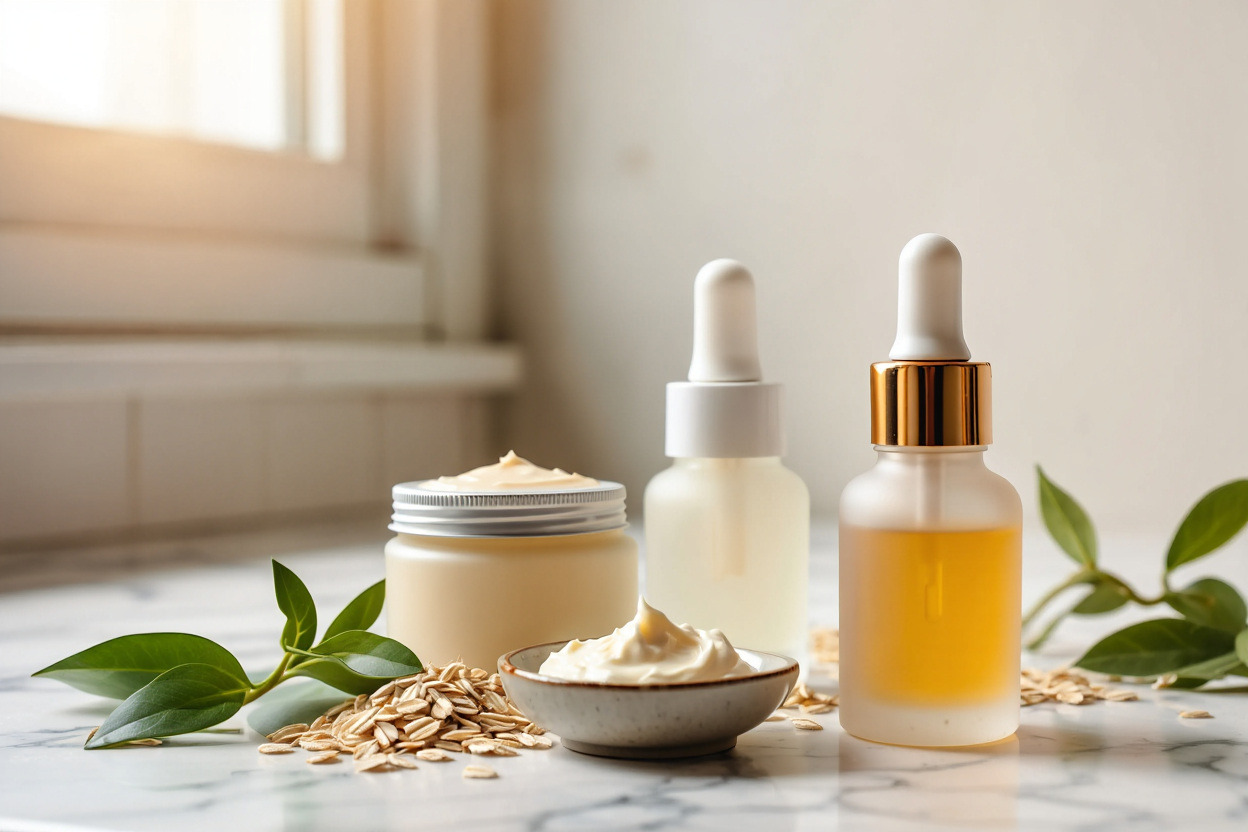

When it comes to menopause skincare, consistency and balance matter far more than using dozens of products. A well-structured routine should support the skin barrier, manage hormonal breakouts and address visible signs of ageing — without causing irritation or congestion.
Morning Skincare Routine for Menopause Acne
The morning routine focuses on protection and oil balance while keeping skin comfortable throughout the day.
Start with a gentle, non-foaming cleanser to remove overnight oil without stripping the skin. Follow with a lightweight hydrating serum, ideally containing hyaluronic acid or glycerin, to replenish moisture levels and prevent dehydration-related breakouts.
Next, apply a targeted treatment such as niacinamide or azelaic acid to help regulate oil production and calm inflammation. A non-comedogenic moisturiser with ceramides will support the skin barrier without feeling heavy.
Finish with a broad-spectrum SPF every day. Sun protection is essential during menopause, as UV exposure worsens pigmentation, collagen loss and post-acne marks.
Evening Skincare Routine to Support Repair and Renewal
Evenings are when skin repairs itself, making this the ideal time for active treatments.
Cleanse gently to remove makeup, sunscreen and pollutants — double cleansing can be helpful if you wear heavier products. Apply a retinoid or exfoliating treatment on alternate nights to encourage cell turnover and prevent pore congestion, introducing slowly to avoid irritation.
Follow with a barrier-repair moisturiser rich in ceramides, squalane or peptides to restore hydration and strengthen the skin overnight.
Above all, listen to your skin. Menopause skincare works best when routines are adjusted gradually and treated with patience rather than force.
How Often Should You Exfoliate Menopausal Skin?
Exfoliation should be approached cautiously during menopause, as skin is often thinner and more sensitive. For most menopausal skin types, exfoliating once or twice a week is sufficient to remove dead skin cells and prevent pore congestion. Gentle chemical exfoliants, such as lactic or mandelic acid, are usually better tolerated than physical scrubs. Signs of over-exfoliation include redness, tightness, increased breakouts and stinging.
Lifestyle Factors That Influence Menopause Acne
Stress, Cortisol and Hormonal Breakouts
While skincare plays a vital role in managing menopause acne, lifestyle factors often have just as much influence on how the skin behaves. Hormonal fluctuations during menopause make the skin more responsive to internal stressors, meaning everyday habits can either support clearer skin or unintentionally trigger breakouts. Stress is one of the most significant contributors. Elevated stress levels increase cortisol, a hormone that can stimulate oil production and inflammation, both of which worsen hormonal breakouts. During menopause, when the body is already navigating hormonal imbalance, prolonged stress can amplify skin flare-ups. Incorporating stress-reducing practices such as gentle exercise, breathing techniques or regular downtime can have a noticeable impact on skin clarity over time.
Sleep, Night Sweats and Skin Health
Sleep disruption is another common menopause challenge. Night sweats, insomnia and restless sleep interfere with the skin’s natural repair processes, leading to increased sensitivity, inflammation and slower healing of breakouts. Poor sleep can also affect hormone regulation, further contributing to acne. Supporting good sleep hygiene and adjusting skincare textures to feel comfortable overnight can help minimise congestion and irritation.
Diet and Menopause Skincare from Within
Diet also plays a supporting role in menopause skincare. Blood sugar spikes, highly processed foods and excessive alcohol may worsen inflammation and oil production in some women. Focusing on balanced meals with adequate protein, fibre and healthy fats can support hormone balance and skin function. Hydration is equally important, as dehydrated skin often produces more oil, increasing the risk of clogged pores.
When to Seek Professional Help for Menopause Acne
Signs Your Breakouts Need Medical Advice
While many cases of menopause acne can be managed with the right skincare routine and lifestyle adjustments, there are times when professional guidance is important. If breakouts are deep, painful or cystic, or continue to worsen despite consistent skincare changes, it may be a sign that medical treatment is needed. Acne that leads to scarring or persistent pigmentation can also benefit from early intervention, as menopausal skin heals more slowly. In some cases, sudden or severe acne may indicate underlying hormonal or health concerns that require assessment by a healthcare professional.
Dermatological and Hormonal Treatment Options
A dermatologist can offer targeted treatments tailored to menopausal skin, including prescription topical therapies that address acne without excessive irritation. In certain cases, oral medications may be recommended to reduce inflammation or regulate oil production. Hormonal treatments, including discussions around HRT, may also influence skin symptoms for some women. Professional treatments can provide reassurance, clarity and more effective long-term management when acne becomes persistent or distressing.
Conclusion: Clearer Skin Is Possible at Every Stage of Menopause
Menopause acne can feel unexpected and frustrating, especially when it appears alongside dryness, sensitivity and visible signs of ageing. Understanding the hormonal changes behind these breakouts is key to managing them effectively. With a gentle, well-balanced approach to menopause skincare — focusing on barrier repair, targeted actives and supportive lifestyle habits — it is entirely possible to calm inflammation, reduce breakouts and restore confidence in your skin at every stage of the menopause journey.
Above all, patience and consistency are essential. Menopausal skin responds best to thoughtful routines rather than aggressive treatments, and small adjustments often lead to meaningful improvements over time. If you’re ready to support your skin with thoughtfully formulated products, explore our Menopause Skincare collection and discover targeted solutions created to nurture, balance and protect skin through the change.