


Peptides can dramatically enhance the effectiveness of your skincare routine. As science-backed powerhouses, peptides have quickly risen to hero status in the world of skincare for their ability to communicate directly with skin cells—triggering rejuvenation, enhancing elasticity, and boosting hydration. Whether you're navigating early signs of ageing or looking to support your skin's long-term health, peptides offer a targeted, gentle, and effective solution. This guide dives deep into everything you need to know to harness the full potential of peptides, from understanding how they work at a molecular level to selecting the right formulations and incorporating them into your daily routine.
Understanding Peptides: The Building Blocks of Youthful Skin
Peptides are short chains of amino acids that serve as the fundamental building blocks of proteins like collagen, elastin, and keratin—key components that keep skin firm, smooth, and resilient. In skincare, peptides act as intelligent messengers, sending signals to skin cells to trigger repair processes, boost hydration, and stimulate the production of essential proteins. Because they mimic natural biological functions, peptides work harmoniously with the skin to restore balance and encourage rejuvenation from within. This makes them especially powerful in addressing visible signs of ageing, such as fine lines, sagging, and dullness.
What sets peptides apart from many other active ingredients is their ability to target specific concerns at a cellular level without causing irritation. Unlike more aggressive treatments, peptides are generally well-tolerated by all skin types, including sensitive skin. Their versatility allows them to be used in a wide range of formulations—from serums and moisturisers to eye creams—making it easy to incorporate them into your daily routine.
Types of Peptides Used in Skincare Formulations
Signal Peptides: Boosting Skin Communication for Renewal
Signal peptides direct skin cells to repair and regenerate. When applied topically, they bind to cell surface receptors, triggering processes that enhance the production of collagen, elastin, and other essential proteins. This cellular communication is crucial for maintaining the skin’s structural integrity and youthful appearance. Signal peptides counteract age-related changes by jump-starting the skin's renewal mechanisms, effectively “reminding” cells to behave like their younger, more active selves.
By accelerating collagen synthesis and encouraging cellular turnover, signal peptides play a vital role in skin rejuvenation. With consistent use, products containing signal peptides can help diminish fine lines, improve texture, and restore a radiant glow. Their ability to enhance communication between cells allows for more coordinated repair, making them particularly effective in targeting signs of ageing and environmental damage.
Carrier Peptides: Delivering Essential Minerals to Skin Cells
Carrier peptides play a vital role in skin health by facilitating the delivery of essential trace elements such as copper, magnesium, and zinc directly to skin cells. These minerals are crucial cofactors in numerous enzymatic processes that support the skin’s structural integrity and biochemical functions. By binding to these minerals, carrier peptides ensure they are effectively transported through the skin’s protective barrier and into the deeper layers where they can actively participate in cellular activities.
Copper peptides, in particular, have been extensively studied for their role in stimulating the production of collagen and elastin—two proteins that are fundamental to maintaining firmness, elasticity, and a youthful appearance. In this way, carrier peptides serve not just as delivery agents but also as active participants in skin renewal and repair.
Carrier peptides are known for their powerful wound-healing and anti-inflammatory properties. They help to calm irritated or damaged skin by regulating inflammatory responses and accelerating tissue regeneration. This makes them particularly beneficial for post-procedure care or for individuals with sensitive or compromised skin.
Neurotransmitter-inhibitor Peptides: Reducing Expression Lines
Neurotransmitter-inhibitor peptides are designed to target the root cause of expression lines by reducing muscle contractions in the face. These peptides work by interrupting the communication between nerves and facial muscles, effectively relaxing tension and minimising the repetitive movements that lead to dynamic wrinkles. They function in a manner similar to Botox, but without the need for injections or invasive procedures.
Over time, regular use of products containing neurotransmitter-inhibitor peptides can lead to a visible reduction in fine lines and an overall more youthful look. Unlike injectable treatments, these peptides offer a gradual improvement, which makes them an excellent choice for those seeking a non-invasive alternative. They also provide the benefit of targeted muscle relaxation without affecting the entire facial structure, allowing for natural expression without exaggerated stiffness.
Enzyme-inhibitor Peptides: Preventing Collagen Breakdown
Enzyme-inhibitor peptides play a critical role in maintaining the skin's structural integrity by targeting the enzymes responsible for breaking down collagen and other supportive proteins. One of their primary functions is to inhibit matrix metalloproteinases (MMPs), a group of enzymes that become more active with age, environmental stress, and UV exposure. When left unchecked, MMPs can degrade collagen and elastin, leading to a gradual loss of skin firmness, elasticity, and overall density. By slowing the activity of these enzymes, enzyme-inhibitor peptides help preserve the skin’s natural scaffolding, preventing the structural weakening that contributes to sagging and wrinkle formation.
Reading Skincare Labels: Spotting Powerful Peptides
Common Names of Effective Peptides to Look For
Understanding ingredient labels is key to identifying potent, well-formulated skincare products. Many effective peptides are known by specific names, often trademarked or labelled with their scientific structure. These peptides have been widely researched and are commonly included in high-performance formulations for their proven skin benefits.
Look for the following well-established peptides on the label:
- Matrixyl (palmitoyl pentapeptide-4 or palmitoyl tripeptide-1): Known for stimulating collagen production and smoothing fine lines.
- Argireline (acetyl hexapeptide-8): A neurotransmitter-inhibitor peptide that helps reduce facial tension and soften expression lines.
- Copper peptides (GHK-Cu): Promote healing, improve skin elasticity, and support collagen and elastin production.
- Syn-Ake (dipeptide diaminobutyroyl benzylamide diacetate): A synthetic peptide that mimics snake venom to reduce muscle contractions.
- Snap-8: A newer version of Argireline, offering enhanced wrinkle-reducing effects.
Peptides are usually listed toward the middle or top of the ingredient list in a well-formulated product, indicating a meaningful concentration.
Advanced Skincare Technologies That Enhance Peptide Delivery
To ensure peptides deliver maximum benefits, advanced skincare technologies like encapsulation, nanotechnology, and sustained release systems have become essential. These innovations help protect delicate peptide structures from degradation caused by exposure to light, air, or enzymes before they can penetrate the skin:
- Encapsulation involves enclosing peptides in protective carriers, such as liposomes or polymer-based shells, which shield them from external stressors and improve stability.
- Nanotechnology further enhances this process by reducing these carriers to microscopic sizes, allowing for deeper absorption into the skin’s layers where peptides can interact more effectively with target cells.
- Sustained release systems take things a step further by gradually delivering peptides over time, ensuring prolonged activity and reducing the need for frequent reapplication.
Avoiding Misleading Marketing and Low-Concentration Formulas
The term “peptide” is often used as a buzzword in skincare marketing, but not all products live up to the hype. Some include peptides in negligible amounts or use vague language that offers little clarity.
Watch out for:
- Generic terms like “peptide complex” or “anti-ageing peptides” without specifying which peptides are included.
- Peptides listed near the end of the ingredient list, which may indicate very low concentrations.
- Lack of supporting information or clinical data from the brand.
For best results, choose products that are transparent, list recognisable peptides, and ideally provide information on concentration or clinical testing.
How to Incorporate Peptides into Your Skincare Routine
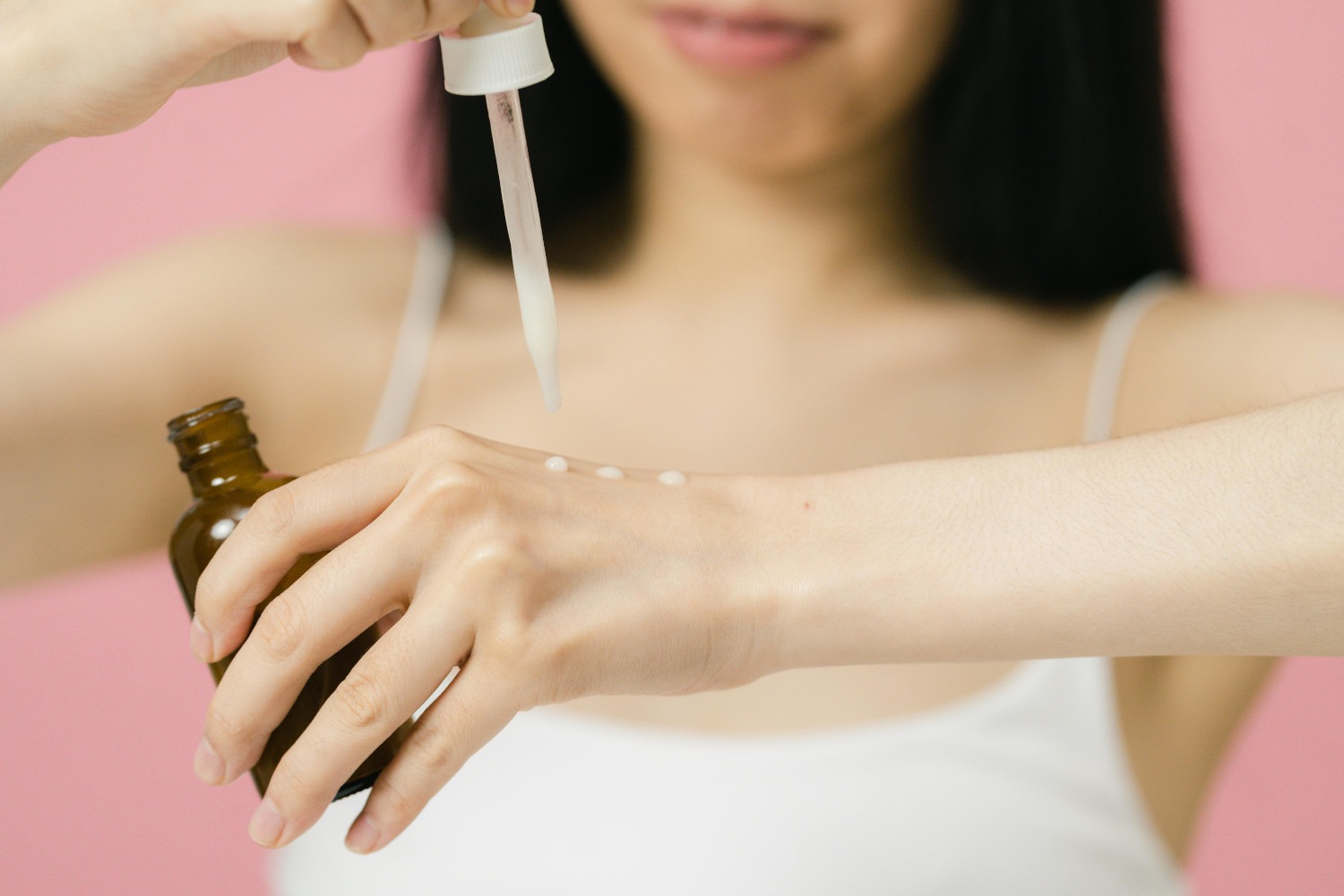

Choosing the Right Peptide Serum or Moisturiser
To maximise the benefits of peptides, start by selecting a high-quality product designed to deliver these active ingredients effectively. Look for serums or moisturisers where peptides are listed prominently in the ingredient list—typically within the top third. This usually indicates a higher concentration, which increases the likelihood of visible results. Opt for products from reputable, science-backed brands that provide clinical testing data, ingredient transparency, and customer reviews to support their claims.
When shopping for a peptide-based product, consider the following tips:
- Choose formulas that also include hydrating or barrier-supporting ingredients like hyaluronic acid or ceramides.
- Avoid products with unnecessary fragrances or alcohols if you have sensitive skin.
- Look for multi-peptide complexes for a broader range of benefits, such as firming, smoothing, and wrinkle reduction.
When to Apply Peptides in Your Morning and Night Regimen
Timing and application order are key to getting the most from your peptide products. Peptides are best applied to clean, slightly damp skin so they can absorb efficiently and work optimally.
For morning routines:
- Apply peptides after cleansing and toning.
- Follow with antioxidant serums (like Vitamin C at neutral pH), moisturiser, and sunscreen.
For evening routines:
- Apply peptides after cleansing and exfoliation (if part of your routine).
- Follow with a nourishing moisturiser or overnight treatment to lock in their effects.
Layering Peptides with Other Actives: What Works and What Doesn’t
Peptides are versatile and generally well-tolerated with most skincare ingredients, but they do have limitations when it comes to layering with certain actives.
Effective combinations:
- Hyaluronic acid: Enhances hydration and supports peptide penetration.
- Niacinamide: Strengthens the skin barrier and complements peptide functions.
Avoid combining peptides with:
- Low-pH Vitamin C (ascorbic acid) or strong AHAs/BHAs: These acidic ingredients can destabilise certain peptides, potentially diminishing their efficacy. Consider alternating their use (e.g., Vitamin C in the morning, peptides at night).
Expert Tips for Maximising Peptide Potency and Benefits
Proper Storage and Usage for Peptide Products
To get the most out of your peptide-based skincare products, proper storage and application are essential. Peptides are sensitive compounds that can degrade when exposed to heat, light, or air, so it's important to keep serums and creams in a cool, dark place—ideally in a drawer or cabinet away from direct sunlight. Some formulations may even benefit from refrigeration, depending on the manufacturer’s guidance. Always use clean fingers or a dedicated applicator tool when applying peptide products to avoid introducing bacteria or other contaminants that could affect the formula’s stability. Follow the instructions on the product label closely regarding the amount and frequency of use. Consistency is key—applying peptides regularly ensures the skin receives a continuous supply of these active ingredients, helping maintain their effectiveness over time.
Why Over-Exfoliating Can Undermine Peptide Benefits
While exfoliation is useful for removing dead skin cells and improving product absorption, overdoing it can have the opposite effect—especially when it comes to peptides. Excessive use of exfoliating acids or physical scrubs can weaken the skin’s protective barrier, leading to irritation, inflammation, and dehydration. A compromised barrier makes it more difficult for peptides to penetrate effectively and do their regenerative work. Since peptides rely on a healthy skin environment to signal repair and renewal, maintaining that balance is crucial. Instead of exfoliating daily, aim for a gentler routine that allows time for peptides to work without constant disruption. Alternating active ingredients or spacing out exfoliation days can help you strike the right balance for optimal results.
Supporting Your Skin with a Balanced Diet and Lifestyle
Topical peptides work best when supported by overall skin health, which begins from within. A nutrient-rich diet that includes lean proteins, fresh fruits and vegetables, antioxidants, and omega-3 fatty acids provides the building blocks needed for collagen synthesis and cellular repair. Hydration is equally important—well-hydrated skin is more receptive to active ingredients. Managing stress and prioritising sleep also contribute significantly to skin regeneration, as these factors influence hormonal balance and inflammation. Together, a healthy lifestyle and a thoughtful skincare regimen amplify the visible benefits of peptides, helping you achieve smoother, firmer, and more radiant skin.
How Long Before You See Results from Peptide Use
Understanding the Timeline for Visible Skin Improvements
When incorporating peptides into your skincare routine, patience and consistency are key. Peptides don’t deliver instant results, as they work by supporting and enhancing the skin’s natural regeneration processes. Most users begin to notice subtle but encouraging changes—such as firmer, smoother skin—within 4 to 12 weeks of consistent use. These improvements stem from increased collagen production, enhanced hydration, and better cellular communication. Since peptides operate at a cellular level, their effects compound gradually, meaning the longer and more regularly you use them, the more pronounced the benefits become. Results may vary based on skin type, age, the specific peptide formulation used, and how well it’s absorbed and supported by your overall skincare routine.
Early Signs That Peptides Are Working for Your Skin
In the early stages of peptide use, many users observe signs that indicate the product is starting to take effect. One of the first noticeable improvements is increased hydration, which leads to a plumper, more supple appearance. Fine lines may begin to soften, and the skin can appear more radiant and refreshed. As time progresses, peptides contribute to improved skin tone, smoother texture, and greater elasticity, revealing healthier, more youthful-looking skin overall.
Conclusion: Embrace the Power of Peptides for Radiant Skin
Peptides may be microscopic, but their impact on your skin is mighty. From boosting collagen and enhancing hydration to reducing fine lines and fortifying your skin’s barrier, these multitasking molecules deliver visible, long-lasting results when used correctly and consistently. Whether you're just beginning your anti-ageing journey or fine-tuning an advanced skincare regimen, peptides offer a science-backed, gentle solution that supports your skin’s natural vitality at every stage.
Now that you know how to choose the right formulations, layer them effectively, and avoid common pitfalls, it's time to take the next step. Ready to unlock your glow? Dive into the world of peptides and elevate your skincare game now!