


Living with rosacea can feel like navigating an unpredictable landscape: one minute your skin seems calm, and the next it’s flushed, irritated, and demanding attention. If you’ve ever found yourself scanning ingredient lists or hunting for gentle cleansers that won’t cause a flare-up, you’re certainly not alone. Rosacea affects millions of people in the UK, and while it’s a chronic condition, the right skincare routine can make a remarkable difference.
In this guide, we’ll walk through the essential pillars of rosacea skincare — cleansing, moisturising, and sun protection — and explore the ingredients, habits and daily practices that help skin look and feel its best. Whether you’re completely new to rosacea skincare or looking to refine an existing routine, this is your complete, research-backed starting point.
Understanding Rosacea and Why Skincare Plays a Key Role
Rosacea is a long-term skin condition characterised by facial redness, visible blood vessels, sensitivity, and, for some people, acne-like bumps. The symptoms vary from person to person, but one thing is universal: rosacea-prone skin is sensitive and reactive.
This means the skincare you choose — and how you use it — can either calm your complexion or fuel unwanted flare-ups. A well-designed daily routine helps:
- Strengthen the skin barrier
- Reduce redness and irritation
- Improve moisture retention
- Lower sensitivity over time
- Support other rosacea management approaches recommended by skincare professionals
Skincare won’t “cure” rosacea, but it can make the condition far more manageable.
What Makes Skin with Rosacea Unique?
Weakened or Fragile Skin Barrier
Rosacea-prone skin is often characterised by a significantly compromised skin barrier — a feature that helps explain its sensitivity, tendency to flush, and vulnerability to irritants. Research has demonstrated that in rosacea, the outermost skin layer and deeper barrier structures show substantial molecular and structural alterations compared with healthy skin. As a result of these changes the skin loses moisture more easily and struggles to retain it, contributing to dryness, dehydration and overall barrier fragility.
Heightened reactivity
Because of the compromised barrier, rosacea skin is particularly susceptible to triggers — from harsh cleansers to strong actives or environmental stress — meaning that every step in the skincare routine (cleansing, moisturising, sun care) must be chosen carefully to support and repair the barrier rather than exacerbate damage.
Chronic inflammation
Underlying inflammation drives the redness and the appearance of broken capillaries. Skincare that reduces inflammation can visibly improve symptoms.
Because of these factors, rosacea skincare should be gentle, simple, and soothing, focusing on strengthening the barrier rather than attacking the problem with harsh active ingredients.
The Daily Rosacea Skincare Routine: Cleanse, Moisturise, Protect
Step One: Gentle Cleansing for Rosacea-Prone Skin
Cleansing is the foundation of any effective rosacea routine, yet it's also one of the steps most likely to trigger irritation if the wrong product is used. Rosacea-prone skin benefits from cleansers that prioritise comfort and barrier protection above all else. Cream, milk and balm textures are usually ideal, as they rely on gentle emulsifiers rather than harsh foaming agents. Non-foaming or low-foam gels can also work well when formulated specifically for sensitive skin.
A pH-balanced cleanser (around 5.5) helps maintain the skin’s natural equilibrium, reducing the risk of tightness or stinging after rinsing. To prevent irritation and cumulative inflammation avoid ingredients known to compromise an already fragile barrier:
- Alcohol (SD alcohol, ethanol)
- Strong exfoliating acids (high-strength AHAs or BHAs)
- Menthol, camphor, eucalyptus
- Harsh surfactants like SLS/SLES
- Added fragrance or essential oils
Avoiding these ingredients helps reduce the likelihood of flare-ups and keeps the cleansing step supportive rather than disruptive.
Technique plays a major role in how skin responds to cleansing. Use lukewarm water — never hot — as heat increases blood flow to the skin, which can worsen redness. Gently massage the cleanser onto the skin using just your fingertips; avoid washcloths, sponges and anything abrasive. Rinse thoroughly without rubbing, and pat the skin dry with a soft towel to minimise friction.
Step Two: Choosing the Right Moisturiser for Redness-Prone Skin
For rosacea-prone skin, moisturiser isn’t just a comfort step — it’s essential for restoring and maintaining a healthy skin barrier. When the barrier is compromised, moisture escapes more easily and the skin becomes more reactive to environmental triggers. Choosing a moisturiser rich in barrier-repair ingredients, such as ceramides, glycerin, hyaluronic acid, squalane, or niacinamide helps reduce this vulnerability, significantly improve comfort and keep the skin feeling protected throughout the day.
The right texture depends on your skin type and the season. A formula that feels soothing and non-irritating is more important than choosing something trendy or fragranced.
- Gel-cream: ideal for combination or oilier skin.
- Light cream: suitable for normal or dehydrated skin.
- Richer cream or balm: best for dry, irritated or winter skin.
Even gentle products can sometimes cause temporary tingling on rosacea-prone skin, so applying moisturiser correctly is key. Start by applying it to slightly damp skin to enhance absorption and reduce friction. Introduce new products slowly — every two to three days — to monitor how your skin responds, and always patch test on a small area before full application. Avoid combining too many new skincare items at once; consistency and simplicity are far more effective than an overly complicated routine.
Step Three: Daily SPF Protection to Prevent Flares
UV exposure is one of the most powerful triggers for rosacea. Even brief sun exposure can lead to increased redness, flushing, and irritation, so SPF is essential year-round.
Mineral (or physical) SPFs containing zinc oxide or titanium dioxide. sit on the skin’s surface, reflecting UV rays. They tend to be less irritating than chemical filters, which are absorbed into the skin. To apply SPF without irritation:
- Choose SPF 30 or higher
- Apply after moisturiser every morning
- Allow time for layers to settle to avoid pilling
- Use a generous amount — a quarter teaspoon for the face
- Reapply if outdoors for extended periods
Even on cloudy days, UV rays penetrate the atmosphere. Consistent SPF application dramatically reduces flare-ups and supports long-term skin health.
Skincare Ingredients That Calm Rosacea and Reduce Redness
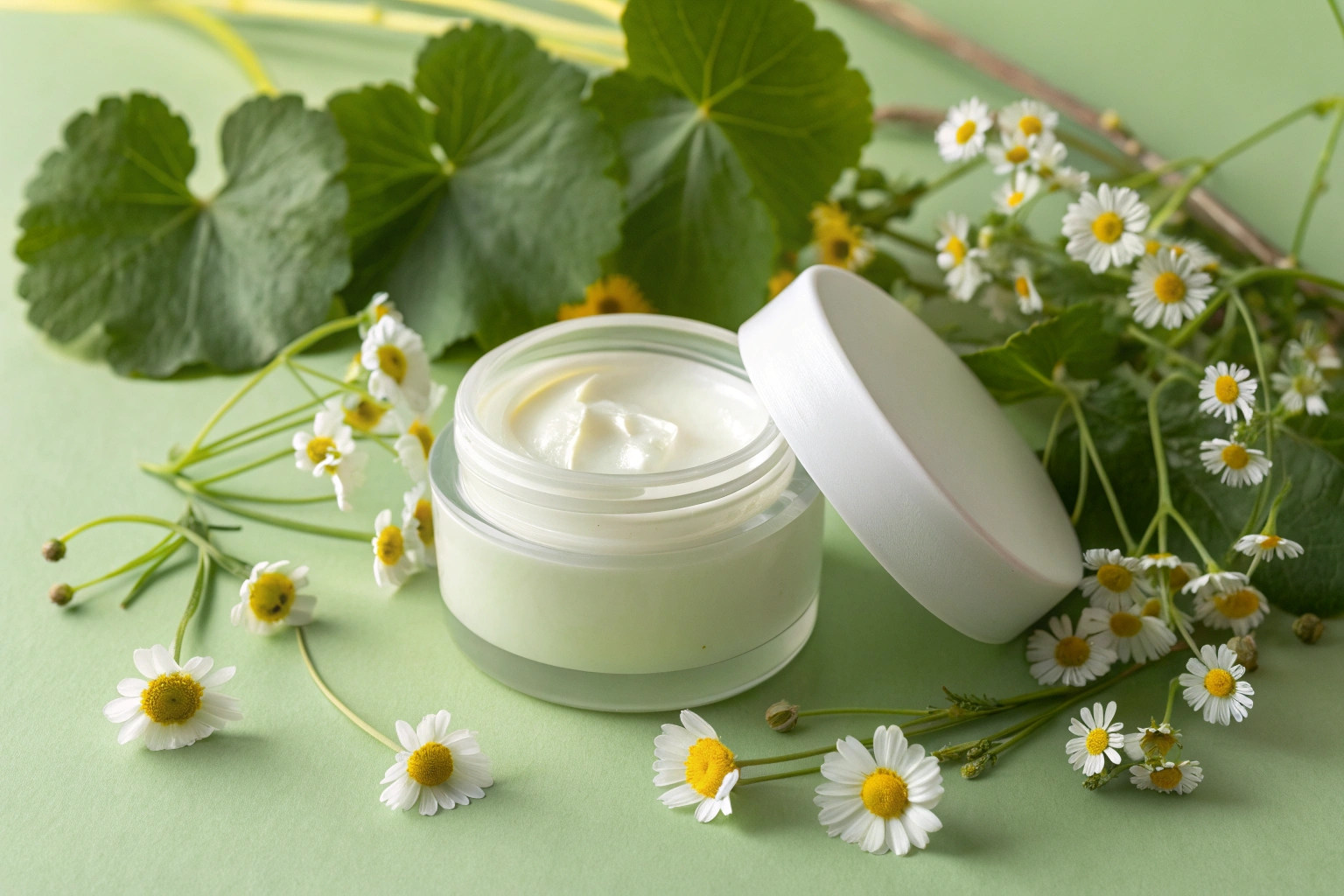

Finding the right ingredients can make a dramatic difference to rosacea-prone skin. While the condition itself cannot be cured with skincare alone, certain gentle, well-researched actives can help reduce visible redness, ease inflammation and support long-term skin comfort. Below are some of the most effective options to look for when choosing rosacea-friendly products.
Calming and Barrier-Supportive Ingredients for Rosacea
- Niacinamide: A standout ingredient for reducing visible redness, improving barrier strength and soothing irritation. It also helps regulate oil production, making it suitable for all skin types.
- Azelaic acid: Known for its anti-inflammatory and antibacterial properties, azelaic acid can help reduce rosacea-related bumps and general redness. It’s particularly beneficial in low-irritation formulations.
- Centella asiatica (CICA): A botanical extract rich in madecassoside and asiaticoside, which support healing, reduce inflammation and provide gentle, sustained soothing.
- Allantoin: A softening, calming ingredient that helps reduce discomfort and supports hydration.
- Green tea extract: Packed with polyphenols that help protect the skin from environmental stressors and calm irritation.
- α-Bisabolol: a highly effective calming compound derived from chamomile, known for its anti-inflammatory and skin-soothing properties, ideal for reducing redness and irritation in sensitive or rosacea-prone skin.
- Feverfew: A gentle plant extract known to reduce redness and support sensitive, stressed skin.
How These Ingredients Support Rosacea-Prone Skin
These ingredients play a key role in reducing irritation by targeting several of the underlying mechanisms of rosacea. For example, azelaic acid works by calming inflammation and reducing the appearance of pustules or bumps associated with papulopustular rosacea. While it is classed as an active, it tends to be well tolerated in formulations designed for sensitive skin, and can visibly improve skin tone and texture when introduced gradually.
Niacinamide, another hero ingredient, strengthens the skin barrier by increasing ceramide production and reducing moisture loss. Since a compromised barrier is a major feature of rosacea, this support can significantly decrease sensitivity over time. Meanwhile, botanical extracts such as centella asiatica and green tea provide antioxidant and anti-inflammatory benefits, helping to minimise flushing episodes triggered by environmental stress.
Introducing Ingredients Safely
When working with rosacea, the way you introduce new ingredients is just as important as what you choose. Start with gentle concentrations, apply them every other day at first, and always patch test on a small area. Avoid combining multiple new products at once, as this can overwhelm the skin and make it difficult to identify what works best for you. With a slow, steady approach, these calming ingredients can greatly improve redness, comfort and resilience.
Common Skincare Mistakes That Make Rosacea Worse
Even with the best intentions, it’s surprisingly easy to fall into habits that inadvertently irritate rosacea-prone skin. Understanding these common pitfalls can help you avoid unnecessary flare-ups and build a routine that genuinely supports long-term skin calmness and resilience.
Over-Exfoliating
Exfoliation is often promoted as a path to brighter, smoother skin, but for rosacea, it can be a fast track to irritation. Physical scrubs with grains, beads or rough cloths can create micro-damage, worsening redness and sensitivity. Strong chemical exfoliants such as high-strength AHAs or BHAs can also disrupt the already fragile barrier. While gentle exfoliating acids may be appropriate for some people under dermatological guidance, they should be introduced with caution. Most rosacea-prone skin types do best keeping exfoliation minimal or avoiding it altogether.
Using Multiple New Products at Once
When you’re trying to calm persistent redness, it can be tempting to overhaul your entire routine overnight. However, introducing several new products simultaneously makes it difficult to identify what your skin is reacting to. Rosacea skin thrives on consistency and simplicity; adding products one at a time, with a few days in between, allows you to observe what truly suits your skin. This slow approach also reduces the likelihood of overwhelming your barrier.
Choosing Products with Fragrance or Essential Oils
When you’re trying to calm persistent redness, it can be tempting to overhaul your entire routine overnight. However, introFragrance — whether synthetic or naturally derived — is a common irritant for rosacea. Essential oils such as lavender, citrus, rosemary or peppermint may smell appealing, but they can trigger stinging and inflammation. Even products marketed as “natural” or “botanical” can contain potent plant extracts that are too strong for reactive skin. Opting for fragrance-free formulas is one of the easiest and most effective ways to reduce flare-ups.
Skipping SPF
Sun exposure is one of the most reliable triggers for rosacea symptoms. Even brief exposure can worsen redness, increase sensitivity and prolong flare-ups. Skipping SPF leaves the skin unprotected against UV-driven inflammation. Using a daily SPF — ideally a gentle mineral formula — is one of the most protective steps you can take.
Using Hot Water
Heat dilates blood vessels and can make flushing significantly worse. Cleansing or showering with hot water often leads to flare-ups that last long after the heat exposure ends. Choosing lukewarm water instead helps keep sensitivity under control.
Extra Tips for Managing Rosacea Day-to-Day
Rosacea management isn’t only about choosing the right skincare — daily habits and lifestyle adjustments play a major role in reducing flare-ups and helping your skin stay consistently calm. Understanding how your environment, routine and choices affect your skin can make a noticeable difference in how comfortable and stable your complexion feels.
Identify and Avoid Personal Triggers
Rosacea triggers vary widely from person to person, but some common ones include spicy foods, caffeine, hot drinks, alcohol, emotional stress, vigorous exercise and extreme temperatures. Keeping a simple symptom diary can help you spot patterns that might not be obvious at first. By noting when flushing occurs and what you were eating, drinking or doing beforehand, you can identify specific triggers and adapt your habits without feeling overly restricted. Limiting rather than eliminating certain triggers often provides a comfortable balance.
Be Gentle When Shaving or Removing Makeup
Mechanical friction is a major aggravator of rosacea, so the way you remove makeup or shave matters enormously. Use soft, non-woven cotton pads or, ideally, your fingertips with a gentle cleansing milk or balm to dissolve makeup. Avoid waterproof mascaras or heavy long-wear formulas if they require harsh rubbing to remove. When shaving, opt for a soothing, non-foaming gel or cream designed for sensitive skin, and use light pressure. Always follow up with a calming moisturiser and avoid alcohol-based aftershaves.
Build a Minimalist Routine
Rosacea thrives on simplicity. A streamlined routine reduces the chance of irritation, making it easier for your skin to stay balanced. Focus on three core steps — gentle cleansing, moisturising and sun protection — and only add extra products if they clearly benefit your skin. Minimalist routines are also easier to maintain, making long-term consistency more achievable.
Know When to Seek Professional Advice
If redness, burning or inflammation remain persistent despite careful skincare, or if you develop rosacea-related bumps or eye irritation, it may be time to see a dermatologist. Some people may be recommended additional treatments by a dermatologist if symptoms persist. For personalised advice, it’s best to consult a qualified skincare professional. Early intervention often leads to better, more stable results.
Conclusion: Building a Rosacea Routine That Works for You
Managing rosacea is a journey, but with a gentle, consistent routine built around cleansing, moisturising and protecting, your skin can become far calmer, more resilient and noticeably more comfortable. By understanding your triggers, choosing soothing ingredients and keeping your routine simple, you give your skin the best chance to thrive — even on days when it feels unpredictable. Rosacea may be a long-term condition, but with the right daily habits, you can take back control and feel more confident in your skin. If you’re ready to build a routine that truly supports your complexion, start applying these steps today and see how much calmer your skin can become.
Disclaimer: This article provides general skincare information only and is not a substitute for medical advice. For personalised recommendations, please consult a qualified skincare professional..