


You carefully choose a cleanser, serum or moisturiser that promises brighter, healthier-looking skin, only to discover that your face suddenly feels tight, itchy, red or uncomfortably warm. For people with reactive skin, even products marketed as gentle, natural or suitable for sensitive skin can quietly trigger irritation. In many cases, the problem is not your entire skincare routine, but one or two specific ingredients that your skin simply does not tolerate well.
Reactive skin is often confused with sensitive skin, yet it can affect almost anyone, particularly when the skin barrier has become weakened by harsh products, over-exfoliation or too many active ingredients. Fragrance, essential oils, drying alcohols and strong exfoliants are some of the most common culprits hiding in everyday skincare. In this article, we explain what reactive skin is, which ingredients are most likely to cause flare-ups, and how to build a routine that helps calm and protect your skin.
What Is Reactive Skin?
Reactive skin is skin that becomes irritated more easily than normal. It tends to overreact to products, weather changes, stress, heat, pollution or even ingredients that other people may use without any issues. A reaction may happen immediately after applying a product, or it may take days or even weeks to develop. This is one reason why reactive skin can be so difficult to identify. You may not instantly connect your redness or irritation with a product you started using several weeks earlier.
Common symptoms of reactive skin include:
- Redness, stinging, burning or itching sensation.
- Feeling of dryness or tightness.
- Flaky patches.
- Small bumps or rough areas.
- A feeling that the skin is “hot” or uncomfortable.
Is Sensitive Skin the Same as Reactive Skin?
Reactive skin is often confused with sensitive skin, but there is a subtle difference. Sensitive skin is usually an ongoing skin type, meaning the skin is naturally more delicate and easily irritated. Reactive skin, on the other hand, describes how the skin behaves in response to certain triggers.
It is also important not to confuse reactive skin with an allergy. A true allergic reaction usually involves the immune system and may cause severe swelling, hives or a rash. Skin conditions such as eczema, rosacea and dermatitis can also make the skin more reactive, but you do not need to have a diagnosed condition in order to experience flare-ups.
In fact, even people who have never considered themselves to have sensitive skin can suddenly find that their complexion becomes more reactive after using too many active ingredients, over-exfoliating or damaging their skin barrier.
It is also worth remembering that “natural” does not always mean gentle. Many people assume that botanical or plant-based ingredients are automatically better for the skin, but according to the scientific research, natural extracts and essential oils are among the most common causes of irritation.
The Most Common Skincare Ingredients That Cause Irritation
Why Fragrance in Skincare Is One of the Biggest Causes of Reactive Skin
Fragrance is one of the most common causes of skin irritation in skincare products. It is often added to make products smell more luxurious or pleasant, but for reactive skin it can be surprisingly problematic.
On ingredient lists, fragrance may appear as “fragrance”, “parfum” or as individual fragrance compounds such as linalool, limonene, citronellol and geraniol. The difficulty is that a product may contain dozens of fragrance ingredients without clearly listing each one individually. Brands are often allowed to group them together under the term “parfum”.
Fragrance can trigger redness, itching, stinging, dry patches, and increased sensitivity over time. Even if you do not notice an immediate reaction, repeated exposure can slowly make the skin more reactive. This is especially true if fragrance is present in multiple products in your routine.
If your skin often feels irritated for no obvious reason, switching to fragrance-free products can make a noticeable difference.
How Essential Oils Can Trigger Redness and Skin Flare-Ups
Essential oils are often marketed as natural, soothing and beneficial, but they are surprisingly common triggers for reactive skin. Lavender oil, peppermint oil, eucalyptus oil, tea tree oil and citrus oils are among the ingredients most likely to cause problems. Although these oils may have antibacterial or refreshing properties, they can also be highly sensitising.
Citrus oils such as lemon, bergamot and orange can be particularly irritating because they may increase sensitivity to sunlight. This can leave the skin more prone to redness and inflammation.
Why Alcohol Denat and Drying Alcohols Can Irritate Reactive Skin
Certain types of alcohol are commonly used in skincare to create a lightweight texture or help products absorb more quickly. However, some forms of alcohol can be very drying and irritating. The main drying alcohols to look out for include:
- Alcohol denat
- Ethanol
- Isopropyl alcohol
- SD alcohol
These ingredients can strip away the skin’s natural oils, leaving the barrier weaker and more vulnerable. As a result, the skin may start to feel tight, dry and increasingly reactive. Alcohol-based toners and spot treatments are particularly common culprits.
It is important to know that not all alcohols are harmful. Fatty alcohols such as cetyl alcohol, stearyl alcohol and cetearyl alcohol are very different. These are generally considered beneficial because they help soften and moisturise the skin.
Which Exfoliating Acids Are Most Likely to Cause Irritation?
Exfoliating acids can be incredibly effective for smoothing the skin, reducing congestion and improving texture. However, when they are overused, they can easily lead to irritation. Common exfoliating acids include:
- Glycolic acid
- Salicylic acid
- Lactic acid
- Mandelic acid
These ingredients work by removing dead skin cells from the surface of the skin. In small amounts, this can help the complexion appear brighter and clearer. But if the acids are too strong or used too often, they can weaken the skin barrier and trigger redness, peeling and sensitivity.
Glycolic acid is particularly potent because it penetrates deeply into the skin. Salicylic acid can also become drying when combined with other active ingredients.
A common mistake is using several exfoliating products at once. For example, someone may use an acid cleanser, an exfoliating toner and a resurfacing serum in the same routine without realising how much stress they are placing on their skin. If your skin is reactive, it is usually best to use exfoliating acids sparingly and avoid strong peels or daily exfoliation.
Can Retinol and Strong Active Ingredients Cause Skin Redness?
Retinoids are widely praised for helping with acne, pigmentation and signs of ageing, but they are also one of the most common causes of irritation. Retinol, retinal and prescription-strength retinoids can all lead to dryness, peeling, redness, burning, and increased sensitivity. These effects are particularly common when the product is introduced too quickly or used too often.
Vitamin C can also trigger irritation, especially in high concentrations or acidic formulas. Some people find that combining vitamin C with retinol, exfoliating acids or strong cleansers leaves their skin feeling overwhelmed.
The safest approach is to introduce active ingredients gradually. Start by using them once or twice a week, then slowly increase the frequency if your skin tolerates them well.
How Sulphates and Foaming Cleansers Can Damage the Skin Barrier
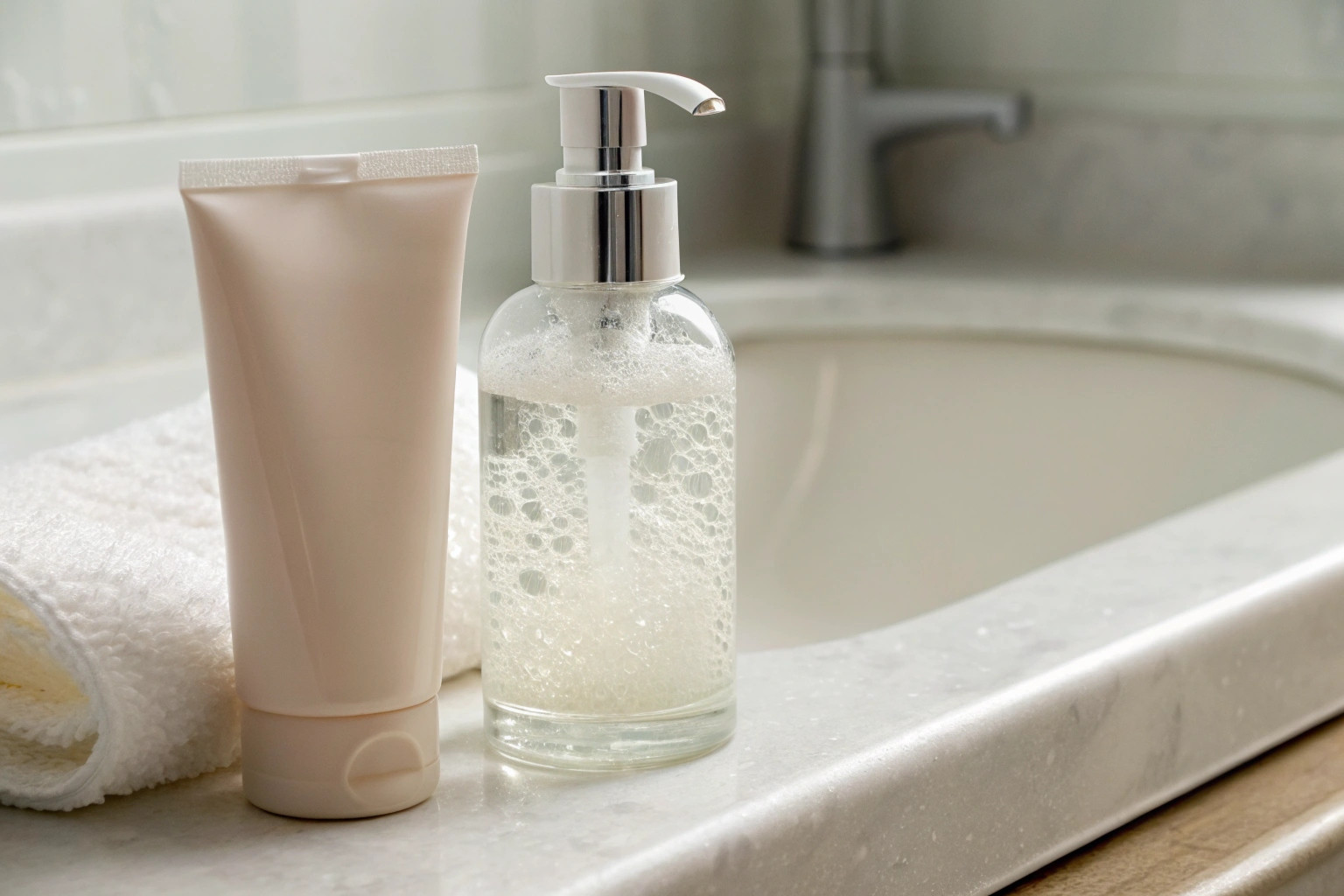

Many cleansers rely on sulphates to create a rich, foamy lather. While this can leave the skin feeling very clean, it can also strip away the natural oils that help protect the skin barrier. One of the most common sulphates is sodium lauryl sulphate, often shortened to SLS.
For reactive skin, sulphates can contribute to dryness, tightness, redness, and irritation after cleansing. If your face often feels uncomfortable immediately after washing, your cleanser may be part of the problem. A gentler cream cleanser, milk cleanser or low-foam formula is usually a better choice for reactive skin.
Which Skincare Preservatives Commonly Trigger Irritation?
Preservatives are necessary in skincare because they prevent bacteria and mould from growing inside products. Without preservatives, skincare would spoil quickly and could become unsafe to use. However, certain preservatives are more likely to trigger irritation than others:
- Methylisothiazolinone
- Methylchloroisothiazolinone
- Formaldehyde-releasing preservatives
- Benzalkonium chloride
These ingredients are more commonly found in cleansers, wipes and lower-cost skincare products. Not everyone will react to them, but if your skin is persistently irritated and you cannot work out why, checking the ingredient list for these preservatives may help.
Why Physical Scrubs and Rough Exfoliants Can Worsen Reactive Skin
Not all irritation comes from chemical ingredients. Physical exfoliants can also be problematic. Face scrubs made with walnut shell, apricot kernels, sugar crystals or rough grains can create tiny tears in the skin. Cleansing brushes and abrasive cloths may have a similar effect. Although the skin may initially feel smoother, repeated friction can damage the skin barrier and make redness worse.
If your skin is already reactive, gentle exfoliation is usually safer than harsh scrubbing.
How to Calm Reactive Skin and Rebuild Your Routine
When your skin feels irritated, the best approach is usually to simplify your routine rather than adding more products in an attempt to fix the problem.
Simplify Your Skincare Routine to Calm Reactive Skin
Temporarily reduce your skincare routine to the basics:
- Use a gentle, fragrance-free cleanser that removes dirt and excess oil without stripping the skin.
- Follow with a simple moisturiser designed to support the skin barrier and provide lasting hydration.
- During the day, always apply a broad-spectrum SPF to help protect reactive skin from further irritation caused by sun exposure.
Avoid exfoliants, retinoids, strong serums and heavily fragranced products until your skin feels calmer. Giving the skin a chance to rest can make a dramatic difference.
The Best Barrier-Repair Ingredients for Reactive and Sensitive Skin
Once the irritation begins to settle, focus on products that help support and repair the skin barrier. Ingredients that are often well tolerated include:
- Ceramides: help restore and strengthen the skin barrier by replacing the lipids that reactive skin often lacks.
- Glycerin: draws moisture into the skin and helps prevent the dryness and tightness associated with irritation.
- Colloidal oatmeal: known for its soothing properties and can help reduce itching, redness and discomfort.
- Panthenol: also known as provitamin B5, supports healing and helps calm inflamed or sensitive skin.
- Niacinamide: can help reduce redness, strengthen the skin barrier and improve the skin’s overall resilience.
- Hyaluronic acid: helps the skin retain moisture and can leave reactive skin feeling softer and more comfortable.
These ingredients help replenish moisture, reduce dryness and strengthen the skin’s natural defences.
How to Reintroduce Skincare Products Without Triggering Flare-Ups
When your skin is calmer, resist the temptation to return to your old routine all at once. Instead, introduce only one new product every one to two weeks. This makes it much easier to identify whether a particular ingredient is causing irritation. If a product triggers redness or stinging, stop using it and give your skin time to recover before trying anything else.
When Reactive Skin Symptoms Mean You Should See a Dermatologist
Sometimes, persistent skin irritation can indicate an underlying condition such as rosacea, eczema, perioral dermatitis or an allergy. If your symptoms are severe, painful or do not improve after simplifying your routine, it is worth seeking professional advice. You should also see a dermatologist if you experience swelling, blistering, cracking skin, a rash that spreads, or persistent burning or pain.
A dermatologist may be able to identify specific triggers and recommend products or treatments that are more suitable for your skin.
Conclusion
Reactive skin can feel confusing and difficult to manage, particularly when the ingredients causing the problem are hiding in products you use every day. Fragrance, essential oils, drying alcohols, exfoliating acids, sulphates and strong active ingredients are among the most common triggers. Even products that are marketed as natural or suitable for all skin types can quietly contribute to irritation and unwanted flare-ups.
The good news is that reactive skin often improves once you understand what your skin is responding to. By paying closer attention to ingredient lists, simplifying your routine and introducing products slowly, you can reduce redness, rebuild your skin barrier and help your complexion feel calmer and more comfortable again.