


Achieving a flawless, natural-looking complexion doesn’t have to involve heavy foundations or complicated routines. Enter tinted moisturisers and make-up bases—the unsung heroes of modern beauty. These versatile products offer the perfect balance between skincare and light coverage, giving your skin a healthy glow while simplifying your daily regimen. Whether you’re a beauty novice or a seasoned make-up enthusiast, learning how to use these products effectively can elevate your look and improve your skin’s overall appearance. In this guide, we’ll walk you through expert tips and application techniques tailored for every skin type, helping you avoid common pitfalls and customise your routine for different occasions and seasons.
Understanding the Basics: What Are Tinted Moisturisers and Make-up Bases?
Tinted moisturisers and make-up bases, though often used interchangeably, serve distinct functions within a comprehensive beauty routine. A tinted moisturiser is a hybrid product—a cross between a lightweight foundation and a hydrating cream. Its primary purpose is to even out skin tone while delivering moisture, making it an excellent choice for those seeking a natural, radiant finish without the weight of full-coverage make-up.
In contrast, a make-up base—often referred to as a primer—is designed to create an optimal canvas for make-up application. It smooths out the skin’s surface, minimises the appearance of pores and fine lines, and helps prolong the longevity of make-up. Some bases come with colour-correcting properties or added skincare benefits such as luminosity, oil control, or hydration.
Key Benefits of Tinted Moisturisers for Seamless Coverage
Unlike traditional foundations, which are often pigment-heavy and designed to provide opaque coverage, tinted moisturisers emphasise breathability and skincare. They are formulated to blend seamlessly into the skin, offering just enough pigment to soften imperfections while maintaining a “skin-like” finish.
For daily wear, the benefits of tinted moisturisers are manifold. They are convenient, multifunctional, and often infused with skincare ingredients like hyaluronic acid, niacinamide, or SPF. Their sheer coverage allows the skin’s natural texture to shine through, appealing to those who favour a minimalist, barely-there aesthetic. Whether you're running errands, attending casual meetings, or simply prefer a pared-down routine, tinted moisturisers provide the ideal balance of hydration and subtle enhancement.
Know Your Skin Type: The Foundation of Perfect Application
To master the art of using tinted moisturisers and make-up bases, one must first understand the intricacies of their own skin. Skin types—oily, dry, combination, sensitive, or normal—determine not only which products are most suitable but also how they should be applied.
- Oily skin tends to produce excess sebum, often resulting in shine, enlarged pores, and make-up slippage. For this skin type, opt for oil-free, mattifying tinted moisturisers and silicone-based primers that control oil and provide a smooth base. A lightweight, gel-like formula can help combat greasiness without clogging pores.
- Dry skin, on the other hand, benefits from rich, emollient formulas infused with nourishing ingredients like peptides, ceramides or glycerin. Dewy-finish tinted moisturisers with creamy textures are ideal, and hydrating primers containing squalane or hyaluronic acid can enhance absorption and prevent flakiness.
- Combination skin requires strategic product placement. Use a hydrating tinted moisturiser overall but focus mattifying primer on the T-zone to control shine while keeping drier areas moisturised.
- Sensitive skin necessitates fragrance-free, non-comedogenic formulations, ideally with calming ingredients such as chamomile or aloe vera.
Prepping Your Canvas: Essential Skincare Before Application
Proper skincare preparation is critical for creating a smooth, hydrated, and receptive canvas that enhances the performance and longevity of tinted moisturisers and make-up bases.
Start with a gentle but effective cleanser to remove dirt, oil, and dead skin cells that could interfere with product absorption. Clean skin ensures that make-up adheres evenly and stays put throughout the day. Follow this with a toner suited to your skin type. Toners help to restore the skin’s natural pH balance, minimise the appearance of pores and provide a refreshing boost of hydration.
Next, focus on hydration and moisturisation, which are non-negotiable steps for all skin types. Hydrated skin prevents patchiness, flaking, and uneven product absorption. Once moisturised, allow products to absorb fully before moving on to make-up. Rushing this step can cause pilling, where products ball up on the skin surface, making blending difficult.
Proper skin prep not only enhances make-up application but also improves the skin’s overall appearance, making your final look more radiant and long-lasting.
Perfecting Application: Techniques for Seamless Blending
The method of application can profoundly influence the finish, texture, and longevity of tinted moisturisers and make-up bases. The right technique ensures that the product melds beautifully with your skin, avoiding streaks, patches, or uneven coverage.
Choosing the Right Application Tool
Each application tool—fingers, brushes, or sponges—delivers a unique effect on the skin:
- Fingers: The warmth of your hands helps melt the product into the skin for a sheer, natural finish. This technique is ideal for light, everyday wear, especially when using tinted moisturisers. It promotes a second-skin look but may lack precision, particularly around tricky areas like the nose or hairline.
- Brushes: Stippling brushes or flat-top kabuki brushes offer more control and buildable coverage. They’re excellent for creating an airbrushed finish and are perfect when you want to layer product for more coverage without disturbing the layers underneath.
- Sponges: Damp beauty sponges (like beauty blenders) deliver the most seamless, diffused finish. They help prevent excess product build-up and are ideal for minimising the appearance of pores and blending over textured areas. Patting motions with a sponge ensure even distribution and a smooth result.
Application Tips for Flawless Results
Beyond the tool, the amount of product used plays a critical role. Start with a pea-sized amount and gradually build coverage. Applying too much at once can result in a cakey appearance, especially if your skin hasn’t been properly prepped.
For best results:
- Focus application on the centre of the face, then blend outward to mimic natural light and coverage distribution.
- Use circular or patting motions to avoid streaks and patchiness.
- Pay extra attention to the jawline and hairline, blending thoroughly to prevent visible lines of demarcation.
Tinted Moisturisers and Sun Protection: A Dual Approach
While many tinted moisturisers boast SPF on their labels, it’s essential to understand the limitations of relying solely on them for sun protection. The SPF rating reflects the level of protection achieved under laboratory conditions, where a generous amount of product—usually far more than people typically apply—is used. In everyday use, most individuals apply only a thin layer of tinted moisturiser, which can significantly reduce its protective effectiveness. This common oversight leaves the skin vulnerable to UV damage, potentially accelerating signs of ageing and increasing the risk of sunburn.
The Importance of Layering Sunscreen and Tinted Moisturiser
To ensure optimal protection, layering a dedicated sunscreen underneath your tinted moisturiser is widely recommended by dermatologists and skincare professionals. A lightweight, broad-spectrum sunscreen with an SPF of at least 30 offers reliable coverage against both UVA and UVB rays. After completing your regular skincare routine—including cleansing, toning, and moisturising—apply sunscreen generously and evenly across all exposed areas of your face and neck. Allow it to absorb fully for at least one minute before moving on to your primer or tinted moisturiser. This pause helps prevent product pilling and ensures smooth, even make-up application.
The correct order of application is crucial: sunscreen should always come after skincare and before any make-up products, including primers or tinted moisturisers. This layering technique allows each product to perform its intended function without compromising sun protection or finish.
Layering Like a Pro: Using Tinted Moisturisers with Other Products
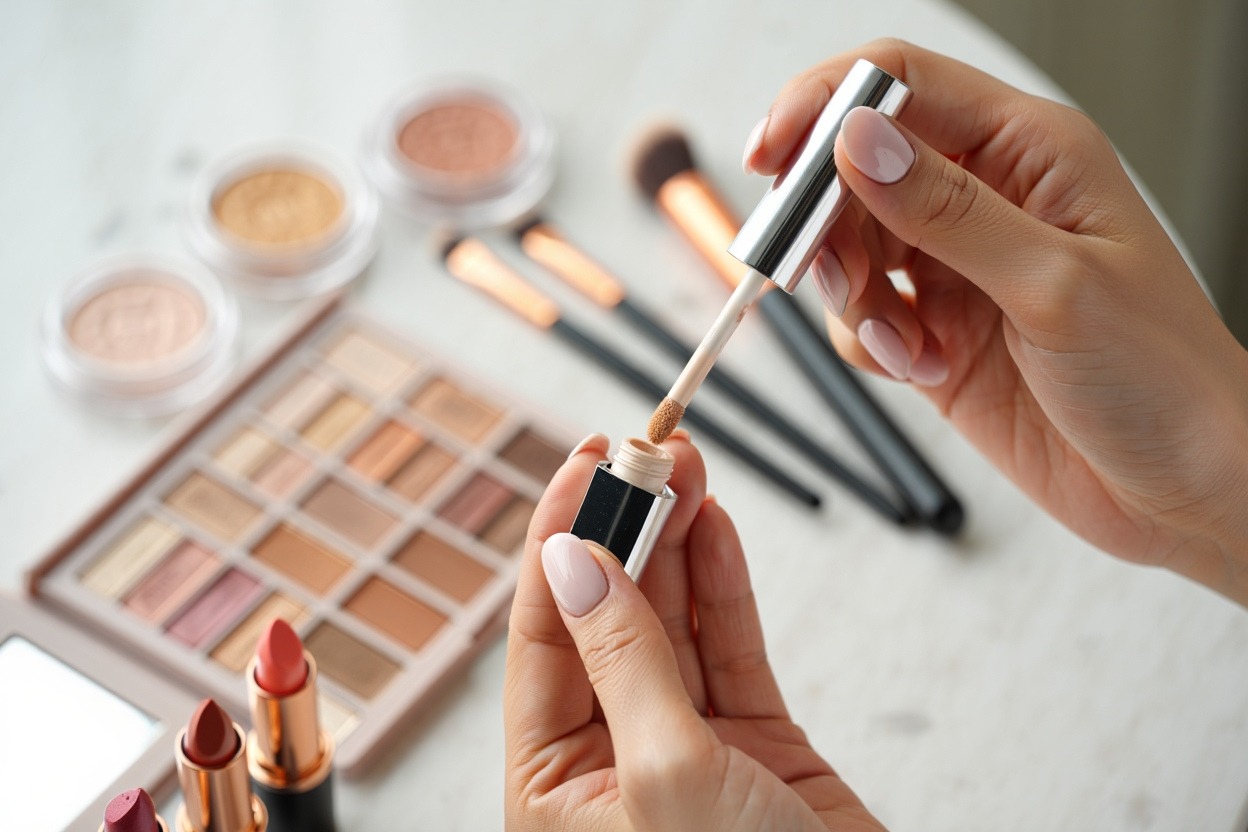

Tinted moisturisers can serve as the foundation—both literally and figuratively—of a more elaborate make-up look. Their lightweight, breathable texture makes them an excellent base for layering with other complexion products. The key to success lies in thoughtful product selection and careful application to maintain a seamless, skin-like finish.
Building Your Look: How to Layer Concealer, Powder, and Blush Over Tinted Moisturiser
Start by applying your tinted moisturiser evenly across the face, ensuring it is well-blended and fully absorbed before moving on to other products. Once the base is set, concealer comes next. This step allows you to target specific areas needing extra coverage, such as dark under-eye circles, redness around the nose, or isolated blemishes. Choosing a creamy, buildable concealer will help it blend effortlessly into the tinted base without creating obvious texture differences. Using your ring finger or a damp make-up sponge to press the concealer into the skin helps achieve a natural look while preventing disruption of the underlying layers.
Setting your make-up with powder is optional and should be tailored to your skin type. Those with oily or combination skin may want to lightly dust a translucent or finely milled setting powder over areas prone to shine, like the T-zone. However, for dry or mature skin, it’s often best to skip powder entirely or use it sparingly to maintain radiance and prevent accentuating texture or fine lines.
To add dimension and a healthy flush, cream blushes and liquid highlighters work beautifully with the dewy texture of tinted moisturisers. These products blend more harmoniously with a sheer base compared to powder alternatives. Be cautious when layering too many cream and powder products over one another, as this can lead to pilling or a cakey finish.
Customising Your Finish for Different Occasions
Finish preferences and skin needs should always guide your product choices. If you desire a radiant, glowy look, reach for luminising primers, dewy-finish highlighters, and hydrating setting sprays. For a more matte, long-wearing result—especially in hot or humid conditions—pair your tinted moisturiser with oil-absorbing primers and lightweight mattifying powders. By adjusting your layering techniques and product textures, you can tailor your look for any occasion while keeping your skin looking fresh and natural.
Long-Lasting Results: Setting and Touch-Up Tips
Maintaining a flawless complexion throughout the day requires thoughtful setting and occasional touch-ups. Setting sprays and powders can lock in tinted products without compromising their lightness.
For those favouring a natural, hydrated finish, a dewy setting spray adds a refreshing boost and helps meld make-up layers. Oily skin types should reach for mattifying powders that blur pores and control shine without dulling the complexion.
Midday touch-ups should be light and targeted. Use blotting papers to remove excess oil, followed by a soft brush of translucent powder. Avoid reapplying tinted moisturiser over existing layers—it may disrupt the integrity of the base and create uneven texture.
In humid climates, opt for water-resistant formulations and silica-based setting products to prevent breakdown. Conversely, dry environments call for hydrating mists or emollient-based touch-up balms to maintain comfort and smoothness.
Tailoring to the Seasons: Adjusting Your Routine Year-Round
As seasons shift, so too should your make-up and skincare approach. Warmer months demand lighter textures, breathable formulas, and robust sun protection. Opt for oil-free, gel-based tinted moisturisers that resist sweat and humidity. Primers with mattifying or pore-blurring properties excel in this climate.
During colder months, skin often becomes drier and more sensitive. Switch to richer, creamier tinted moisturisers that contain nourishing ingredients like shea butter or peptides. Hydrating primers and facial oils can be layered beneath for added moisture.
Application techniques may also evolve. In summer, use sparing amounts and prefer tools that promote longevity, such as sponges or brushes. In winter, hands may be more effective in warming the product and blending it into parched skin.
Transition periods—like spring and autumn—call for hybrid products that adapt to fluctuating conditions. Keep a selection of formulas on hand to respond to your skin’s seasonal shifts.
Troubleshooting Common Mistakes: What to Avoid
Even seasoned make-up enthusiasts can encounter pitfalls when working with tinted moisturisers and make-up bases. These lightweight products are designed to enhance the skin’s natural texture, but improper application can quickly undermine the intended effect.
- Over-application is one of the most frequent mistakes. Because tinted moisturisers are meant to provide sheer, buildable coverage, applying too much product can lead to a heavy, cakey appearance. This excess not only masks the skin’s natural glow but also increases the likelihood of creasing, patchiness, and product pilling. To avoid this, always start with a small amount and build coverage gradually, focusing only on areas that truly need it.
- Under-blending is another common issue, which leaves behind streaks, uneven patches, or visible demarcation lines. This is particularly noticeable around the jawline, nose, and hairline. To achieve a seamless finish take your time blending with gentle circular motions or soft tapping techniques, and check your application in natural daylight whenever possible, as indoor lighting can conceal flaws that outdoor light will reveal.
- Choosing the wrong undertone is another easily avoidable error. A tinted moisturiser should harmonise with your skin’s undertone—whether cool, warm, or neutral. Selecting a shade that only matches your surface colour but clashes with your undertone can leave you looking ashy, dull, or unnaturally orange.
- Oxidation is another frustrating concern, where the product darkens after application due to exposure to air or mixing with your skin's natural oils. To prevent surprises, test any new formula on your skin and observe how it wears throughout the day before committing to a full-face application.
- Product separation often results from layering incompatible skincare and make-up products. To avoid this allow each skincare layer to absorb fully before applying your make-up base and stick to products with compatible formulations for a smooth, lasting finish.
Conclusion: Confidently Using Tinted Moisturisers and Make-up Bases for Flawless Skin
Mastery of tinted moisturisers and make-up bases lies in thoughtful selection, strategic application, and responsiveness to your skin’s needs. A personalised routine—founded on skin type, climate, and desired finish—ensures consistent, flattering results.
These versatile products can carry you from minimalist mornings to full-glam evenings with graceful ease. Embrace their adaptability, and let your routine evolve with your skin’s rhythms and your own aesthetic sensibilities.
With the right approach, tinted moisturisers and make-up bases become more than just products—they become an extension of your skincare philosophy and a celebration of your natural beauty.