


Reactive skin can feel unpredictable, uncomfortable and, at times, frustrating to manage. One day your skin feels calm and balanced, and the next it’s flushed, tight or stinging in response to products that once felt fine. One of the most effective ways to restore balance is not by adding more products, but by simplifying your approach. A minimal skincare routine focuses on doing less—but doing it better. Instead of layering multiple actives or constantly switching products, the goal is to support your skin with gentle, reliable steps and carefully chosen ingredients.
This guide focuses entirely on solutions: how to build a simple, calming routine and, crucially, which ingredients genuinely help soothe and stabilise reactive skin. With the right approach, consistency and a focus on barrier health, it’s entirely possible to achieve a calmer, more comfortable complexion.
What Is a Minimal Skincare Routine for Reactive Skin?
Why a Minimal Skincare Routine Helps Calm Reactive Skin
Reactive skin tends to respond poorly to excess. Too many products, too many ingredients or too much experimentation can all increase the likelihood of irritation. A minimal skincare routine reduces these variables, making it easier for your skin to remain stable.
By limiting the number of steps in your routine, you reduce the risk of ingredient clashes and overstimulation. This also makes it easier to identify what works well—and what doesn’t—without confusion. Most importantly, a simplified routine allows your skin barrier to recover. When the barrier is supported and left undisturbed, it becomes more resilient, less reactive and better able to retain moisture.
Core Principles of Skincare for Reactive Skin
A successful minimal routine is built on a few key principles:
- Consistency over complexity – using the same gentle products daily.
- Barrier-first approach – prioritising hydration and protection.
- Low-irritation formulations – avoiding unnecessary fragrances and harsh actives.
- Targeted simplicity – choosing multi-functional products rather than layering many.
This approach shifts the focus away from quick fixes and towards long-term skin stability.
The Best Ingredients for Reactive Skin: What to Use in a Minimal Routine
When managing reactive skin, ingredients are the foundation of success. Rather than relying on trends or extensive routines, selecting the right components ensures that every step actively supports your skin.
Hydrating Ingredients That Support Skin Balance
Reactive skin is often dehydrated beneath the surface, which can make it more prone to tightness, stinging and flare-ups. Hydrating ingredients—particularly humectants—help draw water into the skin and maintain a stable moisture balance. Look for:
- Glycerin – a highly effective, well-tolerated humectant that attracts moisture into the skin, helping to maintain hydration levels without irritation, making it ideal for reactive or sensitive skin types.
- Hyaluronic acid – a powerful moisture-binding ingredient that helps the skin retain water, improving suppleness and reducing dehydration, which can otherwise contribute to increased sensitivity and discomfort.
- Panthenol (Provitamin B5) – a multi-functional ingredient that not only hydrates but also soothes the skin, helping to reduce irritation while supporting overall skin comfort and barrier function.
These ingredients are especially effective immediately after cleansing, when the skin is slightly damp. Consistent hydration helps reduce reactivity over time by keeping the skin comfortable and less prone to environmental stress.
Barrier-Strengthening Ingredients for Long-Term Calm
A compromised skin barrier is often at the root of reactivity. Strengthening this barrier is essential for reducing sensitivity and preventing moisture loss. Look for:
- Ceramides – scientific studies consistently demonstrate that these essential lipids naturally found in the skin help restore and reinforce the barrier, improve moisture retention and reduce vulnerability to external irritants and sensitivity.
- Cholesterol and fatty acids – key components that work alongside ceramides to repair the skin barrier, supporting structure, elasticity and long-term resilience against environmental stressors and dehydration.
- Niacinamide (in low concentrations) – a gentle, multi-benefit ingredient that supports barrier repair, improves skin resilience and helps reduce sensitivity, redness and irritation when used consistently at suitable levels.
By reinforcing the barrier, these ingredients help prevent moisture loss and reduce the impact of external irritants such as weather changes or pollution.
Soothing Ingredients That Reduce Redness and Discomfort
For immediate relief from irritation, soothing ingredients are essential. These help calm visible redness and reduce sensations such as stinging or burning. Look for:
- Centella Asiatica – known for its calming and skin-repairing properties.
- Allantoin – helps reduce irritation and support healing.
- Colloidal oatmeal – ideal for relieving itching and protecting the skin.
These ingredients are particularly beneficial during flare-ups but are also gentle enough for daily use.
Microbiome-Supporting Ingredients: Prebiotics and Postbiotics
The skin microbiome plays a crucial role in maintaining balance. When disrupted, skin can become more reactive and prone to irritation. Prebiotics and postbiotics help restore this balance:
- Prebiotics – nourish beneficial bacteria on the skin.
- Postbiotics – provide soothing and strengthening benefits derived from these bacteria.
Together, they help improve the skin’s resilience and reduce sensitivity over time, making them a valuable addition to a minimal routine.
Minerals That Help Calm and Rebalance Reactive Skin
Minerals can offer subtle but effective support for reactive skin, particularly when it comes to calming inflammation.
- Zinc – helps reduce redness and supports healing.
- Copper – contributes to skin repair and overall strength.
These ingredients are often included in lightweight formulations and can help maintain a more balanced complexion without causing irritation.
Emollients That Protect and Comfort Reactive Skin
Emollients are essential for sealing in hydration and protecting the skin from external stressors. Effective options include:
- Squalane – a lightweight and non-irritating moisturiser.
- Shea butter (refined) – nourishes and softens the skin.
- Caprylic/capric triglyceride – a gentle ingredient that smooths and conditions.
These ingredients help create a protective layer, reducing water loss and keeping the skin comfortable throughout the day.
How to Choose Products Based on Ingredient Lists
When selecting products, simplicity is key. Short, focused ingredient lists are generally better suited to reactive skin. Keep in mind:
- Avoid added fragrance and essential oils.
- Be cautious with drying alcohols.
- Look for clearly labelled soothing and hydrating ingredients.
- Choose products designed specifically for sensitive or reactive skin.
By focusing on ingredient quality rather than quantity, you create a routine that is both minimal and effective.
Step-by-Step Minimal Skincare Routine for Reactive Skin
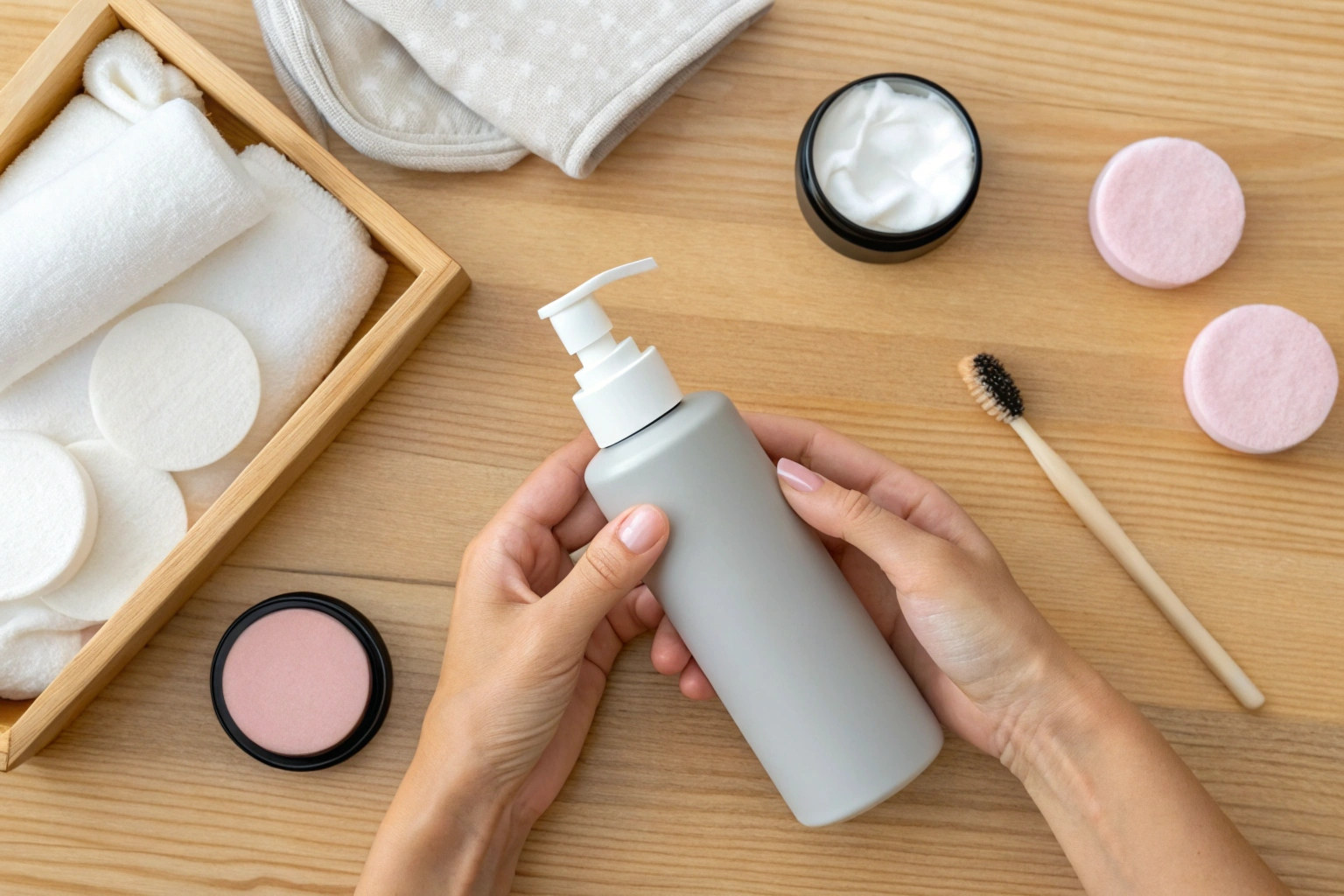

Step 1: Gentle Cleansing Without Disrupting the Barrier
Cleansing should remove impurities, excess oil and environmental residue without stripping the skin or leaving it feeling tight. Opt for a mild, soothing cleanser designed for sensitive or reactive skin. Avoid hot water, as this can worsen redness and irritation—lukewarm is ideal. If your skin feels particularly sensitive, cleansing once in the evening may be enough, with a simple rinse in the morning to maintain balance and comfort.
Step 2: Lightweight Hydration to Calm and Rebalance
After cleansing, apply a lightweight hydrating product while the skin is still slightly damp to maximise moisture retention. This step helps to immediately soothe tightness and reduce the likelihood of irritation throughout the day. Look for formulas containing gentle humectants and calming ingredients that support the skin without overwhelming it. Keeping this step simple ensures hydration is delivered effectively, helping the skin feel more comfortable, balanced and less reactive over time.
Step 3: Moisturising to Strengthen and Protect
Moisturiser plays a crucial role in reinforcing the skin barrier and locking in hydration. Choose a simple, fragrance-free formula that contains soothing and barrier-supporting ingredients. The texture should suit your skin’s needs—lighter during the day and slightly richer at night if required. Apply evenly without rubbing too vigorously, allowing the product to absorb naturally. Consistent moisturising helps reduce sensitivity over time and keeps the skin protected against environmental stressors and daily irritants.
Step 4: Daily Sun Protection for Reactive Skin Stability
Daily sun protection is essential for preventing flare-ups and maintaining overall skin stability. UV exposure can worsen redness and increase sensitivity, making SPF a non-negotiable step. Choose a sunscreen formulated for sensitive skin, ideally fragrance-free and lightweight. Apply generously as the final step in your morning routine, ensuring even coverage. Reapply if needed throughout the day, particularly with prolonged exposure, to keep the skin protected, calm and supported against environmental damage.
How to Build a Simple Skincare Routine Without Triggering Irritation
Introduce Products Slowly for Better Tolerance
When building a routine for reactive skin, introducing products gradually is essential. Adding multiple new products at once increases the risk of irritation and makes it difficult to identify the cause of any reaction. Instead, introduce one product at a time and allow at least one to two weeks before adding another. This measured approach gives your skin time to adjust and helps you confidently determine which products are supportive and well tolerated.
Patch Testing as a Preventative Step
Patch testing is a simple but highly effective way to reduce the risk of irritation. Before applying a new product to your face, test a small amount on an inconspicuous area, such as behind the ear or along the jawline. Leave it for 24 hours and monitor for any signs of redness, itching or discomfort. This precautionary step helps identify potential sensitivities early, preventing more widespread reactions and allowing you to make safer skincare choices.
Maintaining Consistency for Long-Term Results
Consistency is key when managing reactive skin. Frequently changing products or routines can disrupt the skin barrier and increase sensitivity over time. Sticking to a simple, reliable routine allows the skin to stabilise and become more resilient. Even if results feel gradual, maintaining the same gentle approach supports long-term improvement. By keeping your routine predictable and focused, you create an environment where your skin can remain calm, balanced and less reactive overall.
Daily Habits That Help Keep Reactive Skin Calm
Avoiding External Triggers Where Possible
External factors can play a significant role in triggering reactive skin, so minimising exposure where possible is key. Hot water, cold wind, central heating and friction from rough fabrics can all contribute to redness and irritation. Opt for lukewarm water when cleansing, protect your skin in harsh weather and choose soft, breathable materials that won’t aggravate sensitivity. Small environmental adjustments can make a noticeable difference in maintaining a calmer, more stable complexion day to day.
Keeping Skincare Application Gentle
How you apply your skincare products matters just as much as the products themselves. Reactive skin benefits from a light, careful touch, so avoid rubbing, pulling or over-massaging the skin. Instead, gently smooth or press products into the skin using your fingertips. This reduces unnecessary friction and helps prevent irritation. Taking a more mindful, delicate approach during application supports the skin barrier and ensures your routine remains as calming and effective as possible.
Supporting Skin Through Lifestyle Simplicity
Lifestyle consistency can help reinforce the benefits of a minimal skincare routine. Sudden changes in environment, stress levels or daily habits can influence how reactive your skin becomes. Keeping routines simple—such as maintaining regular sleep patterns, avoiding excessive heat exposure and sticking to familiar products—can help reduce variability in your skin’s behaviour. A steady, predictable lifestyle supports overall skin balance, making it easier to maintain a calm and comfortable complexion over time.
Conclusion
Managing reactive skin doesn’t require a complicated routine or an ever-growing collection of products. In fact, the opposite is often true. By focusing on a minimal skincare routine built around carefully chosen, soothing ingredients, you give your skin the space it needs to recover and rebalance.
Hydration, barrier support and calming ingredients should form the foundation of your approach. With consistency and simplicity, reactive skin can become more stable, more resilient and far more comfortable over time. Ultimately, achieving calm skin isn’t about doing more—it’s about doing the right things, consistently.