


Retinol
Retinol, a derivative of vitamin A, has been lauded as a transformative ingredient in the skincare industry for decades.
Known for its powerful anti-ageing and skin-renewing properties, retinol is a staple in many skincare routines aimed at achieving youthful and radiant skin.
WHAT IS RETINOL?
Retinol belongs to the family of retinoids, which are compounds derived from vitamin A. Retinoids include over-the-counter retinol, as well as prescription-strength variants. Retinol itself is a milder form and is widely available in various skincare products such as serums, creams, and oils.
Retinol works at a cellular level to promote skin renewal. It speeds up the rate at which skin cells turnover, shedding old, dull cells and making way for new, healthy ones. This process helps to unclog pores, making retinol effective in treating acne. Additionally, it stimulates collagen production, a key protein responsible for maintaining skin elasticity and firmness.
BENEFITS OF RETINOL
-
Anti-ageing: One of the most celebrated benefits of retinol is its ability to reduce the appearance of fine lines and wrinkles. By promoting collagen production and accelerating cell turnover, retinol helps to maintain the skin’s youthful structure and smooth texture.
-
Acne Treatment: Retinol is highly effective in treating acne. It prevents the formation of new acne by keeping pores clear and reducing inflammation. Over time, it also helps to fade acne scars and hyperpigmentation, resulting in a clearer complexion.
-
Skin Texture and Tone: Regular use of retinol can significantly improve skin texture and tone. It helps to even out pigmentation, reduce dark spots, and impart a more uniform, radiant glow to the skin.
-
Pore Minimisation: By preventing clogging and promoting healthy cell turnover, retinol helps to minimise the appearance of enlarged pores.
HOW TO USE RETINOL
Incorporating retinol into your skincare routine requires a gradual approach, especially for beginners. Here are some guidelines to follow:
-
Start Slow: Begin with a lower concentration of retinol (0.25% or 0.5%) to allow your skin to acclimate. Use it two to three times a week initially.
-
Apply at Night: Retinol can make your skin more sensitive to the sun. Therefore, it is best applied in the evening as part of your night-time skincare routine.
-
Use Sunscreen: During the day, always apply a broad-spectrum sunscreen with at least SPF 30. This is crucial to protect your skin from increased sensitivity to UV rays caused by retinol.
-
Moisturise: Retinol can be drying, so follow up with a good moisturiser to keep your skin hydrated.
POTENTIAL SIDE EFFECTS OF RETINOL
While retinol is highly effective, it can cause side effects, particularly when first introduced to the skin. Common issues include redness, dryness, and peeling. These effects are usually temporary and can be mitigated by starting with a lower concentration and gradually increasing it as your skin builds tolerance.
Individuals with sensitive skin or conditions like rosacea or eczema should approach retinol with caution. Consulting with a dermatologist before starting retinol is advisable to ensure it is suitable for your skin type and to receive personalised recommendations.
By understanding how to use retinol correctly and being mindful of its potential side effects, you can harness its full potential and enjoy healthier, more vibrant skin.
Retinol, a derivative of vitamin A, has been lauded as a transformative ingredient in the skincare industry for decades.
Known for its powerful anti-ageing and skin-renewing properties, retinol is a staple in many skincare routines aimed at achieving youthful and radiant skin.
WHAT IS RETINOL?
Retinol belongs to the family of retinoids, which are compounds derived from vitamin A. Retinoids include over-the-counter retinol, as well as prescription-strength variants. Retinol itself is a milder form and is widely available in various skincare products such as serums, creams, and oils.
Retinol works at a cellular level to promote skin renewal. It speeds up the rate at which skin cells turnover, shedding old, dull cells and making way for new, healthy ones. This process helps to unclog pores, making retinol effective in treating acne. Additionally, it stimulates collagen production, a key protein responsible for maintaining skin elasticity and firmness.
BENEFITS OF RETINOL
-
Anti-ageing: One of the most celebrated benefits of retinol is its ability to reduce the appearance of fine lines and wrinkles. By promoting collagen production and accelerating cell turnover, retinol helps to maintain the skin’s youthful structure and smooth texture.
-
Acne Treatment: Retinol is highly effective in treating acne. It prevents the formation of new acne by keeping pores clear and reducing inflammation. Over time, it also helps to fade acne scars and hyperpigmentation, resulting in a clearer complexion.
-
Skin Texture and Tone: Regular use of retinol can significantly improve skin texture and tone. It helps to even out pigmentation, reduce dark spots, and impart a more uniform, radiant glow to the skin.
-
Pore Minimisation: By preventing clogging and promoting healthy cell turnover, retinol helps to minimise the appearance of enlarged pores.
HOW TO USE RETINOL
Incorporating retinol into your skincare routine requires a gradual approach, especially for beginners. Here are some guidelines to follow:
-
Start Slow: Begin with a lower concentration of retinol (0.25% or 0.5%) to allow your skin to acclimate. Use it two to three times a week initially.
-
Apply at Night: Retinol can make your skin more sensitive to the sun. Therefore, it is best applied in the evening as part of your night-time skincare routine.
-
Use Sunscreen: During the day, always apply a broad-spectrum sunscreen with at least SPF 30. This is crucial to protect your skin from increased sensitivity to UV rays caused by retinol.
-
Moisturise: Retinol can be drying, so follow up with a good moisturiser to keep your skin hydrated.
POTENTIAL SIDE EFFECTS OF RETINOL
While retinol is highly effective, it can cause side effects, particularly when first introduced to the skin. Common issues include redness, dryness, and peeling. These effects are usually temporary and can be mitigated by starting with a lower concentration and gradually increasing it as your skin builds tolerance.
Individuals with sensitive skin or conditions like rosacea or eczema should approach retinol with caution. Consulting with a dermatologist before starting retinol is advisable to ensure it is suitable for your skin type and to receive personalised recommendations.
By understanding how to use retinol correctly and being mindful of its potential side effects, you can harness its full potential and enjoy healthier, more vibrant skin.
-
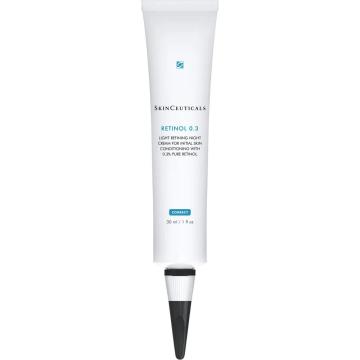 Out of stock
 -
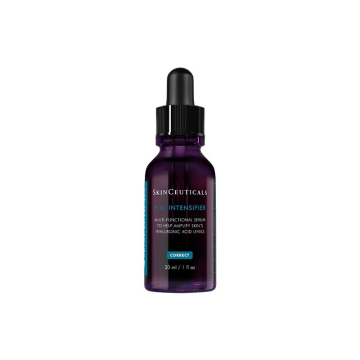 £99.00£120.00Out of stock
 -
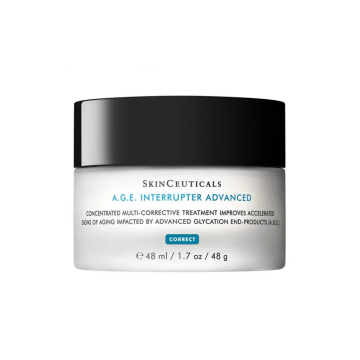 £131.00£175.00Out of stock
 -
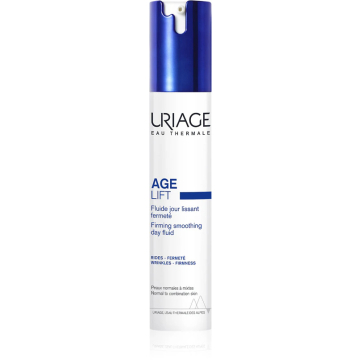 Out of stock
 -
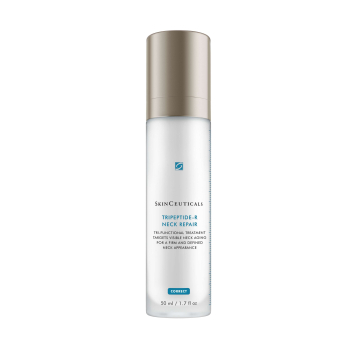 £93.10£133.00Out of stock
 -
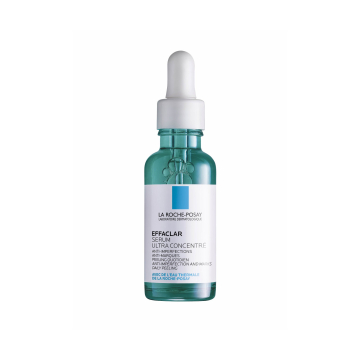 £22.40£40.00Out of stock


