


Niacinamide
Niacinamide, also known as Vitamin B3, has become a staple ingredient in the skincare world due to its versatile benefits for various skin concerns.
This water-soluble vitamin is renowned for its ability to address multiple skin issues, making it a favourite among skincare enthusiasts and dermatologists alike. Niacinamide is suitable for all skin types, including sensitive and acne-prone skin, and is often found in serums, moisturisers, and toners.
KEY BENEFITS OF NIACINAMIDE
One of the primary reasons niacinamide is so popular is its ability to improve the skin’s barrier function. The skin barrier is the outermost layer of the skin that protects against environmental aggressors such as pollutants, bacteria, and moisture loss. Niacinamide helps strengthen this barrier by increasing the production of ceramides, essential lipids that keep the skin hydrated and protected. This makes it particularly effective for those with dry or sensitive skin, as it helps to lock in moisture and prevent irritation.
Niacinamide is also known for its anti-inflammatory properties, which can help reduce redness, blotchiness, and swelling. This makes it a valuable ingredient for individuals dealing with conditions like rosacea, eczema, or acne. For acne-prone skin, niacinamide can regulate sebum (oil) production, helping to minimize breakouts and control shine. It can also help fade post-inflammatory hyperpigmentation or acne scars over time, leading to a more even skin tone.
ANTI-AGEING EFFECTS OF NIACINAMIDE
Niacinamide has been shown to provide anti-ageing benefits by stimulating collagen production, which helps improve skin elasticity and reduce the appearance of fine lines and wrinkles. As collagen diminishes with age, incorporating niacinamide into a skincare routine can help maintain a youthful complexion. Additionally, niacinamide offers antioxidant protection, neutralising free radicals that contribute to premature ageing and skin damage.
NIACINAMIDE FOR BRIGHTENING AND HYPERPIGMENTATION
Hyperpigmentation, such as dark spots, sun spots, and melasma, can be significantly improved with niacinamide. It works by inhibiting the transfer of melanin (pigment) within the skin, which can reduce the appearance of dark spots and uneven skin tone over time. When used consistently, niacinamide can lead to a brighter and more radiant complexion, making it an excellent option for those looking to address dull or uneven skin.
IS NIACINAMIDE COMPATIBLE WITH OTHER SKINCARE INGREDIENTS?
One of the unique qualities of niacinamide is its compatibility with a wide range of other skincare ingredients. It can be safely combined with retinoids, alpha and beta hydroxy acids (like glycolic acid or salicylic acid), peptides, and antioxidants such as Vitamin C. This makes it a versatile ingredient that can be easily incorporated into various skincare routines without causing irritation or reducing efficacy.
HOW TO INCORPORATE NIACINAMIDE INTO YOUR SKINCARE ROUTINE
Niacinamide can be used in the morning or evening, depending on your skincare needs. Start by introducing a product with a lower concentration (around 2-5%) and gradually increase as your skin builds tolerance. Serums are often the most potent form, but niacinamide can also be found in cleansers, toners, and moisturisers. For more information on how this versatile ingredient can transform your skncare routine, check out our blog.
Niacinamide is a multi-functional powerhouse ingredient that can benefit almost any skin type. Whether you’re dealing with acne, ageing, dryness, or hyperpigmentation, niacinamide provides a comprehensive solution for healthier, more balanced skin.
Niacinamide, also known as Vitamin B3, has become a staple ingredient in the skincare world due to its versatile benefits for various skin concerns.
This water-soluble vitamin is renowned for its ability to address multiple skin issues, making it a favourite among skincare enthusiasts and dermatologists alike. Niacinamide is suitable for all skin types, including sensitive and acne-prone skin, and is often found in serums, moisturisers, and toners.
KEY BENEFITS OF NIACINAMIDE
One of the primary reasons niacinamide is so popular is its ability to improve the skin’s barrier function. The skin barrier is the outermost layer of the skin that protects against environmental aggressors such as pollutants, bacteria, and moisture loss. Niacinamide helps strengthen this barrier by increasing the production of ceramides, essential lipids that keep the skin hydrated and protected. This makes it particularly effective for those with dry or sensitive skin, as it helps to lock in moisture and prevent irritation.
Niacinamide is also known for its anti-inflammatory properties, which can help reduce redness, blotchiness, and swelling. This makes it a valuable ingredient for individuals dealing with conditions like rosacea, eczema, or acne. For acne-prone skin, niacinamide can regulate sebum (oil) production, helping to minimize breakouts and control shine. It can also help fade post-inflammatory hyperpigmentation or acne scars over time, leading to a more even skin tone.
ANTI-AGEING EFFECTS OF NIACINAMIDE
Niacinamide has been shown to provide anti-ageing benefits by stimulating collagen production, which helps improve skin elasticity and reduce the appearance of fine lines and wrinkles. As collagen diminishes with age, incorporating niacinamide into a skincare routine can help maintain a youthful complexion. Additionally, niacinamide offers antioxidant protection, neutralising free radicals that contribute to premature ageing and skin damage.
NIACINAMIDE FOR BRIGHTENING AND HYPERPIGMENTATION
Hyperpigmentation, such as dark spots, sun spots, and melasma, can be significantly improved with niacinamide. It works by inhibiting the transfer of melanin (pigment) within the skin, which can reduce the appearance of dark spots and uneven skin tone over time. When used consistently, niacinamide can lead to a brighter and more radiant complexion, making it an excellent option for those looking to address dull or uneven skin.
IS NIACINAMIDE COMPATIBLE WITH OTHER SKINCARE INGREDIENTS?
One of the unique qualities of niacinamide is its compatibility with a wide range of other skincare ingredients. It can be safely combined with retinoids, alpha and beta hydroxy acids (like glycolic acid or salicylic acid), peptides, and antioxidants such as Vitamin C. This makes it a versatile ingredient that can be easily incorporated into various skincare routines without causing irritation or reducing efficacy.
HOW TO INCORPORATE NIACINAMIDE INTO YOUR SKINCARE ROUTINE
Niacinamide can be used in the morning or evening, depending on your skincare needs. Start by introducing a product with a lower concentration (around 2-5%) and gradually increase as your skin builds tolerance. Serums are often the most potent form, but niacinamide can also be found in cleansers, toners, and moisturisers. For more information on how this versatile ingredient can transform your skncare routine, check out our blog.
Niacinamide is a multi-functional powerhouse ingredient that can benefit almost any skin type. Whether you’re dealing with acne, ageing, dryness, or hyperpigmentation, niacinamide provides a comprehensive solution for healthier, more balanced skin.
-
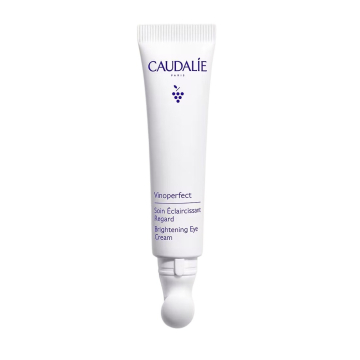 £22.40£32.00Out of stock
 -
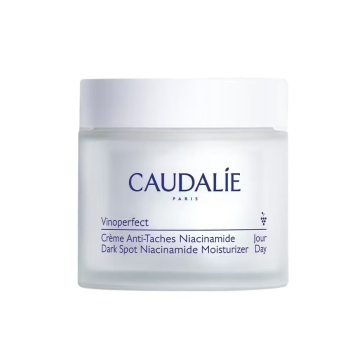 Out of stock
 -
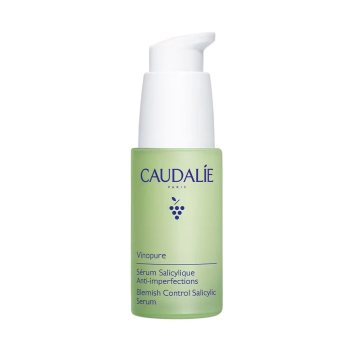 Out of stock
 -
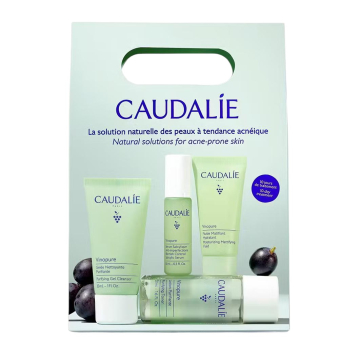 £16.10£23.00Out of stock
 -
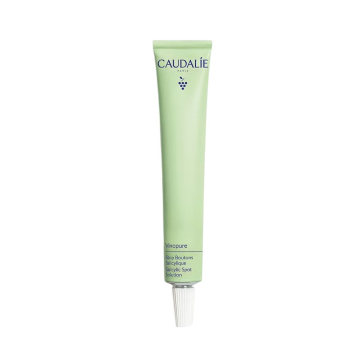 £9.80£14.00Out of stock
 -
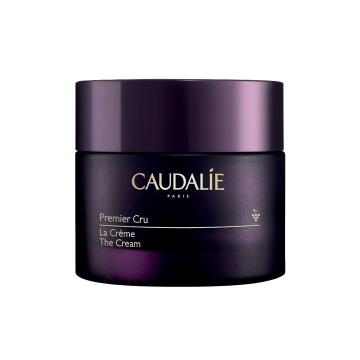 Out of stock


