


Hyaluronic Acid
Hyaluronic acid (HA) has emerged as a cornerstone in the skincare industry, celebrated for its unparalleled ability to hydrate and rejuvenate the skin.
This naturally occurring substance is critical in retaining moisture and maintaining the skin’s elasticity and firmness. Found abundantly in the skin, connective tissues, and eyes, HA’s primary role is to retain water, keeping tissues well-lubricated and moist.
WHAT IS HYALURONIC ACID?
Hyaluronic acid is a substance that our bodies produce naturally. Its capacity to hold up to 1,000 times its weight in water makes it essential for maintaining skin hydration. As we age, the natural production of HA decreases, leading to drier, less elastic skin. This decrease is a significant contributor to the visible signs of ageing, such as wrinkles and fine lines.
BENEFITS OF HYALURONIC ACID IN SKINCARE
The most celebrated benefit of hyaluronic acid is its remarkable ability to hydrate the skin. By drawing moisture from the environment and deeper skin layers into the outer skin layer, HA helps to keep the skin plump and hydrated. This hydration boost can significantly improve skin texture, reducing the appearance of fine lines and making the skin look more youthful.
Hyaluronic acid also plays a role in wound healing. When applied to the skin, it can speed up the healing process by regulating inflammation levels and signalling the body to build more blood vessels in the damaged area. This property makes it beneficial not only for everyday skincare but also for treating wounds, burns, and even skin ulcers.
TYPES OF HYALURONIC ACID
Hyaluronic acid used in skincare products comes in different forms, primarily varying by molecular weight. Low molecular weight HA can penetrate deeper into the skin, providing more intense hydration and reducing fine lines. High molecular weight HA sits on the skin's surface, creating a protective barrier that helps to lock in moisture.
Many skincare products now combine these different forms of HA to maximise their hydrating and anti-ageing benefits. This combination ensures that the skin is hydrated at multiple levels, from the surface down to the deeper layers.
INCORPORATING HYALURONIC ACID INTO YOUR SKINCARE ROUTINE
Hyaluronic acid is a versatile ingredient found in a wide array of skincare products, including serums, creams, masks, and even cleansers. To incorporate HA into a skincare routine effectively, it’s important to apply it to damp skin. This technique allows the HA to draw in and retain more moisture. Following up with a moisturiser can help seal in the hydration provided by the HA, ensuring longer-lasting effects.
While hyaluronic acid is generally considered safe and beneficial for all skin types, it is always advisable to patch-test new products to avoid potential allergic reactions. Those in extremely dry environments should be cautious, as HA might draw moisture from the deeper layers of the skin if there’s insufficient humidity in the air.
By understanding the properties of hyaluronic acid and how to use it effectively, individuals can greatly enhance their skincare routines, achieving plump, hydrated, and youthful-looking skin. As research continues, the applications and benefits of HA in skincare are likely to expand, solidifying its status as an indispensable component in skin health and beauty.
Hyaluronic acid (HA) has emerged as a cornerstone in the skincare industry, celebrated for its unparalleled ability to hydrate and rejuvenate the skin.
This naturally occurring substance is critical in retaining moisture and maintaining the skin’s elasticity and firmness. Found abundantly in the skin, connective tissues, and eyes, HA’s primary role is to retain water, keeping tissues well-lubricated and moist.
WHAT IS HYALURONIC ACID?
Hyaluronic acid is a substance that our bodies produce naturally. Its capacity to hold up to 1,000 times its weight in water makes it essential for maintaining skin hydration. As we age, the natural production of HA decreases, leading to drier, less elastic skin. This decrease is a significant contributor to the visible signs of ageing, such as wrinkles and fine lines.
BENEFITS OF HYALURONIC ACID IN SKINCARE
The most celebrated benefit of hyaluronic acid is its remarkable ability to hydrate the skin. By drawing moisture from the environment and deeper skin layers into the outer skin layer, HA helps to keep the skin plump and hydrated. This hydration boost can significantly improve skin texture, reducing the appearance of fine lines and making the skin look more youthful.
Hyaluronic acid also plays a role in wound healing. When applied to the skin, it can speed up the healing process by regulating inflammation levels and signalling the body to build more blood vessels in the damaged area. This property makes it beneficial not only for everyday skincare but also for treating wounds, burns, and even skin ulcers.
TYPES OF HYALURONIC ACID
Hyaluronic acid used in skincare products comes in different forms, primarily varying by molecular weight. Low molecular weight HA can penetrate deeper into the skin, providing more intense hydration and reducing fine lines. High molecular weight HA sits on the skin's surface, creating a protective barrier that helps to lock in moisture.
Many skincare products now combine these different forms of HA to maximise their hydrating and anti-ageing benefits. This combination ensures that the skin is hydrated at multiple levels, from the surface down to the deeper layers.
INCORPORATING HYALURONIC ACID INTO YOUR SKINCARE ROUTINE
Hyaluronic acid is a versatile ingredient found in a wide array of skincare products, including serums, creams, masks, and even cleansers. To incorporate HA into a skincare routine effectively, it’s important to apply it to damp skin. This technique allows the HA to draw in and retain more moisture. Following up with a moisturiser can help seal in the hydration provided by the HA, ensuring longer-lasting effects.
While hyaluronic acid is generally considered safe and beneficial for all skin types, it is always advisable to patch-test new products to avoid potential allergic reactions. Those in extremely dry environments should be cautious, as HA might draw moisture from the deeper layers of the skin if there’s insufficient humidity in the air.
By understanding the properties of hyaluronic acid and how to use it effectively, individuals can greatly enhance their skincare routines, achieving plump, hydrated, and youthful-looking skin. As research continues, the applications and benefits of HA in skincare are likely to expand, solidifying its status as an indispensable component in skin health and beauty.
-
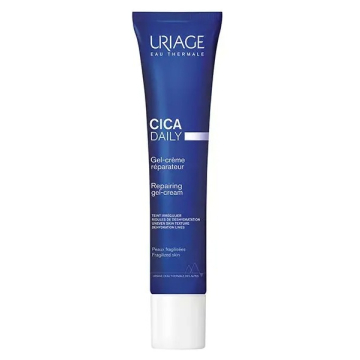 Out of stock
 -
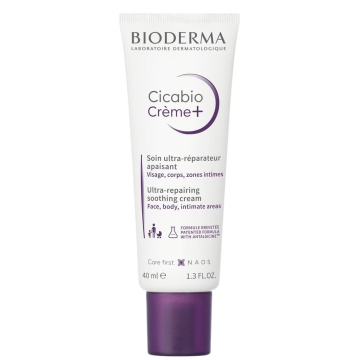 £7.00£10.00Out of stock
 -
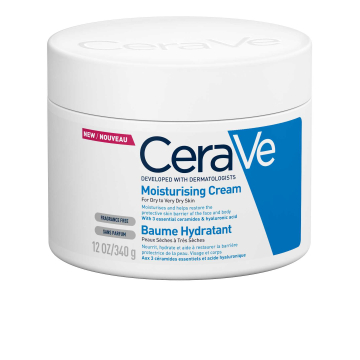 £8.68£15.50Out of stock
 -
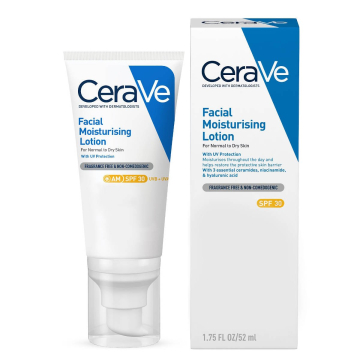 £9.24£16.50Out of stock
 -
 Out of stock
 -
 Out of stock
 -
 Out of stock
 -
 £7.00£10.00Out of stock


