


Eczema
Body eczema, also known as atopic dermatitis, is a common skin condition that affects millions of people worldwide.
Characterised by red, itchy, and inflamed patches of skin, eczema can occur anywhere on the body, making it uncomfortable and sometimes even painful. Living with body eczema requires a specialised skincare approach tailored to soothe the skin, reduce flare-ups, and restore the skin's natural barrier function. A consistent skincare routine, using products formulated for sensitive and eczema-prone skin, can significantly improve the condition and overall skin health. The key is to focus on gentle, hydrating, and barrier-repairing products while avoiding harsh ingredients that can aggravate the skin.
HYDRATION AND MOISTURISATION: ESSENTIAL STEPS FOR ECZEMA CARE
One of the most important steps in managing body eczema is keeping the skin well-hydrated. Moisturising is crucial because it helps lock in moisture, restores the skin barrier, and reduces the likelihood of flare-ups. Choose moisturisers that are specifically designed for eczema-prone skin, which are usually free from fragrances, dyes, and other potential irritants. Look for ingredients like ceramides, glycerin, and hyaluronic acid, which help to attract and retain moisture, and colloidal oatmeal, which has soothing and anti-inflammatory properties. It is essential to moisturise immediately after bathing, while the skin is still damp, to maximize hydration.
GENTLE CLEANSING AND AVOIDANCE OF TRIGGERS
Cleansing is another vital component of skincare for body eczema, but it must be done carefully to avoid irritating the skin further. Choose mild, fragrance-free cleansers or body washes specifically formulated for sensitive skin. Avoid soaps with harsh chemicals, sulfates, or alcohol, as these can strip the skin of its natural oils, exacerbating dryness and irritation. Opt for cleansers that contain soothing ingredients, such as aloe vera, chamomile, or calendula, which help calm inflammation and support the skin's natural healing process.
Bathing should be limited to short, lukewarm showers or baths, as hot water can further dry out the skin. After bathing, gently pat the skin dry with a soft towel, rather than rubbing, to avoid causing friction and irritation. It is also essential to identify and avoid personal triggers that may worsen eczema, such as certain fabrics, detergents, or stress. Keeping a diary to track flare-ups can help identify patterns and avoid potential irritants.
SPECIALISED TREATMENTS AND SUN PROTECTION
In addition to daily moisturisation and gentle cleansing, specialized treatments may be necessary to manage body eczema effectively. Topical corticosteroids or non-steroidal anti-inflammatory creams can help control flare-ups and reduce inflammation. For severe or persistent cases, consulting a dermatologist may be necessary to explore stronger prescription options or light therapy treatments.
Sun protection is also a crucial part of eczema skincare, as UV exposure can worsen symptoms and increase skin sensitivity. Choose a sunscreen that is gentle, hypoallergenic, and free from common irritants like fragrances or parabens. Mineral sunscreens containing zinc oxide or titanium dioxide are often recommended for eczema-prone skin, as they provide effective protection without causing irritation.
By adopting a consistent skincare routine and using products designed for sensitive skin, individuals with body eczema can help manage their symptoms, reduce flare-ups, and maintain healthier skin.
Body eczema, also known as atopic dermatitis, is a common skin condition that affects millions of people worldwide.
Characterised by red, itchy, and inflamed patches of skin, eczema can occur anywhere on the body, making it uncomfortable and sometimes even painful. Living with body eczema requires a specialised skincare approach tailored to soothe the skin, reduce flare-ups, and restore the skin's natural barrier function. A consistent skincare routine, using products formulated for sensitive and eczema-prone skin, can significantly improve the condition and overall skin health. The key is to focus on gentle, hydrating, and barrier-repairing products while avoiding harsh ingredients that can aggravate the skin.
HYDRATION AND MOISTURISATION: ESSENTIAL STEPS FOR ECZEMA CARE
One of the most important steps in managing body eczema is keeping the skin well-hydrated. Moisturising is crucial because it helps lock in moisture, restores the skin barrier, and reduces the likelihood of flare-ups. Choose moisturisers that are specifically designed for eczema-prone skin, which are usually free from fragrances, dyes, and other potential irritants. Look for ingredients like ceramides, glycerin, and hyaluronic acid, which help to attract and retain moisture, and colloidal oatmeal, which has soothing and anti-inflammatory properties. It is essential to moisturise immediately after bathing, while the skin is still damp, to maximize hydration.
GENTLE CLEANSING AND AVOIDANCE OF TRIGGERS
Cleansing is another vital component of skincare for body eczema, but it must be done carefully to avoid irritating the skin further. Choose mild, fragrance-free cleansers or body washes specifically formulated for sensitive skin. Avoid soaps with harsh chemicals, sulfates, or alcohol, as these can strip the skin of its natural oils, exacerbating dryness and irritation. Opt for cleansers that contain soothing ingredients, such as aloe vera, chamomile, or calendula, which help calm inflammation and support the skin's natural healing process.
Bathing should be limited to short, lukewarm showers or baths, as hot water can further dry out the skin. After bathing, gently pat the skin dry with a soft towel, rather than rubbing, to avoid causing friction and irritation. It is also essential to identify and avoid personal triggers that may worsen eczema, such as certain fabrics, detergents, or stress. Keeping a diary to track flare-ups can help identify patterns and avoid potential irritants.
SPECIALISED TREATMENTS AND SUN PROTECTION
In addition to daily moisturisation and gentle cleansing, specialized treatments may be necessary to manage body eczema effectively. Topical corticosteroids or non-steroidal anti-inflammatory creams can help control flare-ups and reduce inflammation. For severe or persistent cases, consulting a dermatologist may be necessary to explore stronger prescription options or light therapy treatments.
Sun protection is also a crucial part of eczema skincare, as UV exposure can worsen symptoms and increase skin sensitivity. Choose a sunscreen that is gentle, hypoallergenic, and free from common irritants like fragrances or parabens. Mineral sunscreens containing zinc oxide or titanium dioxide are often recommended for eczema-prone skin, as they provide effective protection without causing irritation.
By adopting a consistent skincare routine and using products designed for sensitive skin, individuals with body eczema can help manage their symptoms, reduce flare-ups, and maintain healthier skin.
-
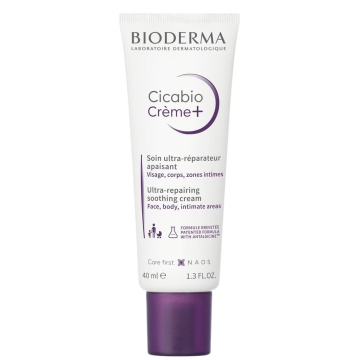 £7.00£10.00Out of stock

