


Modern life places relentless demands on mental and physical resilience. Long working hours, digital connectivity, and daily pressures contribute to chronic stress, poor sleep, and persistent fatigue – three interconnected issues that profoundly affect quality of life. In response, many individuals are turning to natural approaches that support the body's innate stress-response systems.
Ashwagandha, an ancient adaptogenic herb with a three-thousand-year history in Ayurvedic medicine, has emerged as one of the most researched and widely used botanicals for stress, sleep, and energy support. This guide provides an evidence-informed, balanced overview of ashwagandha's potential benefits, practical guidance on dosage and supplementation forms, and essential safety considerations.
What Is Ashwagandha? Understanding This Adaptogenic Herb
Botanical Origins and Traditional Use of Ashwagandha
Ashwagandha (Withania somnifera) is a small evergreen shrub native to India, the Middle East, and parts of Africa. Its name translates from Sanskrit as 'smell of a horse', referring both to the odour of its root and the traditional belief that it imparts the strength and vitality of a stallion. In Ayurveda – India's traditional system of medicine – ashwagandha is classified as a 'rasayana', a rejuvenative tonic intended to promote longevity, vitality, and resilience against disease.
The leaves, roots, and berries have all been used medicinally, but the root is the most common source of modern supplements. Unlike many herbs that target a single symptom, ashwagandha has been traditionally used for a wide range of conditions, including nervous exhaustion, insomnia, fatigue, and general debility.
How Ashwagandha Works in the Body: The Adaptogen Mechanism
Adaptogens work by modulating the HPA axis, the body's central stress response system. When you encounter a stressor, the hypothalamus releases corticotropin-releasing hormone (CRH), which signals the pituitary gland to release adrenocorticotropic hormone (ACTH). ACTH then travels to the adrenal glands, triggering the release of cortisol.
This cascade is essential for survival, but when stress becomes chronic, cortisol levels remain persistently elevated, contributing to anxiety, poor sleep, fatigue, immune suppression, and metabolic disturbances. Ashwagandha appears to reduce cortisol levels by modulating HPA axis activity, helping the body return to homeostasis after a stressor.
Unlike pharmaceutical sedatives or stimulants, adaptogens are 'non-specific' in their action – they support physiological resilience rather than forcing a particular response.
Key Bioactive Compounds: Withanolides and Their Effects
The primary bioactive compounds in ashwagandha are withanolides, a group of steroidal lactones. Different withanolides – including withaferin A, withanolide D, and withanone – have distinct pharmacological activities. These include anti-inflammatory effects, neuroprotection (protection of nerve cells from damage), and anxiolytic (anti-anxiety) properties.
The concentration of withanolides varies significantly between products, and standardised extracts (typically 2.5% to 10% withanolides) are generally preferred for research and clinical use. When selecting a supplement, check the label for withanolide percentage or standardisation information; products that do not specify this may contain negligible levels of active compounds.
Ashwagandha for Stress Management – Evidence and Mechanisms
The Cortisol-Lowering Effect: Clinical Research Findings
Cortisol is the body's primary stress hormone, released by the adrenal glands in response to physical or psychological challenges. While acute cortisol elevation is normal and necessary, chronically elevated cortisol contributes to anxiety, weight gain, insomnia, and immune suppression. A 2019 scientific study showed that participants taking 300mg of ashwagandha root extract twice daily for eight weeks experienced significant reductions in serum cortisol levels compared to the placebo group, suggesting that ashwagandha's stress-reducing effects are mediated, at least in part, through cortisol modulation.
Who May Benefit Most From Ashwagandha for Stress
Ashwagandha may be particularly beneficial for the following groups:
- Individuals with mild-to-moderate perceived stress related to work, study, or daily pressures.
- Those experiencing work-related burnout, characterised by exhaustion, cynicism, and reduced performance.
- People with stress-related fatigue who feel drained despite adequate rest.
- Individuals who have tried lifestyle modifications (sleep, exercise, diet) but continue to experience stress symptoms.
It is important to note that ashwagandha is not a substitute for medical treatment in diagnosed anxiety disorders such as generalised anxiety disorder or panic disorder, though it may have adjunctive roles under professional guidance. If stress or anxiety is significantly impacting daily function, consult a GP or mental health professional.
Ashwagandha for Restful Sleep – Promoting Deeper, More Restorative Rest
The Relationship Between Cortisol and Sleep Quality
Cortisol follows a natural circadian rhythm: levels are highest in the early morning, promoting wakefulness and alertness, and lowest at night, facilitating sleep onset and maintenance. Chronic stress disrupts this rhythm, leading to elevated nocturnal cortisol that interferes with both falling asleep and staying asleep. Individuals with high evening cortisol often report racing thoughts at bedtime, difficulty settling, and frequent nighttime awakenings. By lowering cortisol levels, particularly in the evening, ashwagandha may help restore a healthier cortisol rhythm and support more restful, uninterrupted sleep.
Ashwagandha Compared to Traditional Sleep Aids
Ashwagandha is not a sedative in the traditional sense. It does not force sleep through GABA receptor modulation but rather supports the physiological conditions that allow natural sleep to occur. This distinction has several practical implications:
- Lower risk of dependence and withdrawal symptoms compared to pharmaceutical sleep aids.
- Reduced likelihood of next-day grogginess, cognitive impairment, or 'hangover' effects.
- Minimal risk of tolerance (needing higher doses over time to achieve the same effect).
However, the effect size of ashwagandha is more modest than prescription medications, and it is most appropriate for stress-related sleep disturbance rather than primary insomnia disorders. Individuals with chronic insomnia should consult a GP before relying on herbal supplements as primary treatment.
Ashwagandha for Energy – Combating Fatigue Without Stimulation
Distinguishing Adaptogenic Energy From Caffeine Stimulation
Most energy supplements rely on stimulants such as caffeine, which provide a temporary boost followed by a 'crash' and do nothing to address underlying fatigue. Ashwagandha's energy-enhancing effects are fundamentally different. It supports adrenal function, reduces stress-related fatigue, and improves mitochondrial function (cellular energy production). Users typically report sustained, calm energy rather than the jittery, anxious feeling associated with high caffeine intake. This makes ashwagandha particularly suitable for individuals who find stimulants overstimulating or who experience afternoon energy slumps without an identifiable cause.
Chronic Fatigue and Burnout – Is Ashwagandha Appropriate?
Burnout is defined as a state of emotional, physical, and mental exhaustion caused by prolonged stress, often accompanied by reduced performance and feelings of cynicism. Early research suggests ashwagandha may improve symptoms of burnout, including fatigue, poor concentration, and low motivation. However, individuals with chronic fatigue syndrome (ME/CFS) or long-term burnout should not rely solely on ashwagandha; comprehensive medical evaluation and multidisciplinary management are essential. Ashwagandha is best viewed as a supportive tool for stress-related low energy, not a treatment for undiagnosed fatigue conditions.
Choosing the Right Ashwagandha Supplement: Forms, Dosage and Quality
Root Powder vs Extract – Which Form Is Best?
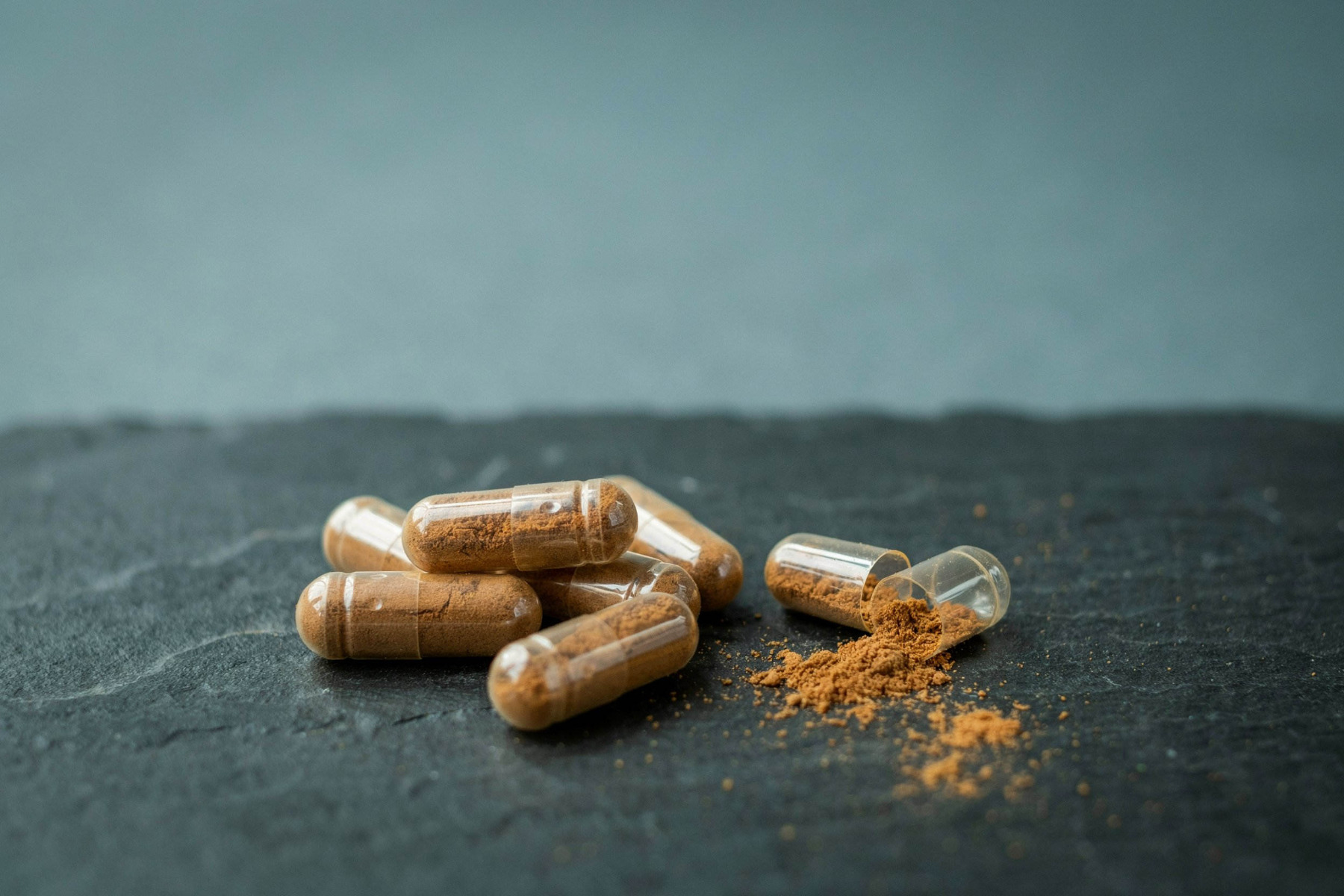

Ashwagandha supplements are available in two main forms, each with distinct advantages and disadvantages:
- Dried root powder: The most affordable but least potent option. Typical doses are 1,000–3,000mg daily, and quality varies considerably between brands. Some powders contain significant amounts of inert plant material.
- Standardised extract: The most research-supported form. Withanolide content is measured and consistent (typically 2.5–10%). Examples include branded extracts such as KSM-66 (root-only) and Sensoril (root-and-leaf), both used in multiple clinical trials.
For most individuals seeking predictable, evidence-based effects, a standardised extract is the preferred choice.
Recommended Ashwagandha Dosage for Different Goals
Dosage recommendations vary depending on the intended outcome:
- For stress and general wellbeing: 250–300mg of a standardised extract (2.5–5% withanolides) twice daily, taken with food.
- For sleep support: 300–600mg of extract taken as a single dose 30–60 minutes before bedtime.
- For energy and physical performance: 300–600mg daily, divided into morning and evening doses.
Some studies use higher doses (up to 1,000mg daily), but most individuals see benefits at lower doses with fewer side effects. Start with the lowest effective dose and increase gradually based on tolerance and response.
What to Look for on Supplement Labels – Quality Indicators
When selecting an ashwagandha product, look for the following quality markers:
- Standardised withanolide percentage (2.5% minimum; 5–10% preferred).
- Third-party testing seals (e.g., USP, NSF, or independent lab verification such as ConsumerLab).
- Clear indication of root-only or root-and-leaf (root-only is traditional; root-and-leaf may have different withanolide profiles).
- No unnecessary fillers, artificial colours, or preservatives.
- Transparent labelling of extract ratio (e.g., 10:1 extract means 10kg of raw herb yields 1kg of extract).
Well-known branded extracts such as KSM-66 and Sensoril have been used in multiple clinical trials, offering greater confidence in efficacy and quality.
Safety Considerations and Potential Side Effects
Ashwagandha is generally well-tolerated, but side effects can occur, particularly at higher doses. Common side effects include:
- Gastrointestinal upset (nausea, diarrhoea, stomach pain), which often resolves with continued use or taking capsules with food.
- Drowsiness or sedation, particularly at higher doses or when taken in the morning.
- Headache, typically mild and transient.
These effects are usually dose-dependent and often resolve with dose reduction. Discontinue use and consult a GP if side effects are persistent or severe.
Ashwagandha Contraindications – Who Should Avoid It
Certain populations should avoid ashwagandha or use it only under medical supervision:
- Pregnant or breastfeeding women (ashwagandha may have abortifacient effects in high doses; safety during pregnancy has not been established).
- Individuals with hyperthyroidism or taking thyroid medication (ashwagandha may increase thyroid hormone levels).
- Those with autoimmune conditions (e.g., rheumatoid arthritis, lupus, Hashimoto's thyroiditis) due to potential immunomodulatory effects.
- Individuals taking sedatives, benzodiazepines, or alcohol (additive sedative effects).
- Those scheduled for surgery within two weeks (ashwagandha may affect the central nervous system and blood pressure control).
This list is not exhaustive; a full medication and medical history should be reviewed with a healthcare professional.
Drug Interactions to Be Aware Of
Ashwagandha may interact with several classes of medications. Key interactions include:
- Thyroid hormone replacement (levothyroxine): Ashwagandha may increase thyroid hormone levels, potentially requiring dose adjustment.
- Sedatives and anxiolytics (benzodiazepines, barbiturates): Additive sedative effects, which may cause excessive drowsiness or impaired coordination.
- Immunosuppressants (for autoimmune disease or transplant recipients): Ashwagandha's immunostimulatory effects may counteract immunosuppressive therapy.
- Blood pressure medications: Ashwagandha may lower blood pressure, potentially causing hypotension (excessively low blood pressure) when combined with antihypertensives.
- Diabetes medications: Ashwagandha may lower blood sugar, increasing the risk of hypoglycaemia (dangerously low blood sugar).
Anyone taking regular medications should consult their GP or pharmacist before starting ashwagandha.
How to Incorporate Ashwagandha Into Your Daily Routine
When to Take Ashwagandha: Morning, Evening or Both?
Dosing schedules should be aligned with your primary goal:
- For stress management and energy: Take a morning dose with breakfast and an afternoon dose with lunch.
- For sleep support: Take a single dose 30–60 minutes before bedtime.
- For general wellbeing: Either morning or evening is acceptable; consistency matters more than timing.
Some individuals find ashwagandha mildly sedating even at morning doses; if this occurs, switch to evening-only dosing.
How Long Does Ashwagandha Take to Work?
Ashwagandha is not a fast-acting supplement. Most users do not feel immediate effects. Noticeable benefits typically emerge after two to four weeks of consistent daily use, with maximal effects at eight to twelve weeks. Avoid 'cycle loading' (taking high doses intermittently); adaptogens generally work best with continuous, steady dosing. A trial period of at least eight weeks is recommended before deciding whether ashwagandha is effective for you.
Cycling Ashwagandha – Is It Necessary?
The evidence for cycling ashwagandha specifically is limited. Some herbalists recommend taking a one- to two-week break every two to three months to prevent tolerance. However, unlike pharmaceutical sedatives or stimulants, true tolerance to adaptogens is rare. If you find ashwagandha becoming less effective over time, a two-week break may restore sensitivity.
Ashwagandha in Context – Complementary Lifestyle Factors
No supplement, including ashwagandha, can compensate for poor foundational health habits. For optimal results, integrate ashwagandha with the following lifestyle factors:
- Consistent sleep schedule (waking and sleeping at the same time daily, even on weekends).
- Regular physical activity (a combination of aerobic exercise and resistance training).
- Balanced nutrition with adequate protein, healthy fats, and complex carbohydrates.
- Stress management techniques (mindfulness, deep breathing, or therapy such as cognitive behavioural therapy).
- Limiting caffeine, alcohol, and screen time before bed.
Ashwagandha is one tool within a broader self-care strategy, not a standalone solution.
Conclusion
Ashwagandha has earned its reputation as one of the most widely studied adaptogenic herbs for supporting stress management, restorative sleep, and sustained energy. By helping the body regulate its stress response and maintain balance, it may offer meaningful benefits for individuals dealing with the pressures of modern life. However, like any supplement, its effectiveness depends on factors such as product quality, appropriate dosing, individual health status, and consistency of use.
While the current evidence is encouraging, ashwagandha is not a cure-all and should be approached as part of a broader wellbeing strategy. If you are considering adding ashwagandha to your routine, take the time to choose a high-quality product and speak with a healthcare professional if you have any underlying conditions or take medication. Start your journey toward greater resilience and wellbeing by making informed, evidence-based choices today.